
Reno (river) — from the Northern Apennines across Emilia-Romagna to the Adriatic
The Reno is a major river in northeastern Italy, originating in the Northern Apennines in Tuscany and running across the Po plain through Emilia‑Romagna toward the Adriatic Sea.
Overview
The Reno (Latin: Rhenus) is a river of northeastern Italy that rises in the Northern Apennines and flows generally north‑east across the Po plain toward the Adriatic Sea. Its headwaters lie in the Apennine highlands of Tuscany and the river then traverses much of the Emilia‑Romagna region before reaching the plain. The geographic position of its source is recorded at coordinates.
Image gallery
5 Images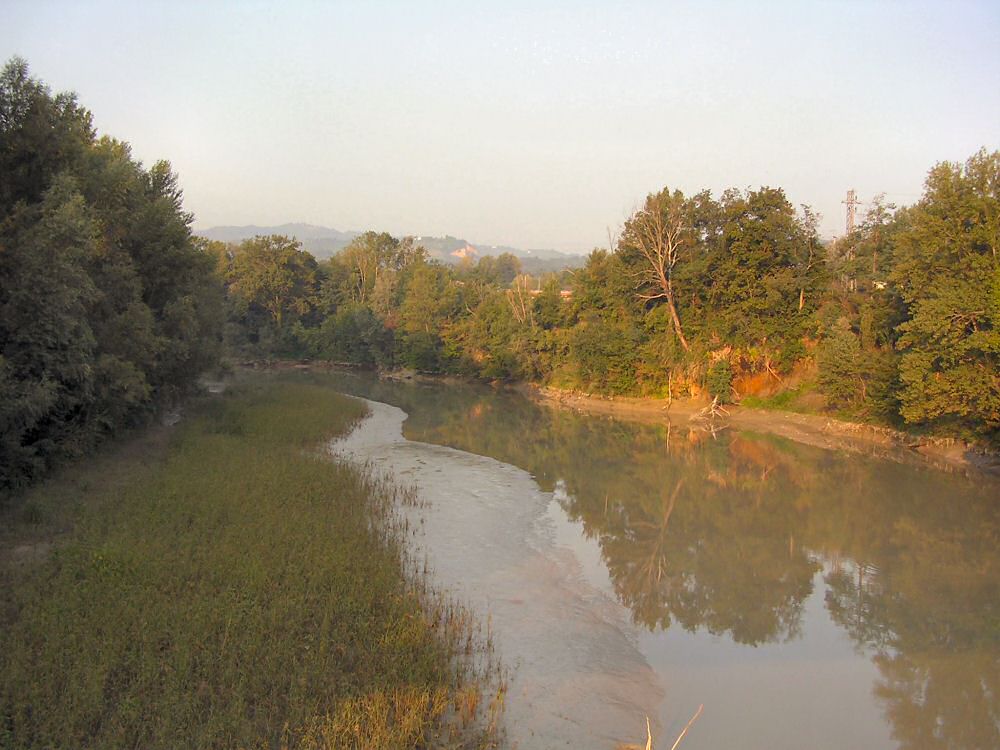


Physical characteristics
The Reno drains upland slopes of the Apennines and continues over an alluvial, low‑lying plain. In its upper reaches it behaves like a mountain stream with steeper gradients and coarser bed material; downstream it becomes braided and more prone to channel shifts across the flat valley. Seasonal variability is marked: higher discharges in late winter and spring, reduced flows during dry summer months.
Course and context
The river begins in the Northern Apennines and flows out of the hills of Tuscany into the broader lowlands of Emilia‑Romagna. Along its course it passes near several towns whose names reference the river and it contributes to the hydrographic network of northeastern Italy. Historically and today the Reno is an important part of the regional drainage and has been subject to engineering works to regulate floods and direct its outflow to the Adriatic.
Uses and ecological importance
The Reno’s waters support irrigation for agriculture across the fertile Po plain and have been harnessed for localized water supply and small‑scale industry. Riparian corridors and floodplain wetlands along the lower stretches provide habitat for birds and aquatic life. Modern management balances agricultural needs, flood protection and habitat conservation with occasional initiatives to restore natural river features.
History and notable facts
Known in Latin as Rhenus, the Reno has been recognized since antiquity as a regional watercourse distinct from the larger central and northern Italian rivers. Over centuries its course and outlets have been altered by sedimentation and human engineering to reduce flood risk and reclaim land for cultivation. It remains one of the longer Italian rivers and an important element of northeastern Italian geography.
Further reading
Questions and answers
Q: Where does the Reno river start?
A: The Reno river starts in the Northern Apennines mountain range in Tuscany.
Q: Through which region does the Reno river mainly flow?
A: The Reno river mainly flows through the Emilia-Romagna region.
Q: What is the Latin name for the Reno river?
A: The Latin name for the Reno river is Rhenus.
Q: What are the coordinates for the Reno river?
A: The coordinates for the Reno river are 44°35′47″N 12°16′49″E / 44.59639°N 12.28028°E / 44.59639; 12.28028.
Q: Is the Reno river one of the longest rivers in Italy?
A: Yes, the Reno river is one of the longest rivers in Italy.
Q: What kind of geographic feature is the Northern Apennines mountain range?
A: The Northern Apennines mountain range is a mountain range.
Q: In which country is the Reno river located?
A: The Reno river is located in northeastern Italy.
Related articles
Author
AlegsaOnline.com Reno (river) — from the Northern Apennines across Emilia-Romagna to the Adriatic Leandro Alegsa
URL: https://en.alegsaonline.com/art/82172
Sources
- treccani.it : "Reno"
- prolocogalliera.it : "Note storico-geografiche sul fiume Reno"