
Badajoz, provincial capital on the Guadiana in Extremadura, Spain
City in western Spain, capital of Badajoz province in Extremadura; a historic fortified city on the Guadiana River near the Portuguese border, noted for its Alcazaba and its role in the Peninsular War.
Badajoz is the largest city and administrative centre of the Province of Badajoz in western Spain. It is the capital of the province and an important urban hub for the autonomous community of Extremadura. In local speech the city is also known by its Extremaduran form Baajós. Located on the banks of the Guadiana River and close to the Portuguese frontier, Badajoz has long combined strategic military importance with local commercial, administrative and agricultural roles.
Image gallery
10 Images



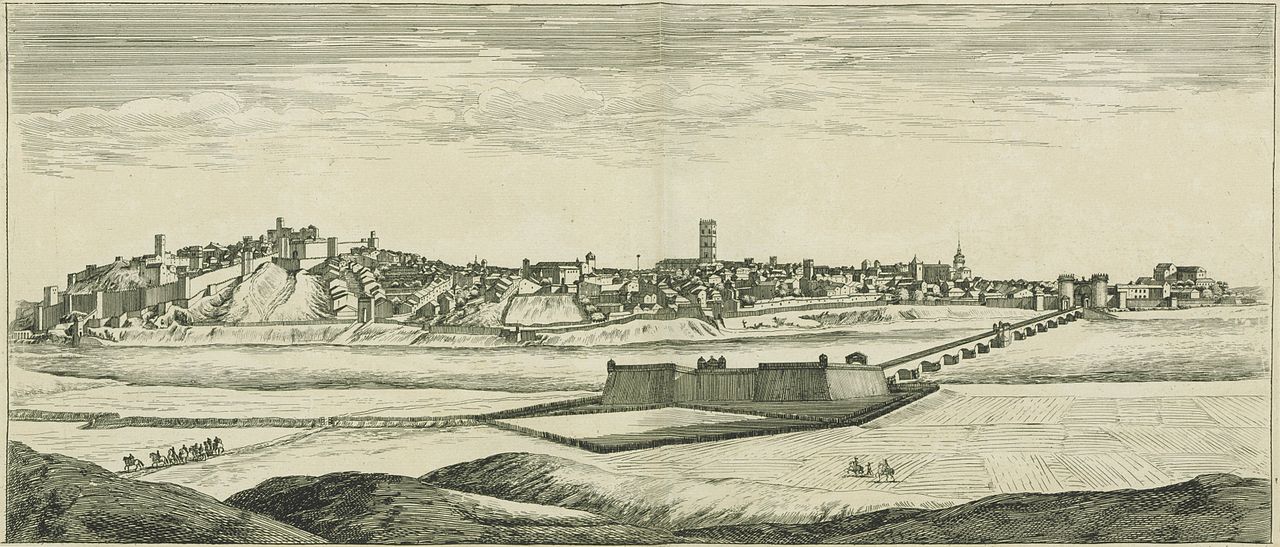


Geography and population
Badajoz lies on relatively flat terrain beside the Guadiana and is linked by road and rail to other regional centres. Its climate is Mediterranean with a continental influence: hot, dry summers and cool winters. The municipality serves a broad rural hinterland where cereals, olives and livestock farming remain significant; the city itself provides services, education and light industry to the surrounding area. The city had roughly 150,000 inhabitants in the early 2010s and functions as the main demographic and economic centre of the Badajoz Province.
History and military significance
Badajoz has a long recorded history dating back to medieval Islamic rule when the settlement grew into a fortified town. It later became the seat of a taifa (an independent Muslim principality) and passed through the hands of Christian and Muslim rulers during the Reconquista. From the medieval era into modern times the city was valued for its fortress and city walls. Badajoz is especially noted for its role in the Peninsular War: the town was besieged and stormed in a bloody 1812 assault by British forces under the Duke of Wellington against a French garrison, an episode that left a deep imprint on local memory and military history.
Landmarks and culture
- Alcazaba of Badajoz — the large Moorish citadel and surviving defensive works overlooking the river.
- Puente de Palmas — a historic bridge crossing the Guadiana with medieval and later repairs and a prominent place in the cityscape.
- Cathedral of San Juan Bautista — combining Gothic and later architectural elements in the historic centre.
- Plaza Alta and museums — lively squares, municipal museums and cultural institutions that reflect regional traditions and crafts.
Economy, transport and cross-border ties
Today Badajoz operates as a regional service centre: public administration, education including a campus of the regional university, retail and health services are prominent employers. Its proximity to Portugal — including the nearby Portuguese town of Elvas — fosters commercial links and daily commuting, creating a bicultural border area. Transport connections include regional roads, rail services and bridges over the Guadiana that have long shaped Badajoz's role as a link between Spain and Portugal.
For further administrative and cultural context see the city entry within the autonomous community resources and provincial overviews at the regional portals: Extremadura information pages and provincial references provide broader background on Badajoz's place in the history and economy of the region.
Related articles
Author
AlegsaOnline.com Badajoz, provincial capital on the Guadiana in Extremadura, Spain Leandro Alegsa
URL: https://en.alegsaonline.com/art/8204
Sources
- hoy.es : "Cinco ciudades hermanas"