
Region of Murcia, Spain
Autonomous community in southeast Spain centered on the city of Murcia. Noted for its Mediterranean coast, agriculture, historical port city Cartagena, and a mix of coastal tourism and inland industry.
Overview
The Region of Murcia is an autonomous community in southeast Spain. It is a relatively compact region with a population of roughly 1.35 million people; the capital and largest city is Murcia, home to around 410,000 residents. The territory blends coastal zones, fertile plains and arid uplands, giving it distinct economic and cultural profiles within Spain.
Image gallery
10 Images


Geography and climate
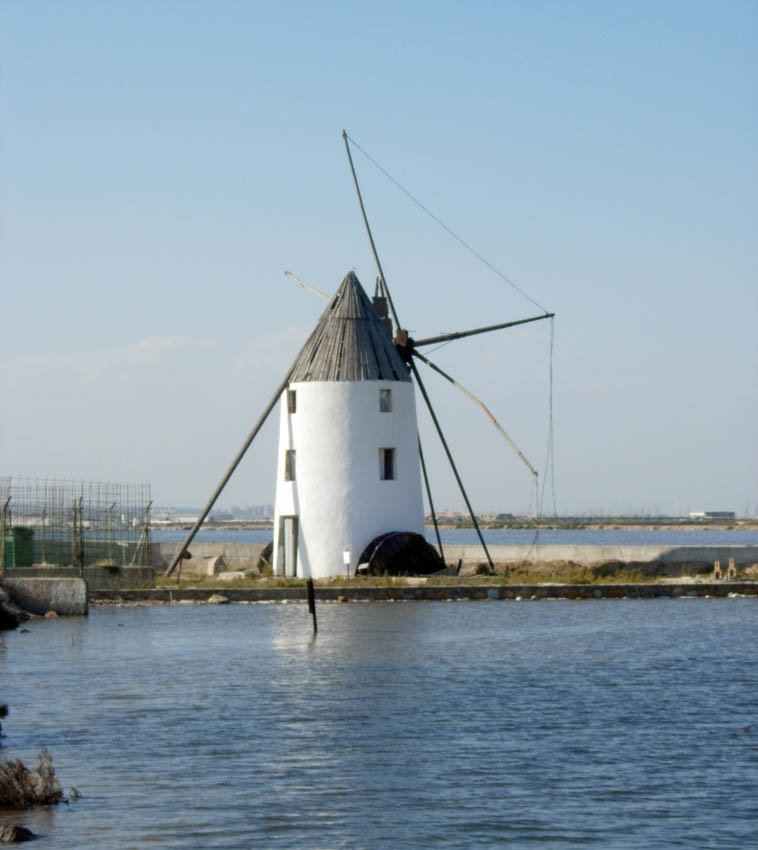
Murcia fronts the Mediterranean and includes the Costa Cálida and the shallow saltwater lagoon called the Mar Menor. The climate is predominantly Mediterranean, with hot, dry summers and mild winters; rainfall is uneven and more common in the interior highlands. These climatic conditions support extensive irrigated agriculture in river valleys and greenhouse cultivation along the coastal plain.
History and governance
The area has been inhabited since antiquity and the port city of Cartagena bears layers of Phoenician, Roman and later fortifications. Modern self-government was established in the years after Spain's transition to democracy, and Murcia exercises regional powers over education, health and infrastructure under Spain's system of autonomous communities.
Economy and land use
Agriculture is a defining sector: fruits, vegetables and flowers—often grown in greenhouses—are major exports. Tourism along the Costa Cálida and cultural tourism in historic towns complement industry and services. Inland towns such as Lorca and Molina de Segura combine manufacturing, logistics and local commerce.
Culture, landmarks and festivals
Murcia region preserves distinctive traditions, regional cuisine and lively festivals, including notable Holy Week processions and agricultural celebrations. Architectural highlights include Murcia city’s cathedral and Cartagena’s archaeological and naval sites. The proximity of sea and countryside shapes local cuisine, emphasizing seafood, rice dishes and produce from the orchards.
Major municipalities and transport
Besides the capital, important municipalities include Murcia, Cartagena, Lorca, Molina de Segura and smaller towns such as Cieza. The region is connected by road and rail to Madrid, Alicante and Andalusia, and its ports and airports support both tourism and trade.
- Primary sectors: agriculture, tourism, industry
- Distinctive features: Mar Menor lagoon, Cartagena port, greenhouse farming
- Languages and identity: Spanish (Castilian) with strong regional traditions
Related articles
Author
AlegsaOnline.com Region of Murcia, Spain Leandro Alegsa
URL: https://en.alegsaonline.com/art/81880