
Cartagena (Spain)
Cartagena is a historic port city in the Region of Murcia, southeastern Spain, noted for its Carthaginian and Roman heritage, strategic harbour, naval base and industrial economy.
Overview
Cartagena is a coastal city in the autonomous Region of Murcia, in southeastern Spain, situated on a sheltered bay of the Mediterranean Sea. It functions as a regional port, naval base and industrial centre and has a population of around 200,000. The city's compact urban core combines modern districts with well-preserved historic quarters.
Image gallery
10 Images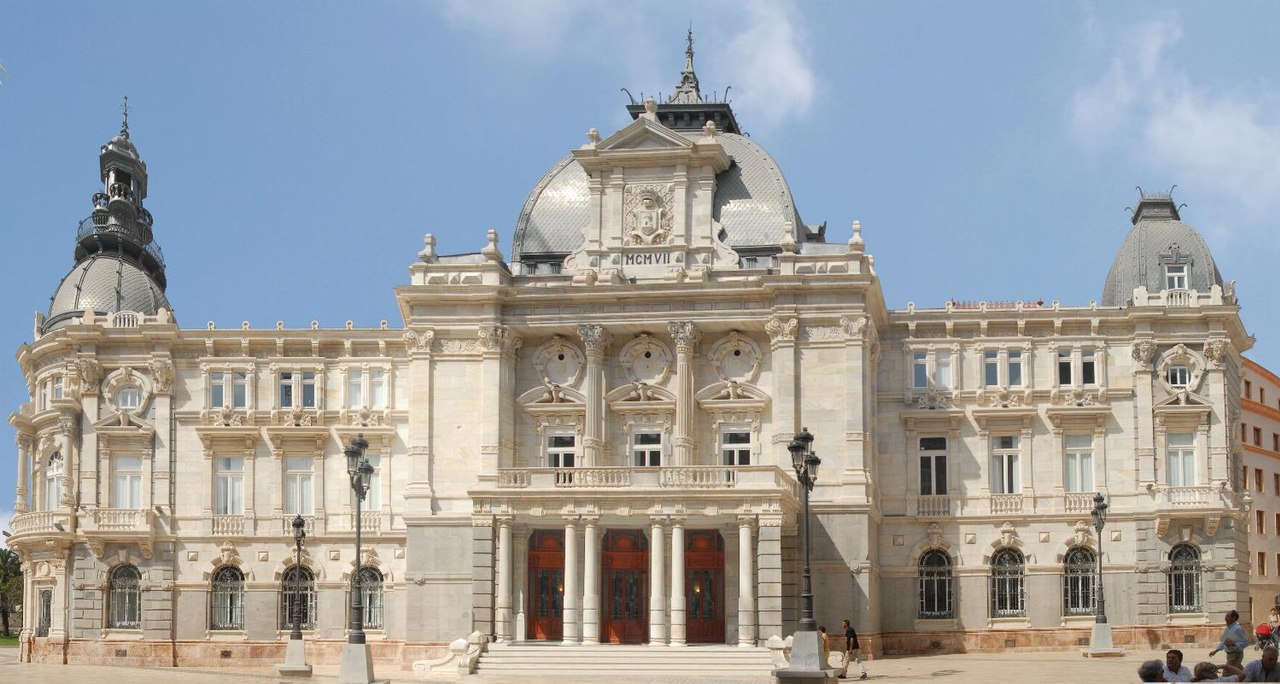




Geography and harbour
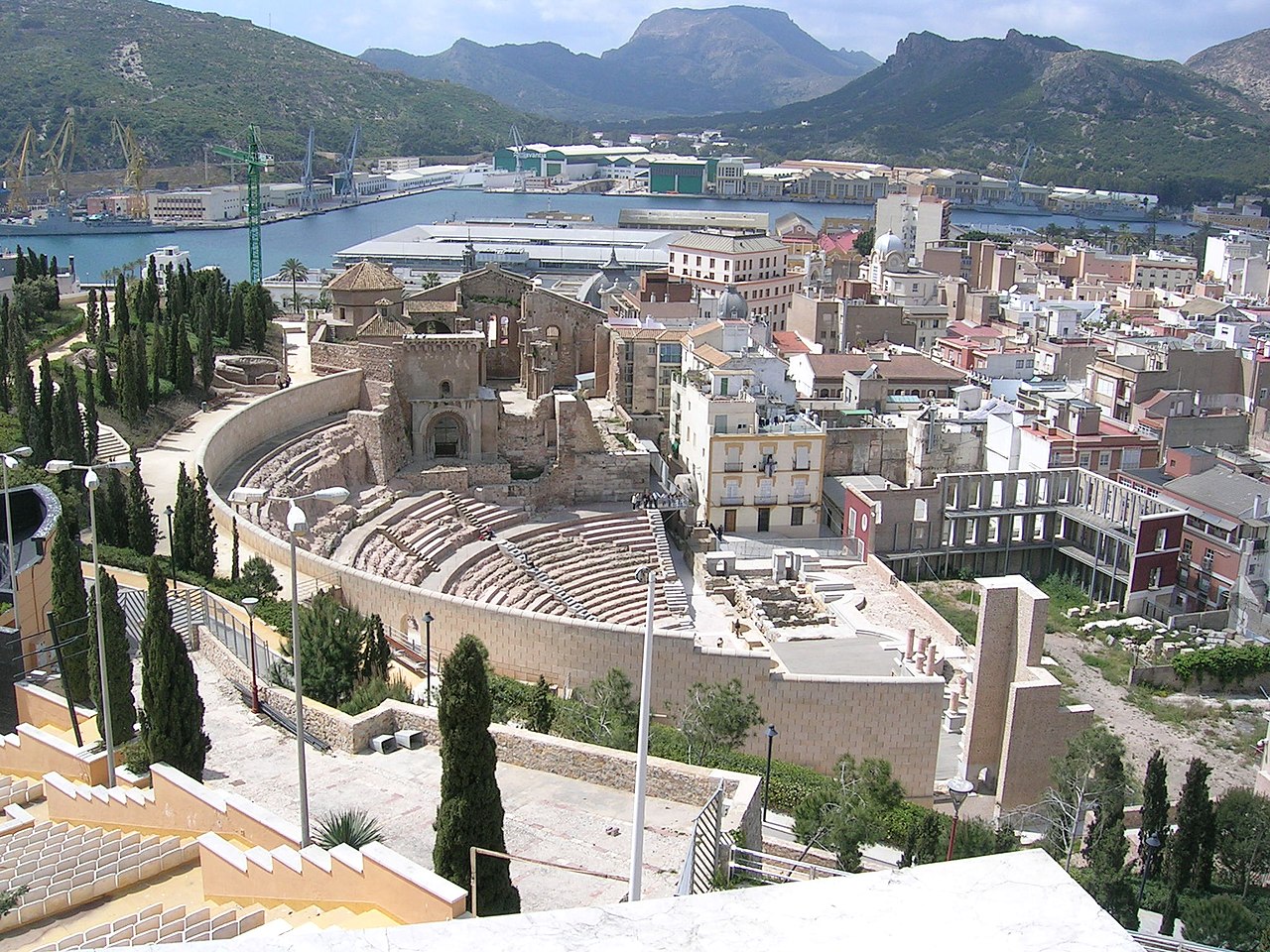
Cartagena lies at the head of a natural harbour that has defined its role for millennia. The deep, protected inlet and surrounding hills give the town a strategic maritime position. Its waterfront accommodates commercial shipping, shipyards and facilities linked to fishing and transport, while the nearby coastline features beaches and coastal landscapes.
History and origins
The settlement was founded in the 3rd century BC by Carthaginian colonists under the name Qart Hadasht, meaning "New City." Under Roman rule it became known as Carthago Nova and developed into a major administrative and commercial centre. Successive periods—Visigothic, Byzantine, Islamic and Christian—shaped the town's urban fabric. Its long history is visible in archaeological remains and street patterns.
Cultural heritage and notable sites
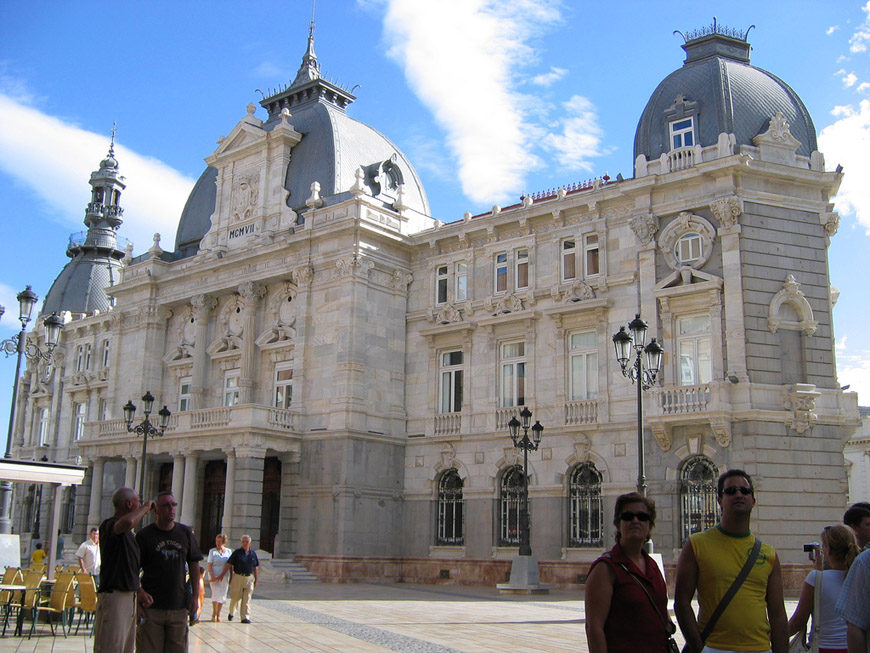
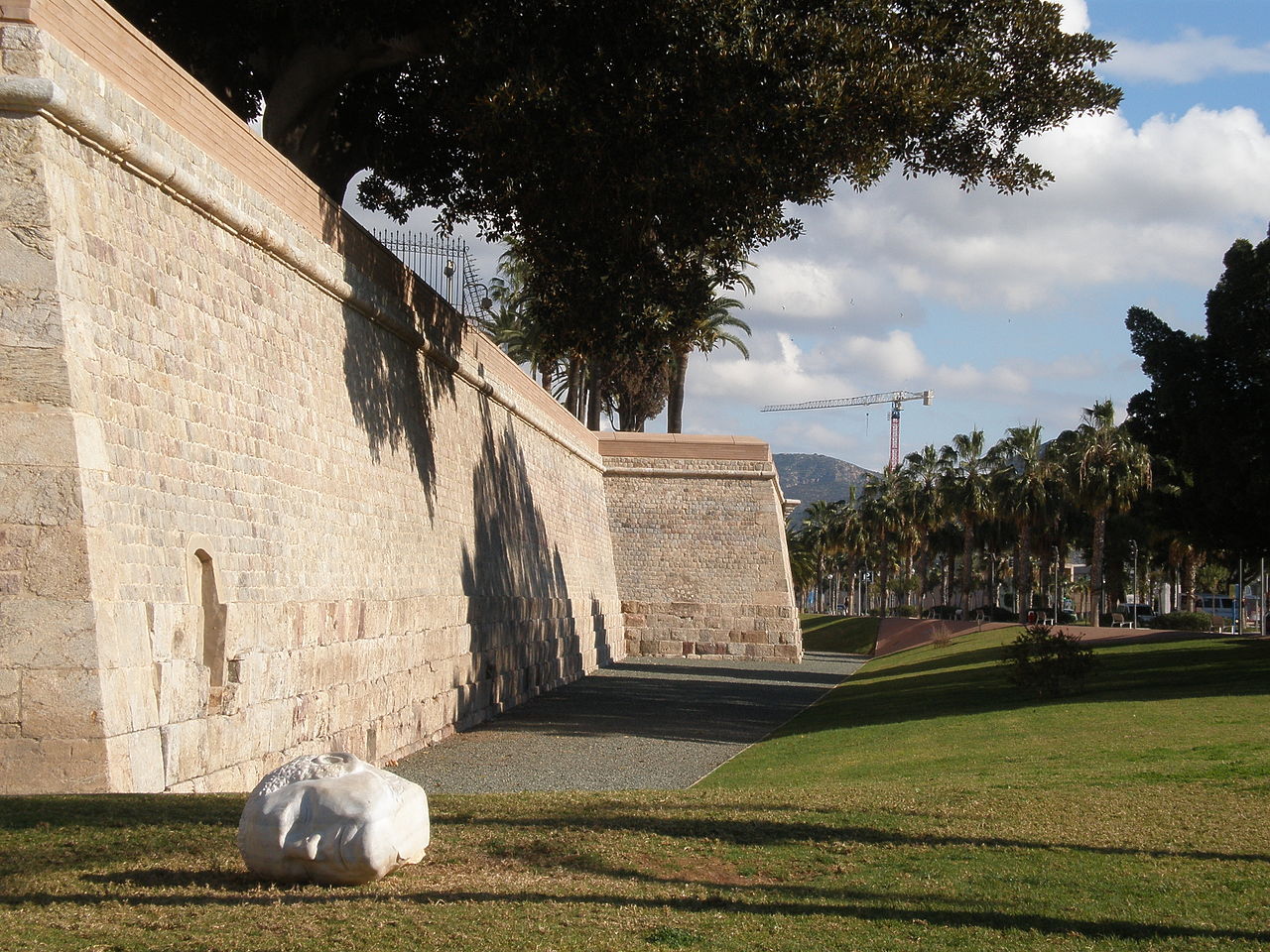
Archaeology is a major feature of Cartagena's identity. Excavations have revealed Roman theatres, forums and walls, as well as Punic and medieval layers. Landmarks include a restored Roman theatre, museums that interpret the port's past, and several historic forts and naval buildings. Visitors encounter 19th- and 20th-century architecture alongside ancient ruins.
Economy and strategic importance
Cartagena's economy blends port activity, industry and services. Historically important for mining and shipbuilding, the city remains a centre for maritime maintenance, naval operations and industrial production. The Spanish Navy maintains a presence in the harbour, reinforcing the city's strategic role in defence and maritime logistics.
Distinctive features and contemporary life
Today Cartagena balances heritage tourism with industry and everyday urban life. Annual cultural events, museums and coastal recreation draw visitors, while the harbour and transport links sustain commerce. Its layered history—from Carthaginian foundation to modern port city—makes Cartagena an instructive example of how strategic geography shapes urban development.
- Founding name: Qart Hadasht ("New City")
- Former Roman name: Carthago Nova
- Main attractions: archaeological sites, naval facilities, maritime museum
Questions and answers
Q: Where is Cartagena located?
A: Cartagena is located in the Region of Murcia, in Spain, at the Mediterranean Sea.
Q: What is the population of Cartagena?
A: The population of Cartagena is 205,000.
Q: What is the main industry of Cartagena?
A: Cartagena is an industrial centre.
Q: Who founded Cartagena?
A: Cartagena was founded by the Carthaginese.
Q: What was the original name of Cartagena?
A: The original name of Cartagena was "Qart Hadasht".
Q: What does the name "Qart Hadasht" mean?
A: The name "Qart Hadasht" means New City.
Q: Is Cartagena located in the north or south of the Region of Murcia?
A: Cartagena is located in the south of the Region of Murcia.
Related articles
Author
AlegsaOnline.com Cartagena (Spain) Leandro Alegsa
URL: https://en.alegsaonline.com/art/17312