
Regensburg Cathedral (Dom St. Peter)
Major Gothic cathedral in Regensburg, Germany, serving as the seat of the Catholic Diocese of Regensburg; known for its twin spires, medieval stained glass and centuries-long construction.
The Regensburg Cathedral, commonly called Dom St. Peter, is the principal church of the city of Regensburg and the seat of the Catholic Diocese of Regensburg. Located in the historic center, the building is widely regarded as the finest example of high Gothic architecture in southern Germany. Its profile with two prominent towers dominates the skyline and marks the cathedral as a civic as well as a religious landmark.
Image gallery
9 Images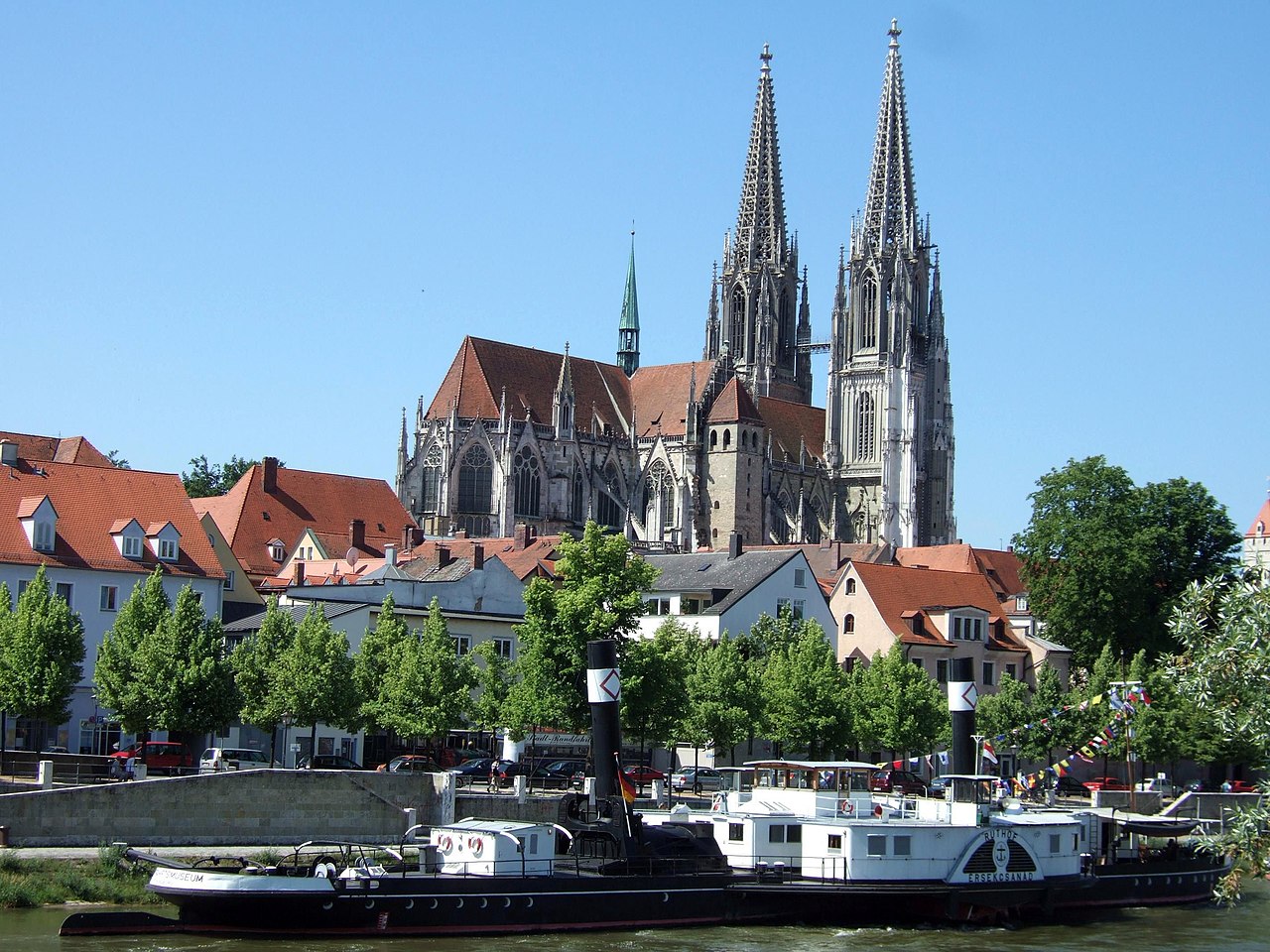


Architecture and interior
The cathedral is characterized by pointed arches, ribbed vaults and an emphasis on vertical lines typical of Gothic design. Inside, the choir, aisles and transept contain richly carved stonework and a sequence of stained-glass windows dating from medieval periods and later restorations. The building houses liturgical furnishings, bishopric memorials and a historic organ used for diocesan services and concerts.
History and construction
A church has stood on the site since early medieval times; sources record an early church around the 8th century that was later lost to fire. Work on the present Gothic structure began in 1273 and progressed episodically over centuries. Major phases of building and restoration continued into the 19th century, with completion of long-running works in 1872. In the later Middle Ages the sale of indulgences was among the means used to raise funds for construction and maintenance, a practice recorded in the 15th century and linked to broader ecclesiastical financing of the time (indulgences).
Uses and cultural role
As a diocesan cathedral it hosts regular liturgies, ordinations and major feast-day services. Beyond worship, the cathedral is a focal point for visitors interested in medieval art, music and architecture; guided tours and cultural events are commonly held. Its presence helps define the historic urban fabric and contributes to the identity of the old town.
Notable features and distinctions
- Prominent twin towers that shape the city skyline.
- A mix of medieval fabric and 19th-century restoration reflecting long construction history.
- Medieval stained glass and carved details illustrating Gothic craftsmanship.
For further reading on the building's liturgical role, architectural phases and artworks, consult diocesan resources and regional studies of Gothic architecture (cathedral references). The cathedral remains both a living place of worship and a major historical monument in southern Germany.
Related articles
Author
AlegsaOnline.com Regensburg Cathedral (Dom St. Peter) Leandro Alegsa
URL: https://en.alegsaonline.com/art/81841