
Ballad: form, history, and modern meanings
A ballad is a narrative verse and song form that originated in folk traditions and evolved into literary and pop-song forms; it is known for storytelling, refrains, and a distinctive stanza pattern.
A ballad is a narrative poem often intended to be sung. Originally a product of oral tradition, the ballad typically tells a story—tragic, romantic, heroic or supernatural—through concise stanzas, repeated refrains and dialogue. Its name is used in several related senses today: the traditional folk ballad, the literary ballad adapted by poets, and the popular-music ballad that denotes a slow, emotional song.
Image gallery
10 Images


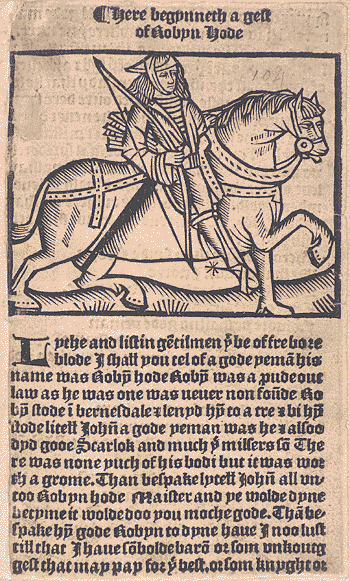



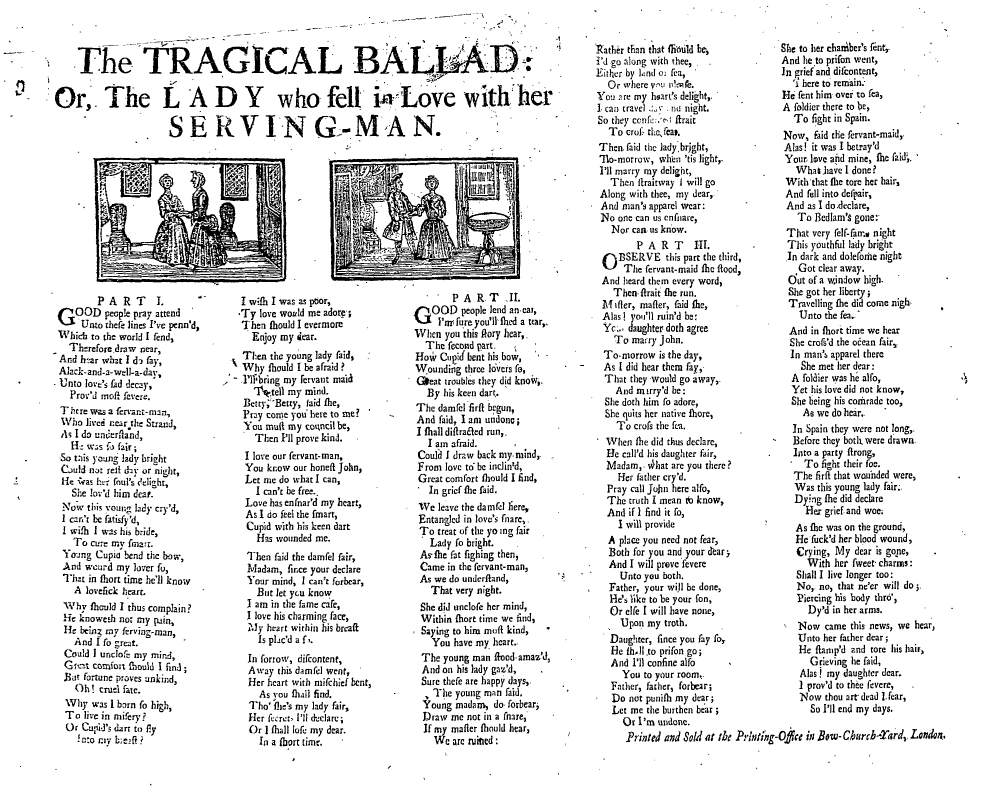
Characteristics and structure
Traditional ballads commonly use short quatrains with alternating line lengths (commonly called common metre) and a simple rhyme scheme such as abcb. Features that make a ballad recognizable include:
- Storytelling focus with clear narrative progression and often a dramatic climax.
- Dialogues and reported speech that move the plot forward.
- Repetition, incremental variation and refrains that aid memory and musical setting.
- Simple language, strong imagery and formulaic phrases suited to oral transmission.
History and development
Ballads emerged in medieval Europe as part of the folk tradition and were widely collected in Britain and Ireland, where many of the best-known examples survive. From the early modern period they circulated both in oral performance and as printed broadsides sold on single sheets. The form was adapted by poets and composers into what became known as the literary ballad; notable nineteenth-century efforts to collect and study ballads include the work of Francis James Child, whose anthology established a scholarly canon for English and Scottish examples.
Uses, examples and modern forms
Folk ballads such as "Barbara Allen" preserve narrative patterns and local variants, while literary ballads explored the form for artistic effect—Wordsworth and Coleridge famously invoked the genre in their collaborations. In popular music the word "ballad" shifted meaning to describe slow, sentimental songs about love or longing; by the late twentieth century the term also identified the "power ballad" in rock and pop contexts. Ballads have also appeared in diverse regions beyond Britain and Ireland, adapting to local languages and musical styles.
Different articles and collections explore these angles in more detail: studies of poetic form and meter explain stanza patterns, recordings and transcriptions show how ballads were performed set to music, and regional surveys trace their spread in British, Irish and overseas traditions such as the Americas and Australia. Comparative work considers non-European parallels in places like North Africa.
For readers interested in creators and adaptations, see treatments by poets and composers who used the ballad form in verse and in music. The ballad remains a flexible genre: it can be a living folk narrative, a crafted literary piece, or a contemporary song that evokes the older tradition’s focus on story and feeling.
Questions and answers
Q: What is a ballad?
A: A ballad is a type of verse often set to music.
Q: Where were ballads popular in poetry and music?
A: Ballads were popular in British and Irish poetry and music until the 19th century from the late medieval period. It was also used in Americas, Australia and North Africa.
Q: What were many ballads written and sold as?
A: Many ballads were written and sold as single sheet broadsides.
Q: Who used the ballad form to produce lyrical ballads?
A: Poets and composers from the 18th century used this form to produce lyrical ballads.
Q: What did ballads become in the later 19th century?
A: In the later 19th century, ballads became slow forms of popular love songs.
Q: What is the term ballad often used as synonymous with?
A: The term ballad is now often used as synonymous with any love song, particularly the pop or rock power ballad.
Q: When did ballads become less popular?
A: Ballads became less popular in British and Irish poetry and music starting in the 19th century.
Related articles
Author
AlegsaOnline.com Ballad: form, history, and modern meanings Leandro Alegsa
URL: https://en.alegsaonline.com/art/8518
Sources
- query.nytimes.com : "POP VIEW; The Male Rock Anthem: Going All to Pieces"
- livescience.com : "Rock Concert Question: Are Lighter Salutes Bad for the Environment?"
- livescience.com : Live Science
- backtotheeighties.net : "Power Ballads"