
Ray Fox — American NASCAR engine builder, car owner and inspector
Ray Fox (1916–2014) was a prominent American NASCAR engine builder, team owner and inspector whose teams won 14 Grand National races and earned 16 pole positions; he is a motorsports hall of famer.
Overview
Raymond Lee Fox, Sr. (May 28, 1916 – June 15, 2014) was a prominent figure in American stock car racing, known primarily as an engine builder, NASCAR car owner and long-serving engine inspector. Active throughout the mid-20th century, Fox helped shape competitive engine tuning during NASCAR’s formative decades. His work combined mechanical skill with an emphasis on durability and race-day dependability.
Image gallery
1 Image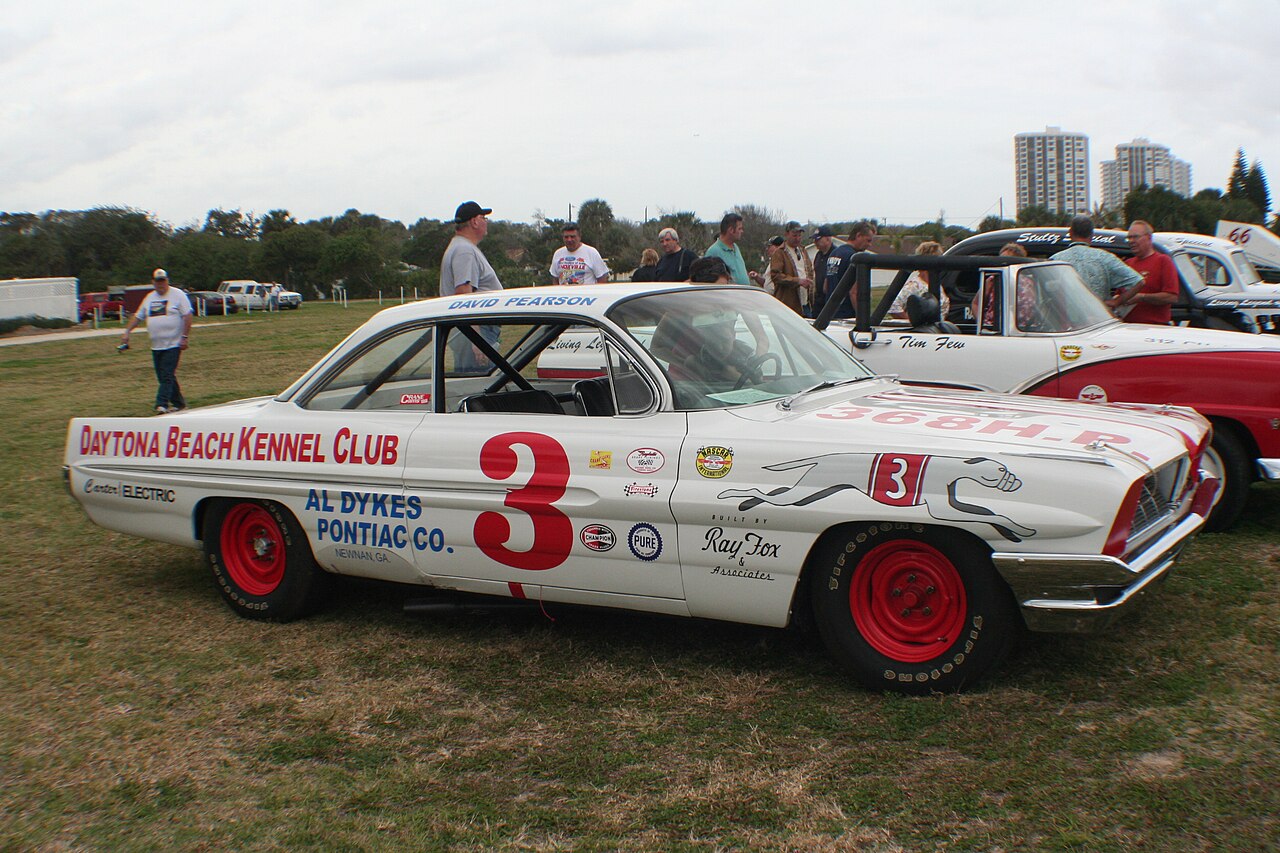
Career and technical approach
Fox began his career as a mechanic and developed a reputation for extracting reliable performance from production-based V8 engines. Rather than chasing extreme peak horsepower, he emphasized consistent performance across a race distance, careful assembly practices, and precise component matching. Those priorities made his engines competitive at tracks ranging from short ovals to superspeedways and earned him respect among drivers and crew chiefs.
Achievements
Cars prepared or entered by Ray Fox claimed fourteen NASCAR Grand National (now Cup Series) victories and sixteen pole positions—an indicator of the speed and quality of his equipment as well as its preparation. Over decades of involvement he moved between hands-on engine work, team ownership and later officiating roles in NASCAR. His contribution to the sport was recognized by induction into multiple halls of fame, including the International Motorsports Hall of Fame (see honors).
Legacy and influence
- Demonstrated the competitive value of combining reliability with performance rather than pursuing short-lived peak power.
- Mentored mechanics and engine builders who continued to influence NASCAR engine development.
- Served as an engine inspector, helping enforce technical rules and maintain a level playing field.
- Left a record of race wins and pole positions that is frequently cited when tracing the history of stock car engine craftsmanship (including pole position statistics).
Death and remembrance
Ray Fox died on June 15, 2014, in Daytona Beach, Florida, at the age of 98. His death, attributed to pneumonia, was noted across the motorsports community. He spent his later years in the Daytona area, where many fans and fellow competitors remembered him for both technical achievement and personal integrity in a sport that grew rapidly during his lifetime (Daytona Beach).
Fox’s career is emblematic of an era when independent shops and individual craftsmen could make a measurable impact on national racing, and his name remains associated with thoughtful engine preparation and a preference for race-proven durability over short-term gains.
Related articles
Author
AlegsaOnline.com Ray Fox — American NASCAR engine builder, car owner and inspector Leandro Alegsa
URL: https://en.alegsaonline.com/art/81350