
Rarotonga — largest island of the Cook Islands
Rarotonga is the largest and most populous island of the Cook Islands, home to the capital Avarua. A volcanic, ringed island with a central highland, reef-fringed lagoon and an economy led by tourism.
Overview
Rarotonga is the largest and most populous island of the Cook Islands. The national capital, Avarua, is located on its northern coast and serves as the administrative and commercial centre. Census figures commonly cited for Rarotonga refer to the early 2010s. The island functions as the political, transport and tourism hub for the nation.
Image gallery
10 Images



Geography and natural features
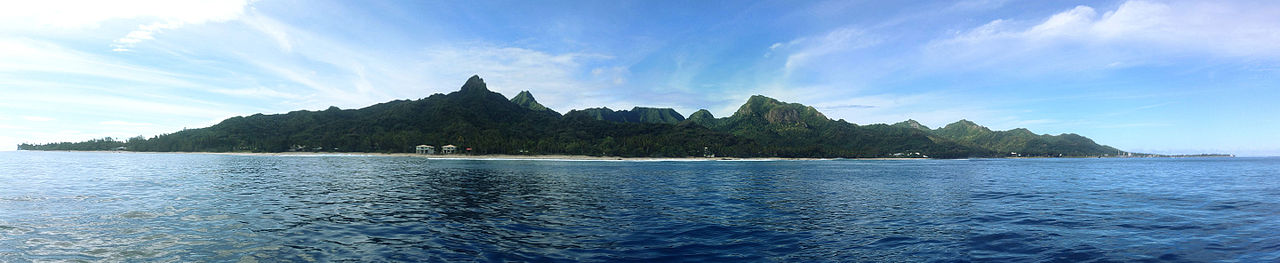
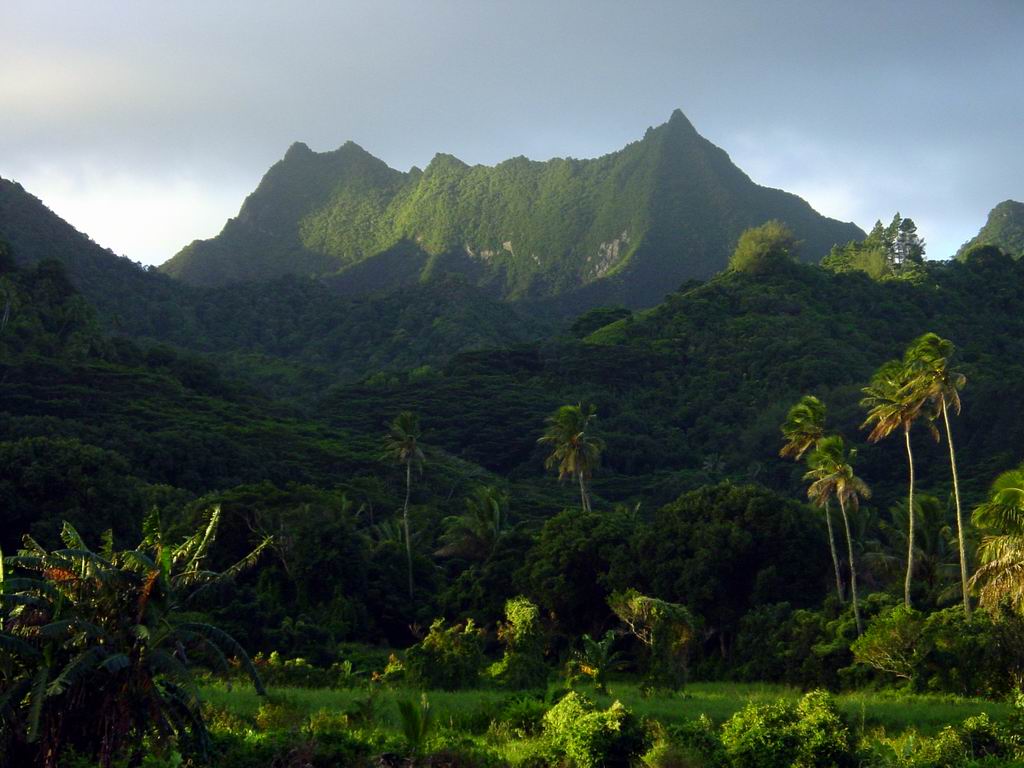
Rarotonga is of volcanic origin with a rugged, forested interior rising to pronounced peaks such as Te Manga. A fringing coral reef and a protected lagoon surround much of the shoreline, creating sheltered bays and an extensive nearshore environment. The island has a narrow coastal plain where most villages and infrastructure are located, and many settlements are linked by a single coastal road that follows the shoreline.
History and governance
Polynesian peoples settled the island centuries before European contact and developed local chiefly systems and inter‑island ties. In the 19th century missionary activity and colonial contacts brought significant social change. Today the Cook Islands is self-governing in free association with New Zealand, and Rarotonga houses national institutions and legislative assemblies.
Economy, society and culture
Tourism is the principal economic driver on Rarotonga, supported by hotels, restaurants, excursion services and cultural tourism. Local livelihoods also depend on subsistence and small‑scale commercial agriculture, fishing and crafts. Cook Islands Māori language, traditional music and dance, church life and community festivals remain central to island identity and cultural life.
Transport and tourism
Rarotonga International Airport provides the main air connection to regional and international destinations, while sea services link to outer islands. Popular visitor activities include beach recreation, snorkeling and diving on reef flats, cultural performances, and inland walks that give access to native forest and ridge views.
Environment and conservation
- Coral reefs and lagoon systems are crucial for fisheries, tourism and coastal protection.
- Climate change, sea‑level rise and reef degradation are ongoing challenges that have prompted local conservation and resilience efforts.
- Community and government initiatives focus on marine reserves, invasive species control and sustainable tourism practices.
As the main gateway to the Cook Islands, Rarotonga plays a central role in national life. Its combination of mountainous interior, reef‑fringed coast and strong Polynesian traditions shapes both daily living and the visitor experience while prompting an ongoing balance between development and environmental stewardship.
Related articles
Author
AlegsaOnline.com Rarotonga — largest island of the Cook Islands Leandro Alegsa
URL: https://en.alegsaonline.com/art/81224