
Randolph L. Braham
Historian and political scientist who became a leading scholar of the Holocaust in Hungary; long-time professor at the City College and CUNY Graduate Center, author and editor of many works.
Overview
Randolph Louis Braham (December 20, 1922 – November 25, 2018) was an American historian and political scientist best known for his extensive research on the Holocaust in Hungary and for studies of 20th‑century Hungarian politics. He was born in Bucharest and raised in Romania before building a long academic career in the United States. For many years he served as Distinguished Professor Emeritus of Political Science at the City College and the Graduate Center of the City University of New York.
Image gallery
1 Image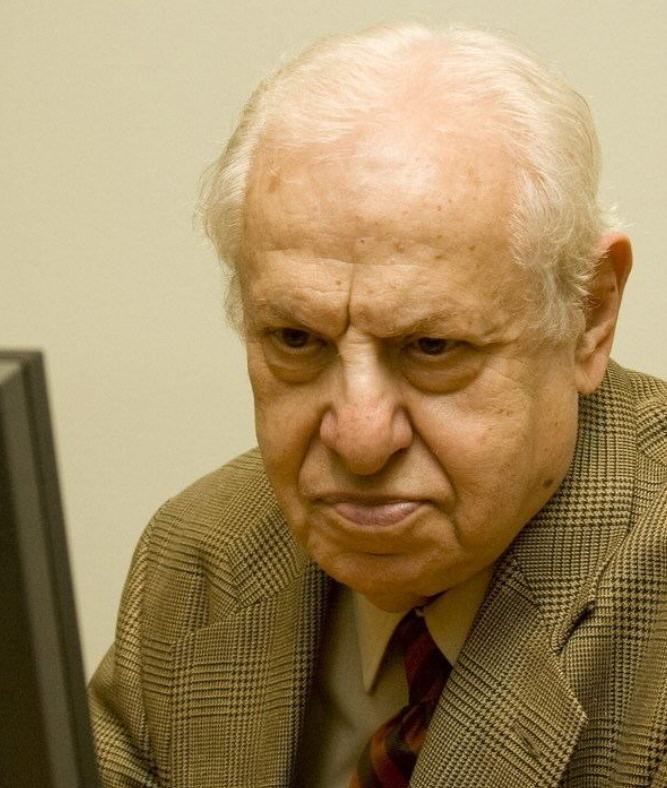
Biography
Braham combined training in political science with painstaking archival research. After coming to the United States and joining the academic faculty, he focused his energies on documenting wartime events and the political developments that followed the Second World War. His background and language skills allowed him to consult Eastern European records and survivor testimony, creating a bridge between archival evidence and scholarly interpretation.
Scholarship and major works
Over the course of his career Braham authored and edited more than sixty books and contributed chapters to many others, along with a large number of scholarly articles. His studies examined how wartime policies, local collaboration and occupation forces shaped the fate of Jews in Hungary, and how memory and politics affected accounts of those events in the post‑World War II period. Among his best‑known projects is a multi‑volume, documentary and analytical treatment of the Holocaust in Hungary that assembled primary documents, governmental records and witness accounts to establish a comprehensive record.
Themes, methods and impact
Braham was notable for combining documentary compilation with analytical narration. He emphasized the role of state institutions, military and police units, and international forces in the deportations and persecutions of Jews, while also tracing legal and political continuities after the war. His work has been used by historians, educators and legal investigators, and it influenced public understanding of how national and local authorities participated in genocidal policies.
Legacy
Scholars regard Braham as one of the foremost authorities on the Hungarian dimensions of the Holocaust. His extensive publications and curated documentary material provided a foundation for later research, commemoration, and teaching. He continued to write and advise on issues of history and memory until late in life. Braham died in New York City on November 25, 2018, leaving behind a substantial body of research that remains a central resource for the study of the Holocaust in Central and Eastern Europe.
Selected topics covered in his work
- Documentation of deportations and administrative orders
- Role of Hungarian and occupying authorities in wartime policies
- Post‑war political developments and memory of the Holocaust
- Compilation and analysis of primary sources and survivor testimony
Related articles
Author
AlegsaOnline.com Randolph L. Braham Leandro Alegsa
URL: https://en.alegsaonline.com/art/81108
Sources
- jewishvirtuallibrary.org : "Braham, Randolph Louis"
- szabadsag.ro : Elhunyt a magyar holokausztkutatás doyenje, Randolph L. Braham