
Ramón Valdés — Mexican actor and comedian best known as Don Ramón
Ramón Valdés (1923–1988) was a Mexican actor and comedian, famed for his portrayal of Don Ramón in El Chavo del Ocho and for his long career in film and television across Latin America.
Overview
Ramón Gómez Valdés de Castillo (2 September 1923 – 9 August 1988), professionally known as Ramón Valdés, was a Mexican actor and comedian. He achieved enduring fame for his performance as Don Ramón on the television sitcom El Chavo del Ocho, a role that made him a household name throughout Spanish-speaking countries. Valdés was born and later died in Mexico City.
Image gallery
3 Images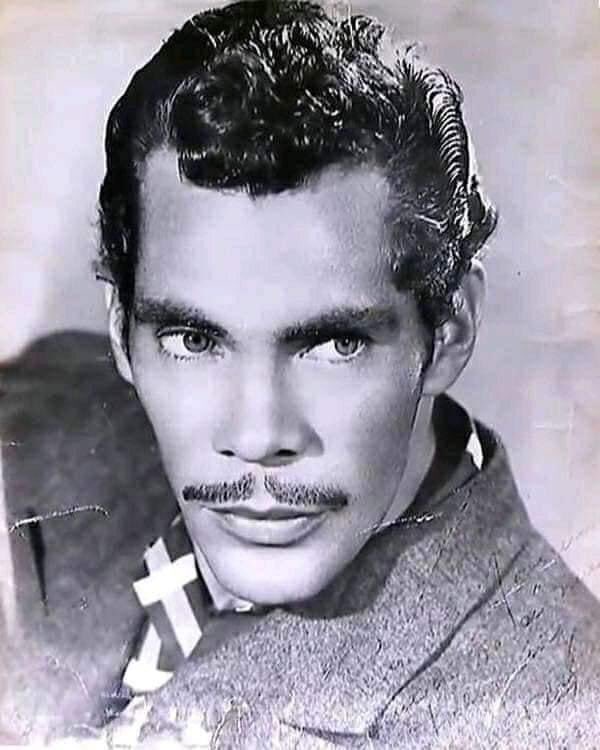


Early life and career
Born into a family active in entertainment, Valdés worked for many years in Mexican cinema and on the stage before reaching wider recognition on television. He collaborated with prominent comedians and creators of his era and moved from film and variety programs into the sitcom format that defined his later career. His working relationship with Roberto Gómez Bolaños (known as Chespirito) brought him international exposure.
Don Ramón: character and traits
Valdés’s most famous role, Don Ramón, was a memorable blend of gruffness and warmth. The character was typically portrayed with simple, worn clothing, a cap and a distinctive mustache, and often presented as a struggling but resilient figure in the series’ neighborhood setting. Don Ramón’s interactions with children and other adults combined slapstick, timing and subtle emotional moments, contributing to the character’s broad appeal.
Legacy and influence
Ramón Valdés left a lasting mark on popular culture in Latin America and among Spanish-speaking audiences worldwide. Reruns, tributes and references in later comedy continue to keep his performance alive. His portrayal influenced generations of comic actors and remains one of the best-known figures from classic Latin American television comedy.
Notable facts
- Member of a family of entertainers; several siblings were also performers.
- Worked in both film and television during a multi-decade career.
- His death in 1988 was caused by stomach cancer, and he was 64 years old.
- Don Ramón remains an iconic character in Spanish-language comedy, admired for its humanity as well as humor.
For many viewers, Valdés’s Don Ramón is more than a comic persona; it represents a recognizable slice of television history that continues to be celebrated and studied by fans of classic comedy.
Related articles
Author
AlegsaOnline.com Ramón Valdés — Mexican actor and comedian best known as Don Ramón Leandro Alegsa
URL: https://en.alegsaonline.com/art/81047