
Rajendra Prasad: First President of India and Independence Leader
Overview of Rajendra Prasad, his role in the Indian independence movement, presidency (1950–1962), work with the Constituent Assembly, and his legacy as a scholar and statesman.
Overview
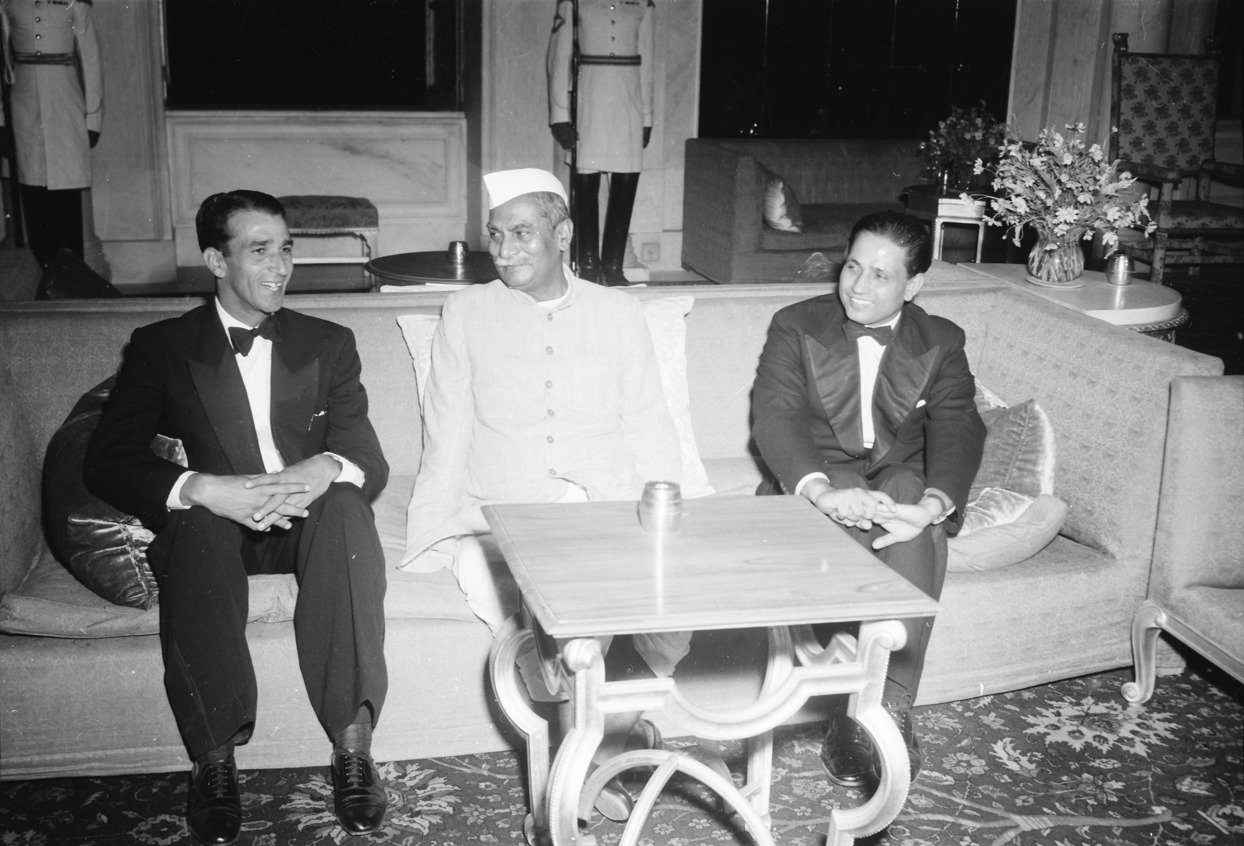
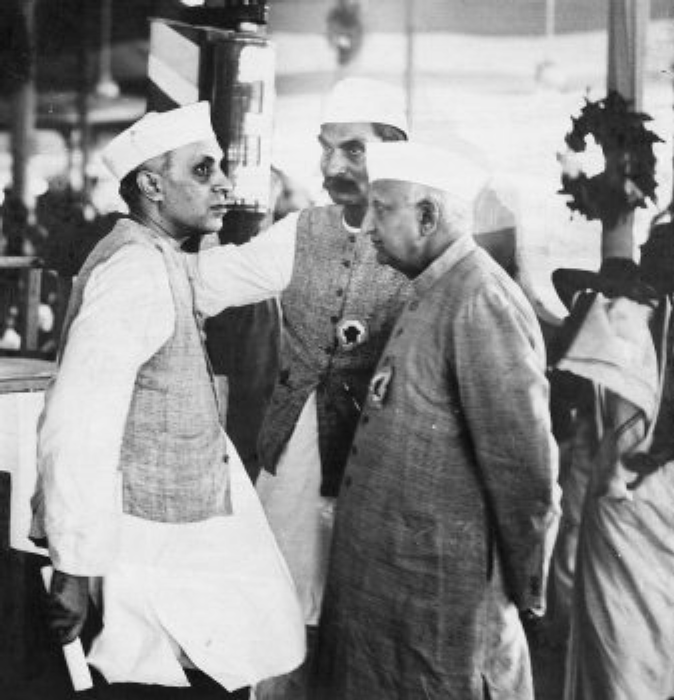
Rajendra Prasad was a leading figure in modern Indian history who served as the first President of India and held that office from 1950 to 1962. A lawyer by training and an active member of the Indian National Congress, he is remembered for his steady leadership during the early years of the Republic, his association with Mahatma Gandhi, and his role in guiding India’s transition from colonial rule to constitutional democracy.
Image gallery
6 Images



Early life and background
Born and raised in what is now the state represented by the link below, Prasad combined a scholarly temperament with public service. He trained in law and worked in education before entering politics. His upbringing and regional connections helped shape his public identity as a prominent leader from Bihar. Over time he developed a reputation for modesty, intellectual discipline, and an adherence to Gandhian principles.
Involvement in the independence movement
Prasad became an active participant in the struggle against British colonial rule. As a loyal member of the Congress, he supported nonviolent mass campaigns and was arrested on several occasions during major civil disobedience movements, including the Salt Satyagraha and the Quit India campaign. He worked closely with other national leaders and contributed to organizing campaigns, relief efforts, and educational initiatives linked to the freedom movement.
Constituent Assembly and presidency
After independence, Rajendra Prasad played a prominent role in the Constituent Assembly that framed the Constitution of India. His stature in the Assembly and his reputation for impartiality and scholarship contributed to his selection as the nation’s first President. As head of state from 1950 until 1962, he provided continuity during the formative years of parliamentary institutions, presided over ceremonial duties, and represented the Republic at home and abroad.
Works, character and legacy
Beyond politics, Prasad wrote on public affairs and social issues and was regarded as a man of letters and learning. His affinity with Gandhian ideals informed his public life and personal conduct. He is widely remembered for his integrity, austere lifestyle, and dedication to public education and rural welfare. His long tenure and visible role in nation-building have made him a recurring subject of study in histories of modern India.
Notable facts and distinctions
- Served as India’s first President and held the office across the early decades of the Republic.
- Active participant in major independence campaigns and imprisoned for his political activities.
- Played a leading role in the Constituent Assembly that adopted the Constitution.
- Regarded as a scholar-statesman who authored writings on public life and social reform.
- Associated with Mahatma Gandhi and the Gandhian approach to politics and social change; see more about Gandhi here.
For further reading about his life, public service, and influence on modern India, consult authoritative biographies and collections of his speeches and writings available through major libraries and historical repositories. See also related institutional and regional histories for context on his impact in Bihar and national politics.
Questions and answers
Q: Who was Rajendra Prasad?
A: Rajendra Prasad was the first President of India and an Indian political leader and lawyer.
Q: How long was Rajendra Prasad the President of India?
A: Rajendra Prasad was the President of India from 1950 to 1962.
Q: What political party did Rajendra Prasad join during the Indian Independence Movement?
A: Rajendra Prasad joined the Indian National Congress during the Indian Independence Movement.
Q: What was Rajendra Prasad's role in the Quit India movement of 1942?
A: Rajendra Prasad was put in jail during the Quit India movement of 1942.
Q: Was Rajendra Prasad a supporter of Mahatma Gandhi?
A: Yes, Rajendra Prasad was a supporter of Mahatma Gandhi.
Q: What region of India was Rajendra Prasad a major leader from?
A: Rajendra Prasad was a major leader from the state of Bihar in India.
Q: What happened to Rajendra Prasad during the Salt Satyagraha of 1931?
A: Rajendra Prasad was put in jail by Britishers during the Salt Satyagraha of 1931.
Related articles
Author
AlegsaOnline.com Rajendra Prasad: First President of India and Independence Leader Leandro Alegsa
URL: https://en.alegsaonline.com/art/80956