
Radiant heating: principles, types, history, uses and considerations
Radiant heating warms objects and people by emitting infrared energy from heated surfaces. This article explains how it works, common systems, historical origins, benefits, limitations and typical applications.
Overview
Radiant heating delivers warmth by heating surfaces that then transfer heat to people and objects via infrared radiation and conduction rather than primarily warming the room air. Because heat is supplied where it is felt, radiant systems often produce a comfortable environment at lower air temperatures compared with conventional forced‑air heating. Systems are installed beneath floors, in ceilings or inside walls, and are also used outdoors for patios and walkways.
Image gallery
10 Images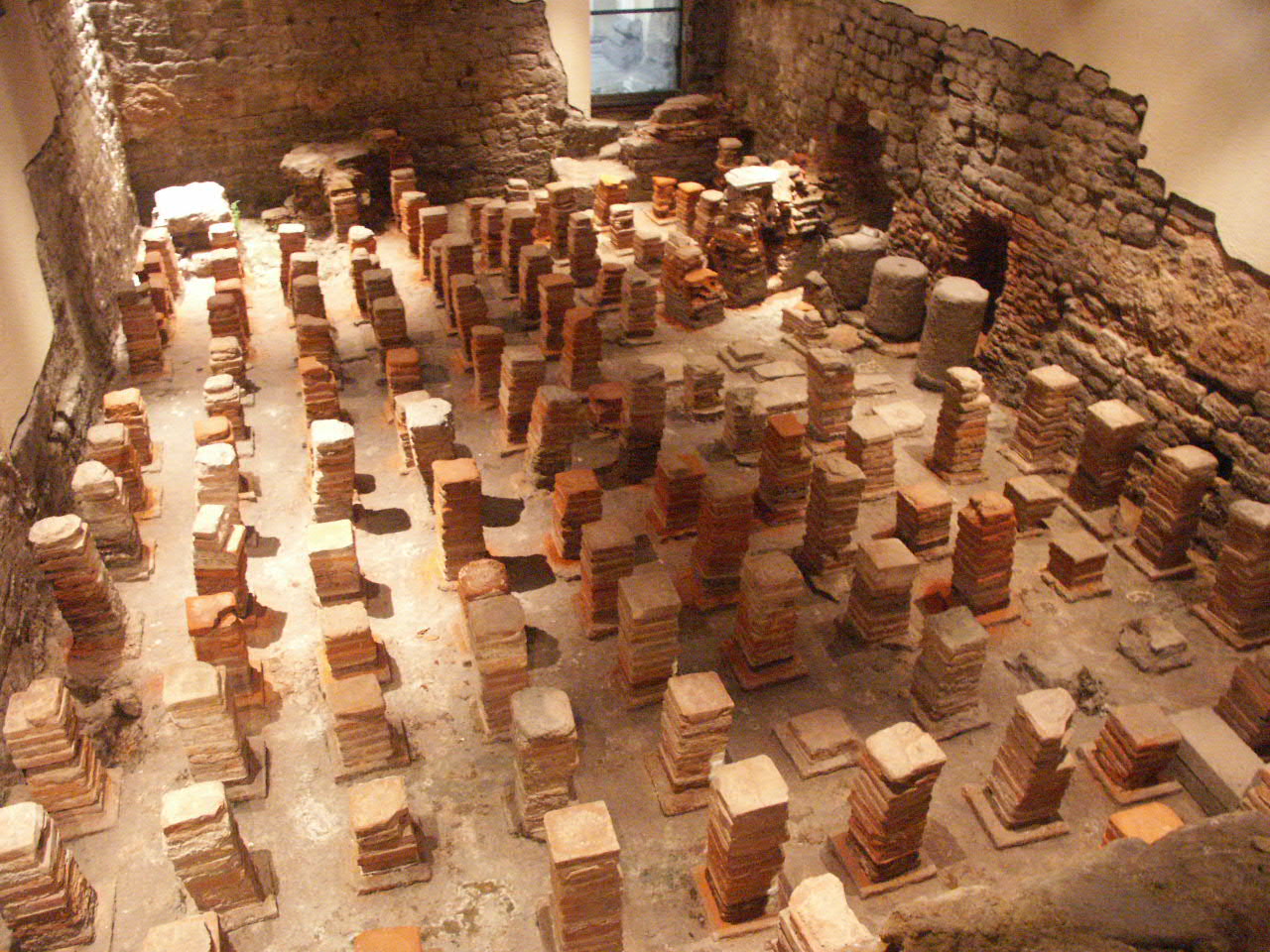


How radiant heating works
At its core, a radiant system consists of a heat source, a heated surface, and controls. The heated surface emits infrared energy that warms bodies and objects directly. Two broad implementation methods are common:
- Hydronic (water-based): warmed water circulates through tubing embedded in floors, walls or ceilings and transfers heat to the surface.
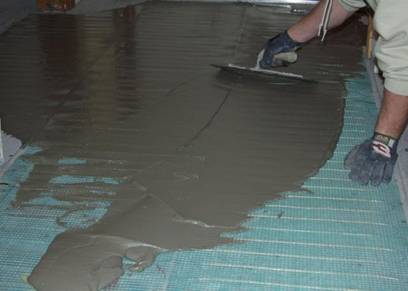
- Electric: electric cables or mats generate heat when energized and raise the temperature of the finishing surface.
Other variations include modular panels and overhead radiant panels used in large spaces. System performance depends on surface area, temperature, thermal mass and the envelope of the building.
History and development
Early forms of radiant heating date back centuries. Systems that elevated and circulated warm air beneath floors were used in antiquity, and traditional Korean ondol and Roman hypocaust techniques are often cited as historic forerunners. Modern radiant technology evolved with advances in durable tubing, insulation, controls and energy sources such as boilers and heat pumps. For historical context see links about ancient methods: Romans and other early systems.
Uses, benefits and examples
Radiant heating is popular in residences, apartments, hospitals and places where quiet, dust‑free comfort is desired. Typical advantages include:
- Even perceived warmth at lower air temperatures.
- Reduced air movement and circulation of dust when compared with forced‑air systems.
- Compatibility with low‑temperature heat sources such as heat pumps, improving efficiency.
- Flexible installation options: underfloor (most common), in walls, in ceilings, and outdoor surface heating to melt snow.
Limitations and practical considerations
Radiant systems have trade-offs. Installation can be more invasive and costly, especially in retrofit situations that require floor build‑up. Hydronic systems require a heat source and distribution equipment, and electric systems can be expensive to operate with high electricity prices. Thermal mass and embedded tubing can produce slower response times than forced‑air systems, which affects zoning and control strategies. Some floor coverings reduce heat transfer and must be chosen with system design in mind.
Distinctions and notable facts
Radiant heating is distinct from convection heating: it focuses on directly warming surfaces and occupants rather than primarily heating air. Designers choose among hydronic and electric solutions based on building type, energy source, cost and desired control. While radiant systems are used primarily for heating, similar principles are applied in specialized radiant cooling installations, which are engineered differently to avoid condensation and to manage humidity.
Questions and answers
Q: What is radiant heating?
A: Radiant heating occurs when a hot surface warms other objects around it.
Q: What is the history of radiant heating?
A: Radiant heating has a long history of use in buildings by the Romans and the Koreans.
Q: How efficient is radiant heating compared to standard ways of heating?
A: Radiant heating is much more efficient than standard ways of heating the air in a building.
Q: What is the most common type of radiant heating used in buildings?
A: Underfloor radiant heating is the most common type of radiant heating used in buildings.
Q: Are there other types of radiant heating systems used besides underfloor?
A: Yes, wall and overhead radiant heating systems are also used.
Q: Can radiant heating be used to heat outdoor areas?
A: Yes, radiant heating can also be used to heat outdoor areas.
Q: What are the potential benefits of using radiant heating systems?
A: Potential benefits of using radiant heating systems include increased energy efficiency and more comfortable and consistent warmth throughout the space.
Related articles
Author
AlegsaOnline.com Radiant heating: principles, types, history, uses and considerations Leandro Alegsa
URL: https://en.alegsaonline.com/art/80736
Sources
- snowman.com.au : "Ducted Heating"
- energysavers.gov : "Energy Savers: Ventilation Preheating"
- energysavers.gov : "Energy Savers: Radiant Heating"