
Quo Vadis (1951 film): MGM epic drama set in imperial Rome
1951 MGM epic drama directed by Mervyn LeRoy, based on Henryk Sienkiewicz's novel. Large-scale spectacle about love, power and early Christians in Nero's Rome; nominated for eight Academy Awards.

Quo Vadis is a 1951 American epic film directed by Mervyn LeRoy that adapts the historical novel by Henryk Sienkiewicz. Its title echoes the Latin question Quo vadis?, often translated as “Where are you going?” The movie presents a sweeping, dramatized vision of imperial Rome, centering on themes of love, tyranny and the early Christian community under Nero.
Image gallery
9 Images


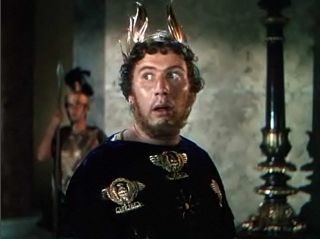
Synopsis and themes
The narrative follows the tensions between the opulence and brutality of Nero’s court and the moral resilience of Christian believers. Romance and political intrigue are set against public spectacles and the persecution of a minority faith. The film emphasizes the clash of values rather than providing a strict historical chronicle, using spectacle to highlight moral choices and personal transformation.
Cast and production
The production assembled a prominent cast led by Robert Taylor and Deborah Kerr, with significant supporting turns by Peter Ustinov and Leo Genn. Metro-Goldwyn-Mayer handled distribution and studio backing, giving the film access to large sets, elaborate costumes and expansive crowd scenes typical of postwar Hollywood epics (MGM).
- Principal stars: Robert Taylor, Deborah Kerr
- Notable supporting actors: Peter Ustinov, Leo Genn, Patricia Laffan, Finlay Currie
Reception and awards
Upon release the film drew attention for its large scale and production values. Critics praised certain performances and the movie’s visual grandeur while some commented on its melodramatic tone. It received multiple Academy Award nominations, reflecting its technical and artistic ambitions.
Significance and legacy
Quo Vadis belongs to a tradition of historical and biblical epics popular in mid-20th-century cinema. Its combination of romance, political spectacle and religious subject matter influenced later portrayals of antiquity and contributed to Hollywood’s reputation for grand period filmmaking. The film continues to be discussed for its adaptation choices and for how it frames the novel’s moral questions for a mass audience.
For further context on the original novel and later adaptations, consult the author’s work and histories of epic cinema.
Questions and answers
Q: What is Quo Vadis?
A: Quo Vadis is a 1951 American epic drama movie directed by Mervyn LeRoy and is the third adaptation of the 1896 novel Quo Vadis by Henryk Sienkiewicz.
Q: What does Quo Vadis mean?
A: Quo Vadis means "Where are you going?" in Latin.
Q: Who directed Quo Vadis?
A: Mervyn LeRoy directed Quo Vadis.
Q: Who stars in Quo Vadis?
A: Robert Taylor, Deborah Kerr, Leo Genn, Peter Ustinov, Patricia Laffan, Finlay Currie, Felix Aylmer, Abraham Sofaer, and Ralph Truman star in Quo Vadis.
Q: Was Quo Vadis distributed by Metro-Goldwyn-Mayer?
A: Yes, Quo Vadis was distributed by Metro-Goldwyn-Mayer.
Q: Was Quo Vadis nominated for any Academy Awards?
A: Yes, Quo Vadis was nominated for 8 Academy Awards in 1952.
Q: What is the source material for Quo Vadis?
A: The source material for Quo Vadis is the 1896 novel Quo Vadis by Henryk Sienkiewicz.
Related articles
Author
AlegsaOnline.com Quo Vadis (1951 film): MGM epic drama set in imperial Rome Leandro Alegsa
URL: https://en.alegsaonline.com/art/80607