
Quantum electrodynamics (QED)
Quantum electrodynamics (QED) is the quantum field theory of electromagnetic interactions: the rules for how charged particles and photons interact and how light behaves at subatomic scales.
Quantum electrodynamics, commonly abbreviated QED, is the quantum field theory that explains how electric and magnetic forces arise from the exchange of photons. It unifies the phenomena of electricity and magnetism within a framework in which charged particles interact by emitting and absorbing quanta of the electromagnetic field. QED describes processes that occur on subatomic scales, including the behavior of single photons and the forces between electrons and other charged particles.
Image gallery
7 Images


Core concepts
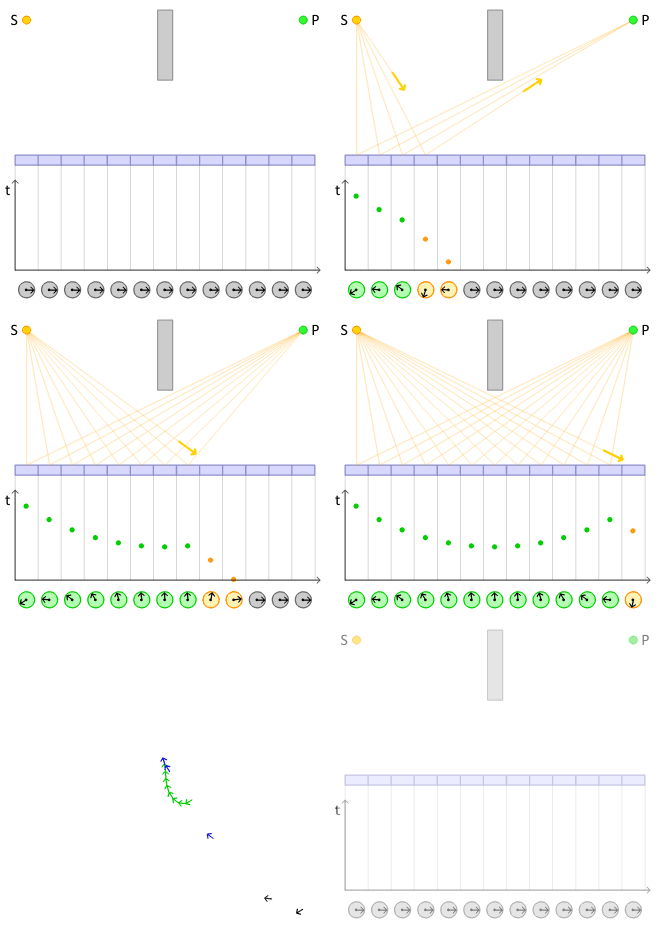
At its heart QED treats particles as excitations of quantum fields. The electromagnetic field is quantized and its excitations are photons, which act as the force carriers for electromagnetic interactions. Charged matter—such as electrons and positrons—is represented by matter fields that couple to the electromagnetic field. The mathematical structure enforces a gauge symmetry (commonly called U(1)) that underlies charge conservation and many distinctive properties of electromagnetic interactions.
Methods and representations
Practical calculations in QED often use perturbation theory and pictorial tools called Feynman diagrams, which represent interaction processes as lines and vertices. Those techniques let physicists compute probabilities for scattering, emission, and absorption events. The theory originally produced divergent expressions that were tamed by the method of renormalization, a systematic way to absorb infinities into redefined physical parameters, yielding finite, predictive results.
History and development
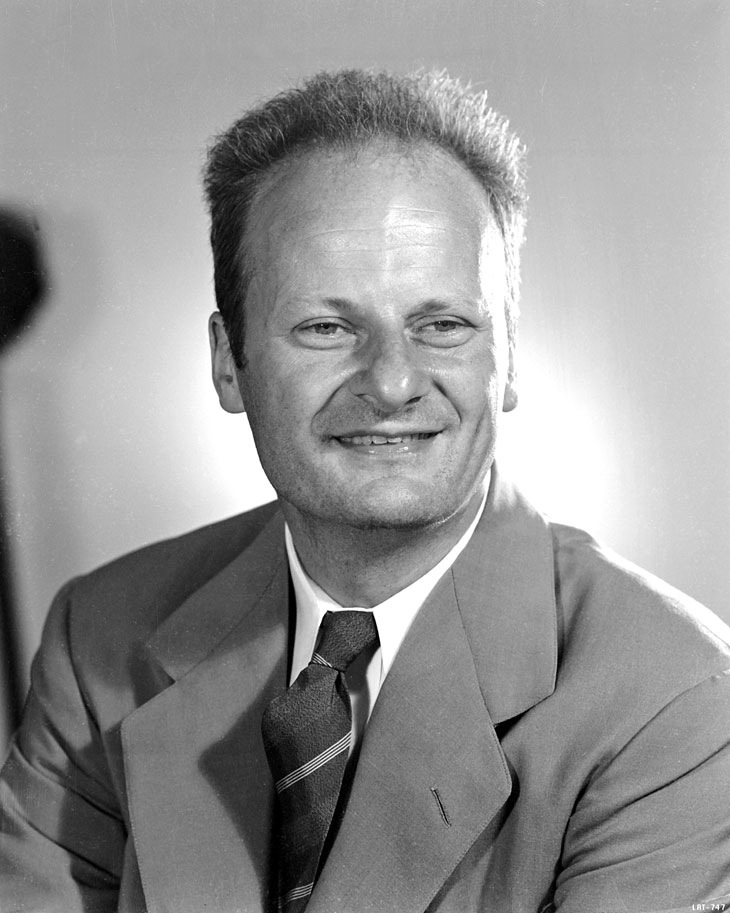
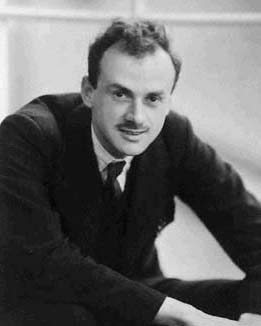
The foundations of QED grew from early quantum mechanics and relativistic electron theory. Mid-20th century work by several physicists resolved inconsistencies and produced a coherent, renormalized theory; key contributors developed complementary formalisms and shared recognition for that progress. Since then, QED has become a cornerstone of modern particle physics and a prototype for other quantum field theories.
Key features
- Photons as mediators of electromagnetic force.
- Gauge symmetry (U(1)) and charge conservation.
- Use of perturbation theory and Feynman diagrams for calculations.
- Renormalization to obtain finite, testable predictions.
QED is notable for its extraordinary experimental success. Measurements such as small shifts in atomic energy levels and the electron's magnetic moment agree with QED predictions to very high precision, making it one of the most thoroughly tested theories in physics. Its concepts and methods also influence other fields: quantum optics relies on QED ideas to describe light–matter interaction, and many techniques developed in QED carry over to the broader Standard Model of particle physics. Nonetheless, QED addresses only electromagnetic interactions; the other fundamental forces require separate quantum field theories or extensions of the Standard Model.
Related articles
Author
AlegsaOnline.com Quantum electrodynamics (QED) Leandro Alegsa
URL: https://en.alegsaonline.com/art/80382