
Purchase order: definition, components, process, and practical uses
A purchase order (PO) is a buyer's commercial offer to acquire goods or services. This article explains what a PO contains, how it is used, its legal role, common types, and practical benefits.
A purchase order (PO) is a formal commercial document issued by a buyer to a seller that describes the goods or services the buyer intends to purchase. When the seller accepts the terms expressed on the PO it commonly creates a binding agreement between the parties. Organizations use purchase orders to record intent to buy, to control spending, and to provide a clear basis for delivery, inspection, invoicing, and payment. For an example of a standard form see purchase order example.
Image gallery
1 Image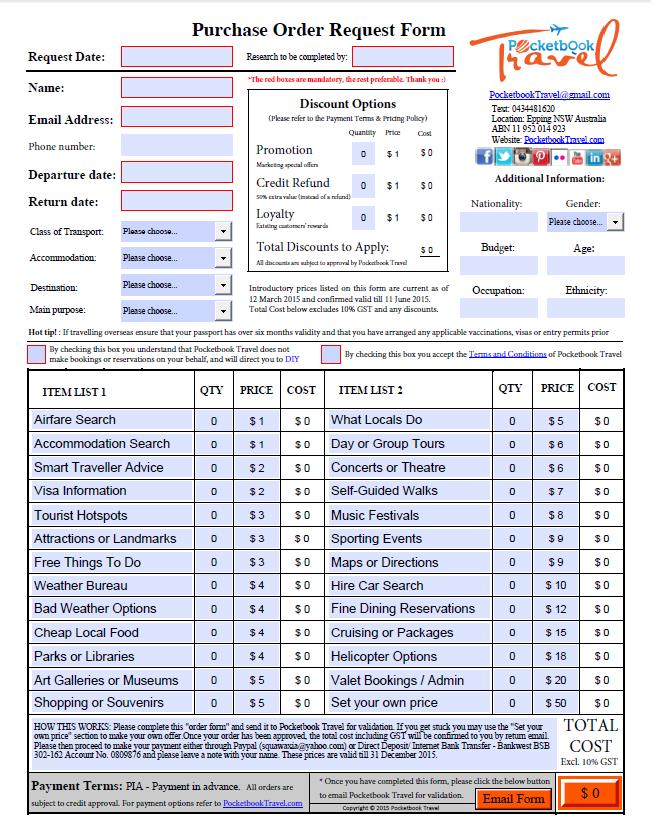
Typical components
Although formats vary by company and industry, most purchase orders include a consistent set of elements that make them useful for accounting and operations:
- Buyer and seller identification: legal names, contact details, and billing addresses. See buyer information for more context.
- Order number and date: a unique PO number and the issue date to support tracking.
- Line items: descriptions of goods or services, quantities, unit prices and SKU or part numbers; see item details.
- Delivery and shipping: requested delivery dates, locations, and shipping instructions.
- Payment and terms: agreed payment method, credit terms, taxes, and any discounts; consult payment terms.
- Special clauses: warranty, inspection, cancellation rights and reference to applicable contracts.
Types and lifecycle
Common PO types include standard (single purchase), blanket or standing orders (ongoing supply at agreed terms), and planned or release orders tied to forecasts. The typical lifecycle runs from requisition and internal approval to issuance, supplier acceptance, fulfillment, goods receipt, invoice matching and final payment. Increasingly these steps are automated in enterprise resource planning (ERP) and e‑procurement systems to reduce manual errors.
Legal status and benefits
A purchase order can serve as enforceable evidence of the parties’ agreement when it is accepted by the seller; many jurisdictions treat an accepted PO as forming part of the contractual record. The document helps organizations control budgets, standardize procurement, support audit trails and ease three‑way matching (PO, receipt, invoice) in accounts payable. For legal considerations and model clauses, consult contract and procurement guidance.
Uses, examples and practical notes
POs are used by businesses of all sizes, government agencies and non‑profits to manage purchases from office supplies to capital equipment. In practice, creating clear line‑item descriptions, specifying delivery windows and keeping consistent PO numbering are small steps that reduce disputes and speed payment. For templates, purchasing policies and sample workflows see PO templates and supplier portals at vendor onboarding.
While a PO is closely related to invoices and contracts, it is distinct: an invoice requests payment for goods or services provided, whereas the PO is the buyer’s initial order document. Understanding these distinctions helps organizations reduce procurement friction and maintain reliable supplier relationships.
Related articles
Author
AlegsaOnline.com Purchase order: definition, components, process, and practical uses Leandro Alegsa
URL: https://en.alegsaonline.com/art/80123
Sources
- finance.ubc.ca : "Home - UBC Finance"
- commons.wikimedia.org : Purchase orders