
Quotation mark
Punctuation marks used in pairs to indicate speech, quotations, titles, emphasis, or irony; appear as single or double and as straight or typographic forms with language-dependent rules.
Overview
Quotation marks, also called inverted commas, are paired punctuation signs used to indicate direct speech, quotations, titles of short works, or words used in an unusual or non-literal way. They generally appear as either single marks (‘…’) or double marks (“…”). In printed and digital text they serve to separate material that would otherwise be part of the surrounding sentence and to signal that the enclosed words are taken from another source or used with special intent.
Image gallery
4 Images
Forms and appearance
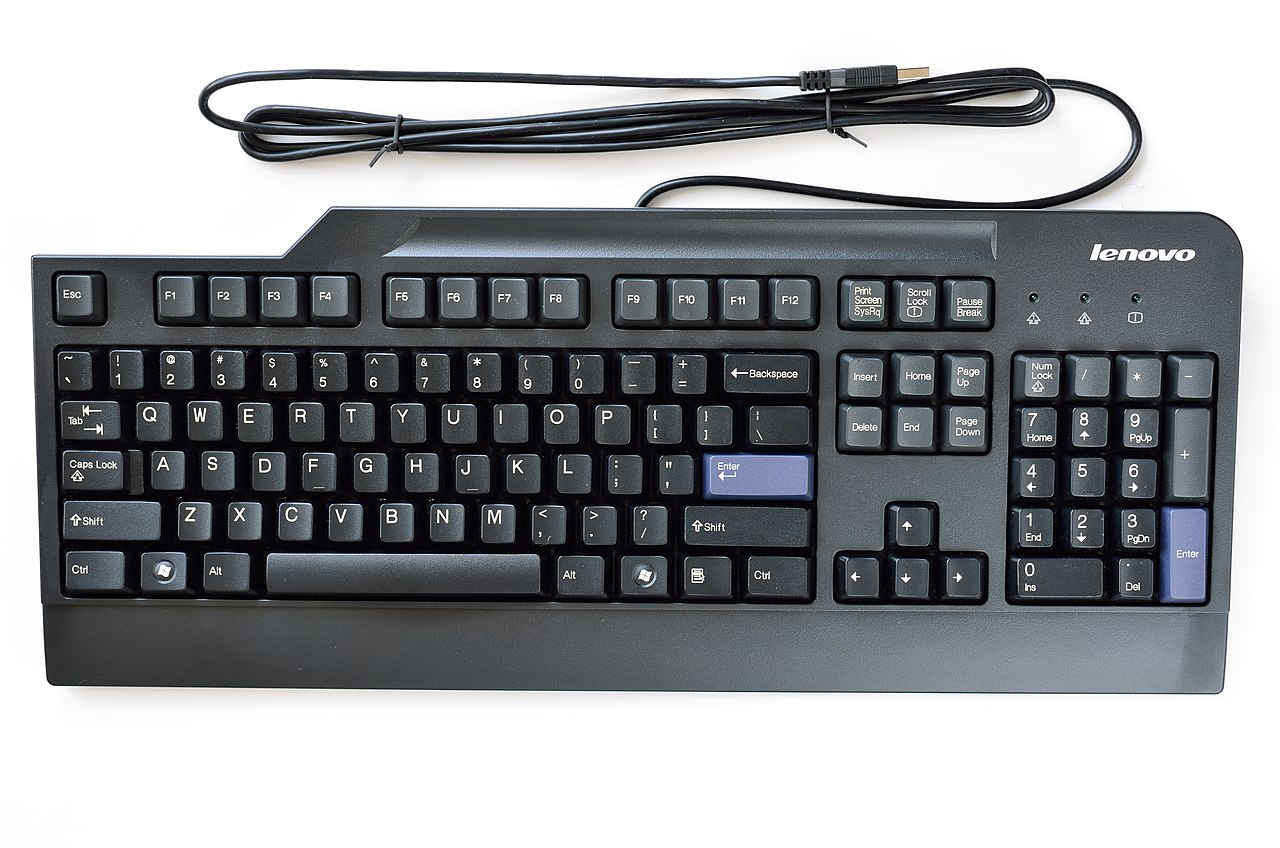
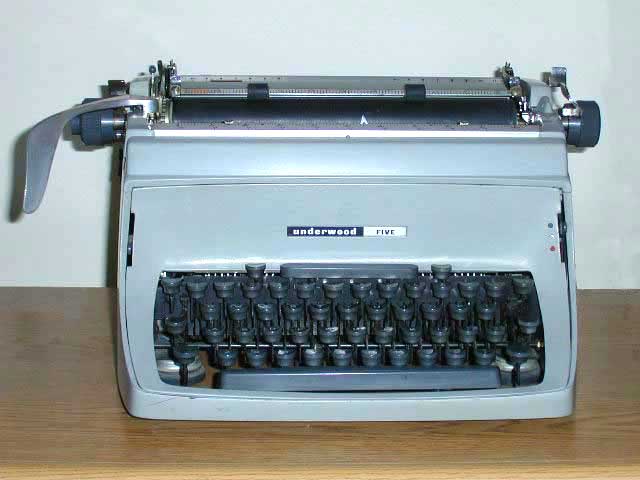
There are two broad visual styles. "Straight" or vertical quotation marks look the same for opening and closing positions and are common in plain-text environments and older typewriters. "Typographic" or curly quotation marks are designed with distinct opening and closing shapes that improve readability in typeset text. The closing single quotation mark closely resembles the apostrophe; the three characters are similar in shape but have different functions and codes in most modern character sets. For more on visual design see typeface resources.
Common uses and conventions
- Direct speech and dialogue: enclose a speaker's words.
- Quotations: indicate verbatim material taken from another source.
- Titles and names: mark short works such as articles, poems, or songs in some style guides.
- Scare quotes: signal irony, skepticism, or nonstandard usage.
- Programming and data: in many computer languages straight single or double marks delimit string literals or identifiers.
Rules, nesting, and punctuation placement
Different languages and style guides set rules for which style to use (single or double) and where to place adjacent punctuation such as commas and periods. In American English, periods and commas are typically placed inside closing quotation marks; in British English the punctuation may be placed inside or outside depending on whether it belongs to the quoted material. When quotations appear inside quotations, a typical convention is to alternate double and single marks: “She said, ‘I’ll be there’.” In longer quotations, writers often use block quotation formatting without surrounding quotation marks.
History and typographic considerations
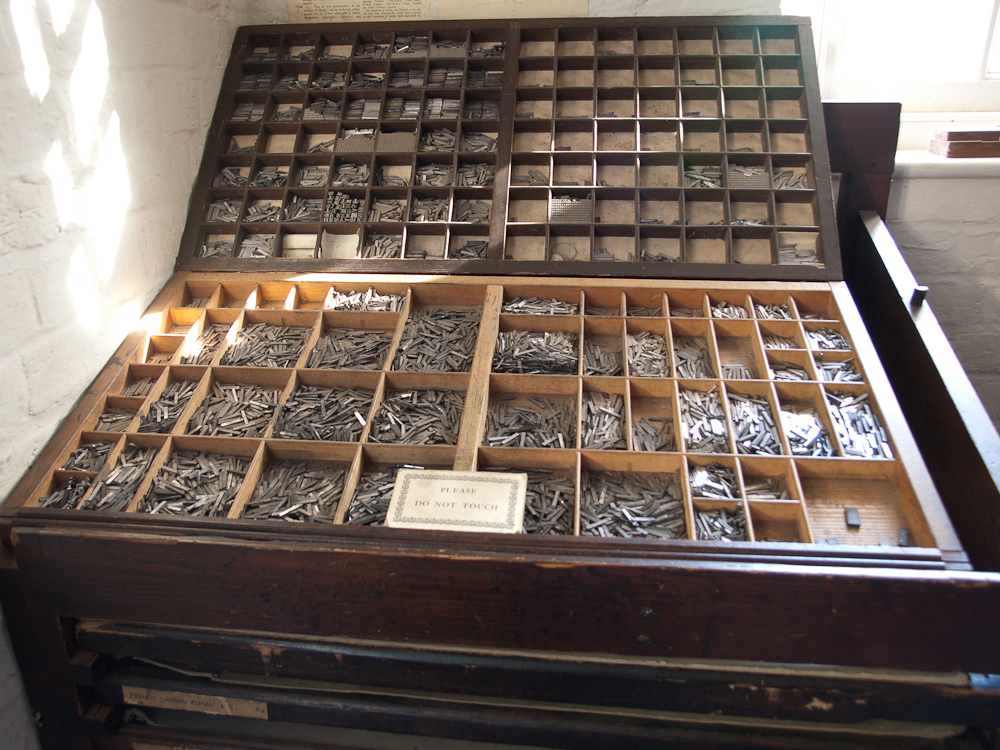
Quotation marks developed alongside printing practices; early printers used various marks and placements before conventions standardized. With the rise of digital text, straight quotes became commonplace because of keyboard limitations, and modern word processors offer "smart quotes" that convert straight marks into typographic ones. Nonetheless, in code, data formats, and plain-text communication, straight marks remain the norm for compatibility and stability. For a general definition in the context of writing, see materials on punctuation.
Distinctions and related symbols
Quotation marks should not be confused with the apostrophe, which indicates omission or possession, or with prime symbols, which denote feet, minutes, or derivatives. The closing single quotation mark often looks like an apostrophe, so care is needed when choosing the correct character for typeset text. For more about the apostrophe and how it differs, consult a guide on the apostrophe.
Questions and answers
Q: What are quotation marks?
A: Quotation marks, also known as quotes or speech marks, are punctuation marks used in pairs to mark a section of text as speech, a quotation, a phrase, or an unusual word.
Q: What form do they come in?
A: Quotation marks come in either single (‘…’) or double (“…”) forms.
Q: How can the opening and closing quotation marks differ?
A: The opening and closing quotation marks can be identical in form (called “vertical” or “straight” or “typewriter” quotation marks), or they may be distinctly left-handed and right-handed (“typographic” or, colloquially, “curly” quotation marks).
Q: How is the closing single quotation mark similar to other characters?
A: The closing single quotation mark is identical or similar in form to the apostrophe and prime symbol.
Q: How do these three characters differ from one another?
A: These three characters have quite different purposes.
Q: What is the purpose of ditto mark?
A: A ditto mark is used to indicate that something should be repeated from a previous statement; it's like saying "same as above".
Tags
Related articles
Author
AlegsaOnline.com Quotation mark Leandro Alegsa
URL: https://en.alegsaonline.com/art/80616