
Public–private partnership (PPP)
A public–private partnership is a formal collaboration in which government and private firms share responsibilities to deliver public services or infrastructure; common models, uses, benefits and criticisms explained.
A public–private partnership (PPP) is a cooperative arrangement in which the public sector and private parties agree to share tasks, risks and rewards in delivering services or infrastructure. At its core a PPP is a contract that defines roles, performance targets and payments between the public sector and a private company, often involving long-term commitments. Governments (public authorities) may use PPPs to provide services such as education, transportation projects, utilities, or other public goods while preserving private management and finance. Proponents argue PPPs harness the efficiencies of the free market while delivering public objectives.
Image gallery
10 Images








Key characteristics and common models
PPPs vary widely in scope and structure, but several features are typical: a legally binding agreement, defined performance standards, shared financial responsibility, and mechanisms for monitoring and penalties. Common models include:
- Service contracts and management contracts, where private firms operate services for a fee while the public sector retains ownership.
- Concessions and leases, granting a private partner the right to operate and collect revenue for a defined term.
- Design–build–finance–operate (DBFO) or build–operate–transfer (BOT) arrangements, in which a private party builds infrastructure, operates it, and eventually transfers ownership.
- Joint ventures and special-purpose vehicles created to pool public and private resources and expertise.
Historical development
The modern PPP concept evolved from earlier forms of public contracting and private provision of public goods. Large-scale private participation in infrastructure grew in the late 20th century as governments sought ways to expand services without immediate public capital expenditure. Over time legal frameworks, procurement rules and financial instruments adapted to manage longer contracts and complex risk-sharing between sectors.
Uses, benefits and examples
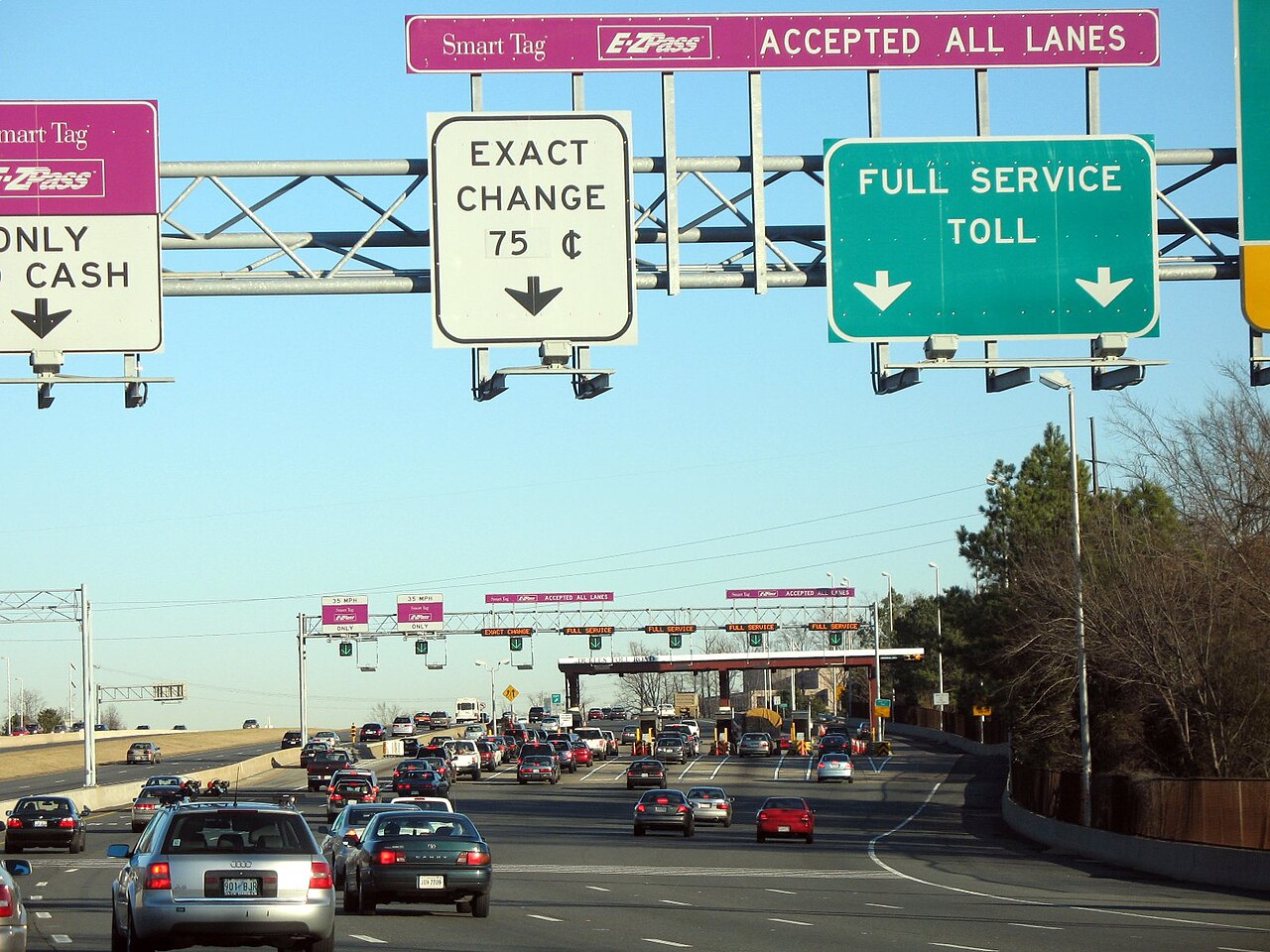
PPPs are used for highways, airports, hospitals, schools, water systems and urban regeneration projects. Supporters cite advantages such as accelerated delivery, innovation from private firms, and shifting certain construction or revenue risks away from taxpayers. Examples range from toll roads managed under concessions to privately designed school facilities financed and maintained under long-term agreements.
Criticisms, risks and governance
Critics warn of potential drawbacks: costs can exceed estimates, complex contracts may hide liabilities, long terms can lock public authorities into unfavorable conditions, and the public interest may be affected if profit motives override access or quality. Effective PPPs therefore require transparent procurement, clear accountability, strong performance monitoring, and contingency provisions for contract change or termination.
Distinctions and notable facts
PPPs are distinct from outright privatization because ownership of core assets often stays public or is returned after a term. They are not a single technique but a toolkit of contractual arrangements with varying degrees of private involvement. Practitioners emphasize tailoring the model to the project’s risk profile, public policy goals and fiscal context to balance efficiency with public accountability.
For further reading on contract design, stakeholder roles and case studies see resources linked by topic: contract frameworks, public sector guidance, government policy, private sector participation, education projects, transportation examples, and market-based arguments.
Related articles
Author
AlegsaOnline.com Public–private partnership (PPP) Leandro Alegsa
URL: https://en.alegsaonline.com/art/79912