
Province of Santa Cruz de Tenerife
Spanish province in the western Canary Islands including Tenerife, La Palma, La Gomera and El Hierro. Known for volcanic landscapes, tourism, protected parks and maritime connections.
The Province of Santa Cruz de Tenerife is one of Spain's provincial divisions and forms the western portion of the autonomous community of the Canary Islands. Located off the northwest coast of Africa, the province comprises four main islands—Tenerife, La Palma, La Gomera and El Hierro—and covers about 3,381 km2. Its name comes from the city of Santa Cruz de Tenerife, the provincial capital, and it shares the archipelago's distinct subtropical climate, volcanic geology and maritime economy.
Image gallery
4 Images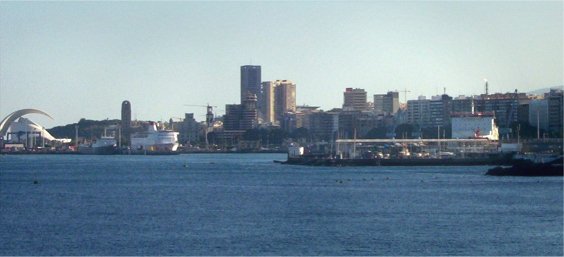


Geography and constituent islands
- Tenerife: the largest and most populous island in the province, home to Mount Teide, the highest peak in Spain and a striking volcanic landmark.
- La Palma: a steep, green island known for its deep ravines, dark-sky observatory facilities and active volcanism.
- La Gomera: a smaller, rugged island with ancient laurel forests and well-preserved traditional culture.
- El Hierro: the smallest of the four, noted for its dramatic cliffs, marine biodiversity and renewable-energy initiatives.
The islands are of volcanic origin and belong to the biogeographic region of Macaronesia. Climate varies with altitude and exposure: coastal areas are generally warm and dry, while higher altitudes receive more moisture and sustain distinct plant communities.
History and cultural background
Long before Spanish integration, the islands were inhabited by indigenous peoples who developed unique languages and customs adapted to island life. European contact and later conquest in the late medieval period brought major changes in governance, demography and land use. Over subsequent centuries the islands served as stopover points for Atlantic navigation and developed agricultural and maritime traditions. Today Canarian Spanish, with its own phonetic features and vocabulary, is the everyday language of most residents.
Economy, transport and importance
Tourism is a principal economic driver across the province, attracting visitors for beaches, hiking, cultural festivals and astronomical observation. Agriculture remains important locally, including fruit cultivation and vineyards in favorable valleys. Ports and ferry links connect the islands internally and to the European mainland, while several airports provide air links. The province plays a strategic role in Spain's Atlantic presence and in regional maritime trade.
Environment, protected sites and notable facts
The province contains several protected areas and national parks that conserve volcanic landscapes, endemic flora and rich marine life. Notable landmarks include Mount Teide on Tenerife and the laurel forests of La Gomera; observatories on La Palma are internationally recognized for astronomical research. Conservation and sustainable tourism are ongoing priorities, as the islands balance visitor demand with habitat protection. Administratively, the province is one of two that make up the autonomous community; it is distinct from the neighbouring Province of Las Palmas in its composition and western location within the archipelago.
For further context on the broader political and geographic setting, see Spain, the autonomous community framework, the Canary Islands archipelago, and detailed information on Tenerife. These resources provide expanded coverage of history, administration and visitor information.
Related articles
Author
AlegsaOnline.com Province of Santa Cruz de Tenerife Leandro Alegsa
URL: https://en.alegsaonline.com/art/79694
Sources
- webtenerife.com : Auditorio de Tenerife (in Spanish)