
Province of Reggio Calabria: geography, history and cultural significance
Former southern Italian province centered on Reggio Calabria city, known for its coastal landscapes, Aspromonte massif, Magna Graecia heritage and archaeological treasures such as the Riace Bronzes.
Overview
The Province of Reggio Calabria was an administrative territory in southern Italy centered on the city of Reggio Calabria. Located at the "toe" of the Italian peninsula, it occupied a strategic position along the Strait of Messina. The area forms part of Calabria and lies within the modern state of Italy. The name is still widely used in cultural and geographic descriptions, though administrative reforms replaced the province with a metropolitan entity in recent years; many texts and guides continue to refer to the traditional province for clarity.
Image gallery
5 Images

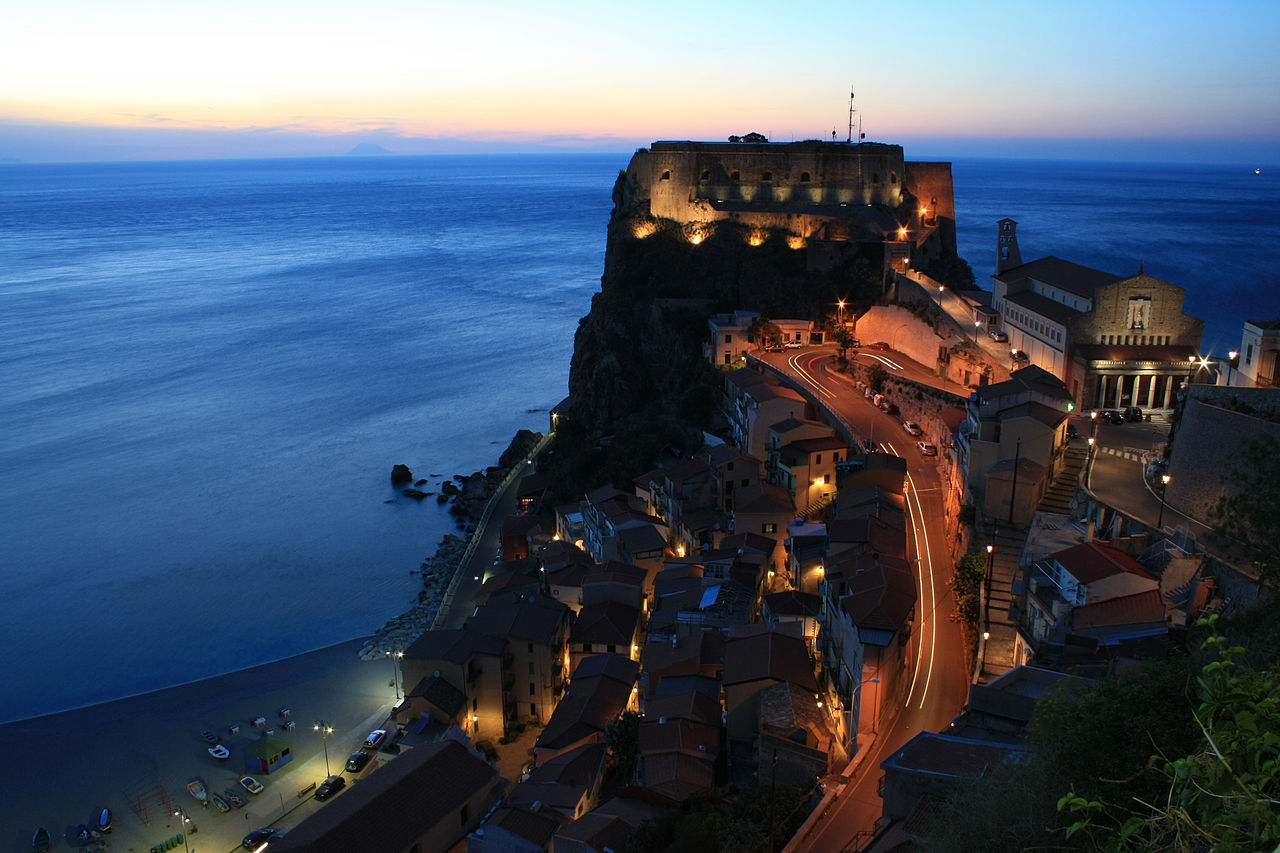


Geography and environment
The territory includes rugged coastline, coastal plains and the Aspromonte mountain massif inland. The Strait of Messina separates the province from Sicily, shaping local climate, maritime routes and fishing communities. Vegetation ranges from Mediterranean scrub along the shore to forested slopes and highland pastures on the mountains. Its varied landscape supports biodiversity, coastal fisheries and small-scale agriculture.
History and culture
This area has deep historical roots in Magna Graecia and later Roman, Byzantine and Norman periods; archaeological sites and local traditions preserve those layers. The city museum is internationally known for ancient bronzes and artifacts that illustrate the region's classical past. Cultural life blends Greek-derived local dialects, religious festivals and culinary traditions such as olive oil and citrus products.
Economy, transport and notable features
Economically the area has relied on agriculture, fishing, tourism and light industry. Key transport links include coastal roads, ferry crossings of the strait and regional rail connections that link communities along both sea faces. Notable attractions and sites include archaeological collections and scenic mountain trails in the Aspromonte range. For administrative and practical information see the local provincial resources: Provincial portal, regional pages at Calabrian information and national overviews at Italian services.
Distinctive facts
- The area acts as a cultural crossroads between mainland Italy and Sicily.
- Archaeological finds link the region to ancient Greek colonization.
- Landscape diversity—from seashore to mountain—shapes local livelihoods and tourism.
Related articles
Author
AlegsaOnline.com Province of Reggio Calabria: geography, history and cultural significance Leandro Alegsa
URL: https://en.alegsaonline.com/art/79686