
Prophylaxis
Prophylaxis: measures and practices intended to prevent disease, injury, or other adverse outcomes, spanning medical, public health, and everyday contexts.
Overview
Prophylaxis is the practice of taking measures in advance to prevent disease, injury, or unwanted outcomes. The word derives from Greek and is often described in classical texts as guarding beforehand; see etymology and related concept discussions at reference sources. The adjective form is prophylactic, and the noun also appears as prophylactic(s) when referring to barrier devices or preventive agents.
Image gallery
6 Images




Categories and approaches
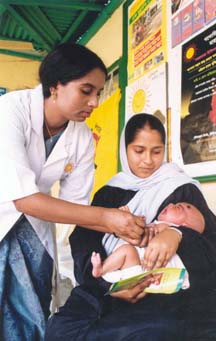
In health care and public policy, prophylaxis is commonly divided into stages: primary prevention to stop a condition from occurring, secondary prevention to detect and halt progression at an early stage, and tertiary prevention to limit complications once a condition is established. Methods vary from behavioural interventions and vaccines to chemicals and devices.
Common examples
- Vaccination programs to prevent infectious diseases.
- Barrier methods (for example, condoms) used to reduce transmission of sexually transmitted infections.
- Chemoprophylaxis such as antimalarial drugs taken before travel to endemic areas, or antibiotics given before surgery to prevent infection.
- Dental prophylaxis (professional cleaning) to prevent tooth decay and gum disease.
History and development
Ideas of prophylaxis date back to ancient medical traditions that emphasized hygiene and diet as prevention. Over centuries, the concept expanded with germ theory, vaccines, antisepsis, and modern public health infrastructure, shifting prevention from folk practice to evidence-based interventions.
Distinctions and considerations
Prophylaxis differs from treatment by aiming to avert rather than cure disease. Decisions about prophylactic measures balance efficacy, safety, cost, and potential harms—such as antimicrobial resistance from widespread antibiotic prophylaxis. Ethical and policy choices also arise when interventions are offered at population scale.
Importance and application
Prevention is a cornerstone of health systems because effective prophylaxis reduces illness, disability, and downstream costs. In clinical practice, targeted prophylaxis—like pre-exposure prophylaxis (PrEP) for high-risk individuals—illustrates how preventive strategies are tailored to circumstances and evidence.
Related articles
Author
AlegsaOnline.com Prophylaxis Leandro Alegsa
URL: https://en.alegsaonline.com/art/79457