
Kilmarnock, East Ayrshire, Scotland
Kilmarnock (locally Killie) is a large town in East Ayrshire, Scotland. Noted for its industrial history, cultural landmarks and as the birthplace of the 'Kilmarnock Edition' of Robert Burns.
Overview
Kilmarnock (Scottish Gaelic: Cill Mheàrnaig, commonly called Killie) is a sizeable town and former royal burgh in East Ayrshire, Scotland. It lies roughly between Glasgow and Ayr, and is one of the largest population centres in Ayrshire. The town is traversed by the River Irvine and the smaller Kilmarnock Water; features such as Bank Street reflect this riverside geography.
Image gallery
10 Images


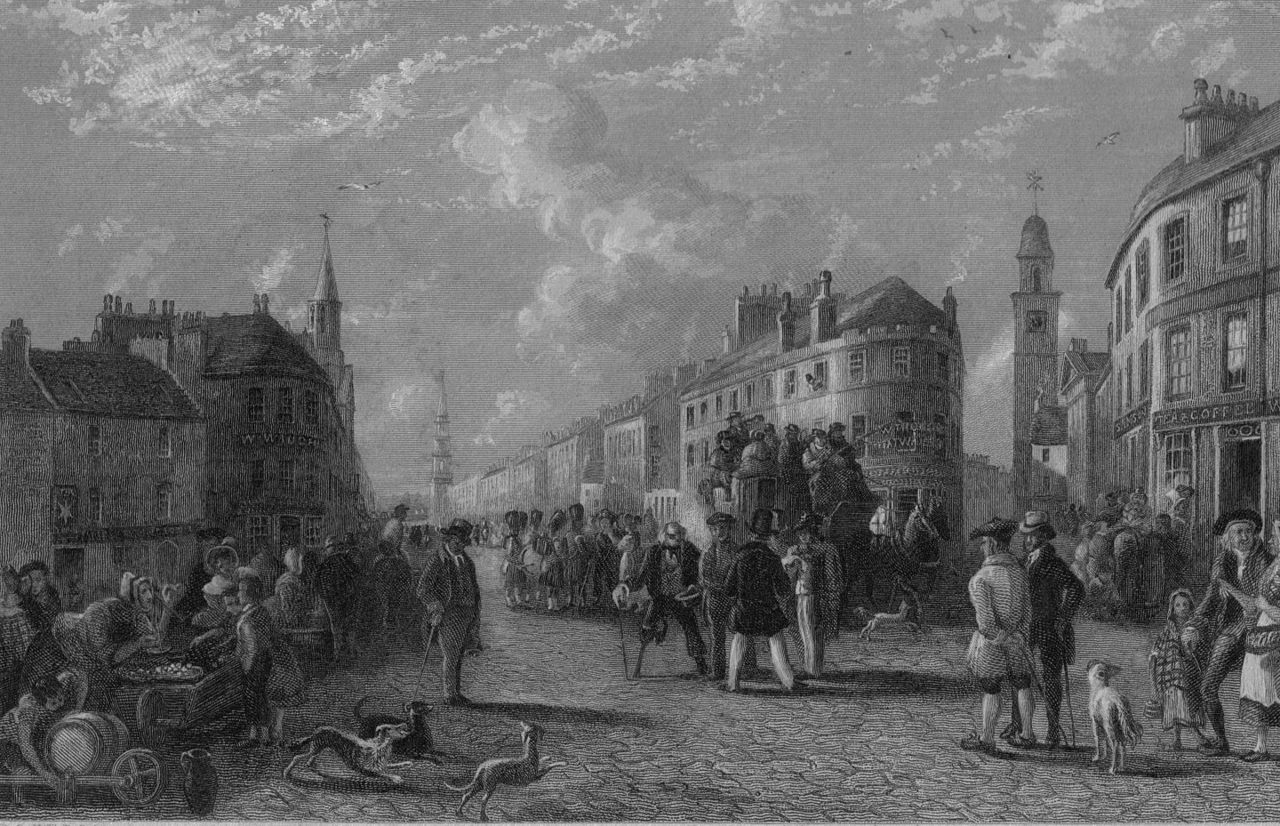


History and development
Kilmarnock grew from a medieval settlement into an important market town and industrial centre. By the 18th and 19th centuries it had developed textile, engineering and manufacturing trades. Kilmarnock has a notable literary link: the first printed edition of Robert Burns's poems, often called the "Kilmarnock Edition," was issued here, boosting the town's cultural profile. Over time the local economy shifted as heavy industry declined and services and retail trade became more prominent.
Economy, transport and built character
Historically centred on mills, coal and textile works, modern Kilmarnock hosts a mix of light industry, commercial services and public administration. Transport links are strong for a town of its size: rail and bus services connect it with Glasgow and coastal Ayr, and roads provide regional links. The rivers and older streets create a mix of civic buildings, Victorian terraces and post-war housing with pockets of regeneration projects in recent decades.
Culture, sport and landmarks
Kilmarnock offers museums, galleries and parks that reflect local history and art. The Dick Institute is an example of a combined library, museum and gallery that serves the community. Sport plays a significant role: Kilmarnock Football Club (nicknamed Killie) is one of Scotland's oldest senior clubs and plays at Rugby Park. Public monuments and memorials, including those celebrating Robert Burns, contribute to the town's identity.
Notable facts and traditions
- The "Kilmarnock Edition" of Burns's poems remains a celebrated literary milestone associated with the town.
- The term "Kilmarnock bonnet" has been used historically to describe a style of Scottish cap produced in the region.
- Commercial enterprises originating in Kilmarnock, such as small grocers and distillers, contributed to wider Scottish trade and brands.
Visiting and significance
Visitors encounter a town with layered history, from riverside streets to civic museums and sports traditions. Kilmarnock functions as a local administrative and service hub within the wider Ayrshire area, and its cultural and industrial heritage continues to shape community life.
For more detailed information about the town's Gaelic name, administrative status, regional setting and nearby cities, see references to Cill Mheàrnaig, its former burgh status, East Ayrshire, Scotland, and links to Glasgow, Ayr and wider Ayrshire.
Questions and answers
Q: What is the population of Kilmarnock?
A: The population of Kilmarnock is 44,170 people.
Q: Where is Kilmarnock located?
A: Kilmarnock is located in East Ayrshire, Scotland.
Q: What language do people in Kilmarnock speak?
A: People in Kilmarnock speak Scottish Gaelic and English.
Q: Is it the largest town in Ayrshire?
A: No, it is the second largest town in Ayrshire.
Q: Are there any rivers that run through Kilmarnock?
A: Yes, the River Irvine runs through its eastern section and the Kilmarnock Water passes through it.
Q: How did the town get its name 'Bank Street'?
A: The town got its name 'Bank Street' from the fact that the Kilmarnock Water passes through it.
Related articles
Author
AlegsaOnline.com Kilmarnock, East Ayrshire, Scotland Leandro Alegsa
URL: https://en.alegsaonline.com/art/123714
Sources
- gaelicplacenames.org : Kilmarnock
- gro-scotland.gov.uk : "Mid-2006 Population Estimates for Localities in Scotland"
- news.bbc.co.uk : "Huge rise in Scots house prices"
- futuremuseum.co.uk : "Architecture Kilmarnock"
- futuremuseum.co.uk : "Dean Castle"
- east-ayrshire.gov.uk : "Kay Park"
- killiefc.com : "Kilmarnock Football Club roots"
- corbett5.freeserve.co.uk : "Lady's Walk - Howard Park"
- futuremuseum.co.uk : "The Palace Theatre, Kilmarnock"
- litencyc.com : Literary Encyclopedia: William McIlvanney
- gdl.cdlr.strath.ac.uk : Who's Who in Glasgow in 1909: WILLIAM FINDLAY [ebook chapter] / George Eyre-Todd, 1909
- east-ayrshire.gov.uk : "Town Twinning"
- citypopulation.de : City Population: Great Britain and Northern Ireland: Scotland