
Problem of Evil
An overview of the philosophical and theological problem of evil: definitions, historical development, main formulations (moral vs natural; logical vs evidential), standard responses, and significance for belief and practice.
The problem of evil asks how the existence of suffering, wrongdoing, and disaster can be reconciled with the idea of a supremely good, all-knowing, and all-powerful deity. Discussions often distinguish the moral and natural dimensions of suffering and use different argumentative frames. Debates about evil touch theology, ethics, metaphysics, and human experience and are central to the philosophy of religion and pastoral reflection.
Image gallery
4 Images


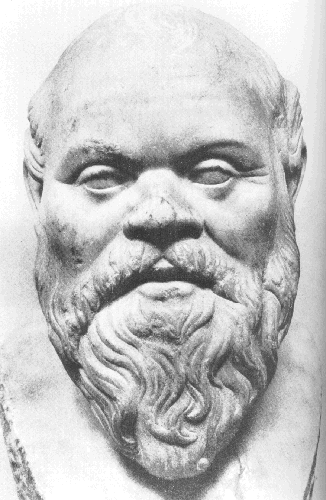
Core distinctions
Two basic contrasts help clarify the issue. First, moral evil refers to harms produced by agents (murder, deceit, injustice) while natural evil denotes suffering from events without direct human intention (earthquakes, disease). Second, the problem is framed either as a logical challenge—claiming that the traditional conception of God is inconsistent with pervasive suffering—or as an evidential/probabilistic challenge—arguing that the amount or kinds of suffering make God's existence unlikely.
Historical background
Questions about suffering and divine justice appear across many traditions. Ancient thinkers raised puzzling tensions; early Christian and Jewish writers debated whether suffering was punishment, a test, or a privation of the good. Augustine developed a privation account that treats evil not as a thing in itself but as a lack or corruption of good. Other voices, such as Irenaean theodicies, emphasized development of moral and spiritual maturity through trials. In modern philosophy the problem was sharpened by critics and defenders alike, including influential contemporary responses that attempt to show compatibility between human freedom and the presence of evil.
Principal responses
- Free will defense: Argues that a world containing free agents capable of genuine moral choice will allow moral evils; such freedom may be a greater good that justifies risks of wrongdoing. See discussions of free will.
- Soul-making theodicy: Suggests suffering can contribute to moral and spiritual growth rather than merely functioning as punishment.
- Privation theory: Holds that evil is the absence or corruption of good, not a created substance—an approach associated with some classical theological accounts.
- Skeptical theism: Counsels epistemic humility: limited human knowledge may prevent us from seeing good reasons for specific instances of suffering.
- Alternative divine attributes: Some responses modify traditional attributes—denying omnipotence, omniscience, or perfect benevolence—or adopt process-oriented views of deity.
Practical and philosophical significance
The problem of evil has practical implications for religious faith, pastoral care, ethics, and public debate. It motivates charitable responses to suffering, informs doctrines about redemption and justice, and shapes whether and how people trust religious claims. Philosophically, it has spawned refined arguments about logical consistency, probability, and the limits of human understanding.
Notable cautions and continuing debate
There is no single consensus solution. Some find the free will defense compelling; others emphasize the evidential force of large-scale or seemingly gratuitous suffering. Scholars continue to evaluate historical theodicies and propose new frameworks. Readers interested in further study can consult overviews and specialized literature via introductory resources and academic reviews, for example general entries on God, comparative discussions in religions, and treatments of related concepts at links about moral agency (free will) and traditional accounts of fallenness (fallen).
Questions and answers
Q: What is the problem of evil?
A: The problem of evil is the question of whether evil exists and if it disproves the existence of God.
Q: Are there any religions that believe in an all-loving, all-knowing, and all-powerful God?
A: Yes, there are certain religions that believe in an all-loving, all-knowing, and all-powerful God.
Q: What is the question that arises for religions that believe in an all-loving and all-powerful God?
A: The question is how an all-loving and all-powerful God could allow evil to exist.
Q: What are some responses to the problem of evil?
A: Responses include the argument that if there is free will, evil must necessarily exist; that humans cannot understand God; that evil is simply being without God; or that there is evil because the world is corrupted and fallen from grace.
Q: Why do some argue that the existence of free will is related to the existence of evil?
A: Some argue that the existence of free will is related to the existence of evil because if free will is given to individuals, they can choose to commit evil acts.
Q: Can humans understand God according to some responses to the problem of evil?
A: No, according to some responses to the problem of evil, humans cannot understand God.
Q: Why might some religions argue that the world is corrupted and fallen from grace?
A: Some religions might argue that the world is corrupted and fallen from grace to explain the existence of evil.
Related articles
Author
AlegsaOnline.com Problem of Evil Leandro Alegsa
URL: https://en.alegsaonline.com/art/79312
Sources
- plato.stanford.edu : plato.stanford.edu/entries/evil/
- iep.utm.edu : The evidential problem of evil
- iep.utm.edu : The logical problem of evil