
Poyang Lake — China's largest freshwater lake
Poyang Lake is China's largest freshwater lake, in Jiangxi Province. It fluctuates seasonally, supports important wetlands and migratory birds, and faces pressures from hydrological change, development and resource use.
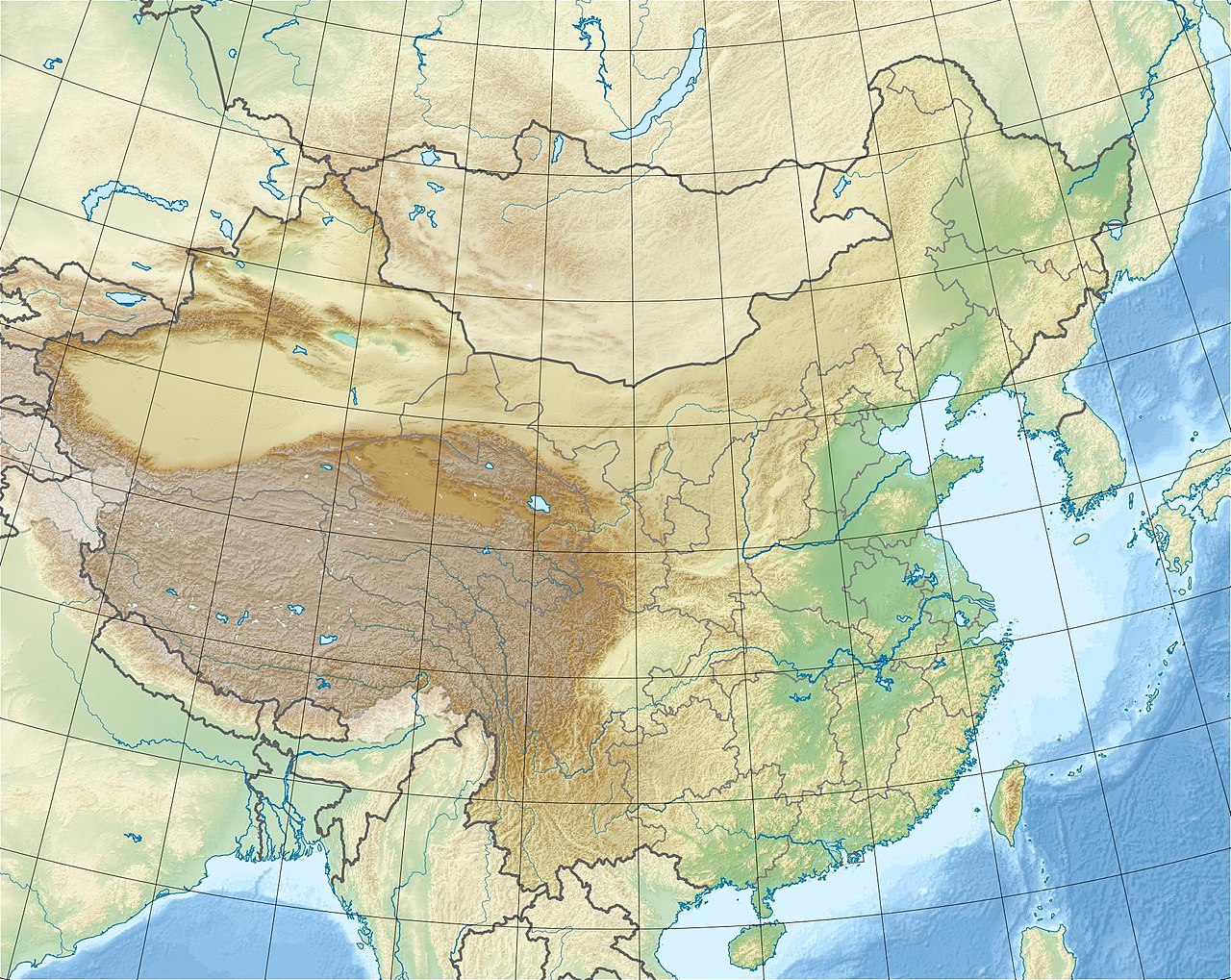
Poyang Lake is the largest freshwater lake in China, located in the northern part of Jiangxi Province. Its approximate coordinates are 29°05′N 116°17′E. The lake occupies a broad floodplain fed by several rivers and connected to the greater Yangtze system. Poyang plays a central role for regional water storage, fisheries, agriculture and wetland wildlife.
Image gallery
9 Images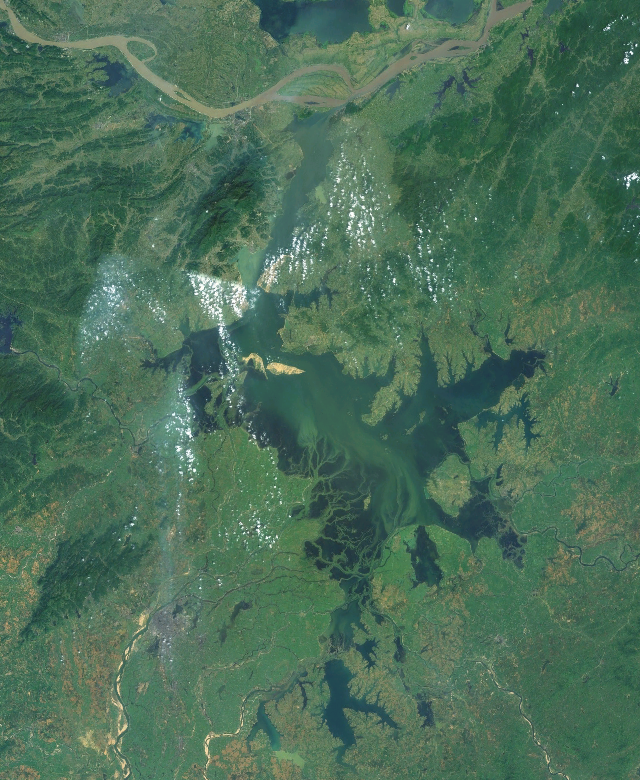




Hydrology and geography
Poyang receives inflow primarily from the Gan, Xin and Xiu rivers and links to the Yangtze River through a channel that allows exchange of water during high and low stages. The lake has no large, permanent outlet of its own: instead its surface area changes dramatically with the seasons, expanding in the summer flood season and shrinking in the winter dry months. Administratively the lake lies within Jiangxi Province in China and forms an extensive marshy landscape of connected basins, river channels and floodplain lakes.
History and changes
Historical sources indicate the size of Poyang has varied over centuries; during some periods, including records from the Tang dynasty, the lake covered much larger areas—historically reported figures describe maxima up to several thousand square kilometres. Modern estimates place the lake’s typical area in the low thousands of square kilometres; seasonal extremes can be large. In recent decades, hydrological projects on the Yangtze and extensive local water use have been associated with altered water levels and seasonal patterns. The operation of the Three Gorges Dam and regional water management are often discussed in research on recent changes to the lake’s dynamics.
Ecology, uses and importance
Poyang Lake contains important marshes and shallow-water habitats that support diverse fish populations and provide staging and wintering grounds for migratory waterfowl, including species of conservation concern such as the Siberian crane and other waterbirds. Local communities depend on the lake for fisheries, reed harvesting and irrigation, while the wetlands also provide natural flood attenuation and nutrient cycling.
Threats and conservation
The lake faces several pressures: seasonal water-level alteration, sand extraction, intensive agriculture, infrastructure development and climate variability. These drivers can reduce wetland area, change sedimentation patterns and affect fish and bird habitats. Conservation and management responses combine protected-area designations, research monitoring and coordinated river-lake management aimed at balancing livelihoods, biodiversity conservation and flood control.
Notable facts
- Largest freshwater lake in China by typical surface area and an important national wetland.
- Located at 29°05′N 116°17′E and administered within Jiangxi Province of China.
- Closely tied to the Yangtze river system; modern infrastructure such as the Three Gorges Dam is often cited in discussions about recent hydrological change.
Related articles
Author
AlegsaOnline.com Poyang Lake — China's largest freshwater lake Leandro Alegsa
URL: https://en.alegsaonline.com/art/78569
Sources
- wldb.ilec.or.jp : "Poyang Lake"