
Avril K. Henry — English academic and assisted-dying activist
Avril K. Henry (1935–2016) was a British medievalist and campaigner for legal change on assisted dying whose death prompted public discussion about euthanasia, online availability of lethal means, and law reform.
Overview
Avril K. Henry (5 April 1935 – 20 April 2016) was an English academic and public campaigner best known for her advocacy on the issue of assisted dying. Trained as a scholar of medieval culture, she later became a vocal proponent of changing laws to permit some forms of assisted death for people with terminal or unremitting illness. In public descriptions she is often referred to as an activist on assisted-dying issues.
Image gallery
2 Images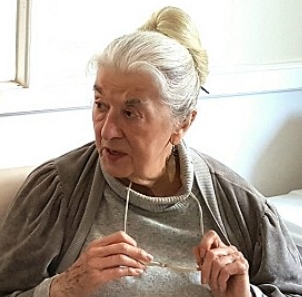

Academic career
Henry had a long association with the University of Exeter where she was a retired professor of English medieval culture. Her academic work focused on medieval literature and cultural history; she taught undergraduates and postgraduates and was involved in scholarly study of the period. Colleagues remembered her as an engaged teacher who combined scholarly interests with a concern for ethical and social questions.
Campaigning and views
Later in life Henry became active in debates over legalising assisted suicide and the use of euthanasia. She argued that people facing unbearable suffering should have options to control the timing and manner of their death, and she used public statements to draw attention to the limitations of existing law. Her stance placed her within a broader, contested public conversation in the United Kingdom about end‑of‑life choice, medical ethics, and the role of the state.
Circumstances of death
Henry died on 20 April 2016 at her home in Brampford Speke, Devon. Reports at the time said she took her own life using means that she had reportedly obtained online; those accounts indicated she had acquired a euthanasia kit prior to her death. Media coverage emphasised that acquiring such a kit would raise legal and ethical issues and contributed to renewed debate about the availability of lethal means on the internet.
Legacy and significance
Henry's case attracted attention because it combined an academic profile with deliberate public campaigning on a sensitive subject. Observers noted several points of significance:
- The intersection of scholarly life and civic activism in debates over assisted dying.
- Questions about how people access means to end their lives and how the law responds.
- Renewed public discussion about whether and how legislation should change to address autonomy, suffering, and safeguards.
Her death did not resolve those debates; instead, it became one of several cases cited in ongoing calls for clearer policy, better palliative care, and careful consideration of legal reform in the UK and elsewhere.
For further context on the topics raised by her life and death, see resources on end‑of‑life ethics, assisted-dying advocacy, and the legal framework in the United Kingdom (activism, assisted suicide, euthanasia).
Related articles
Author
AlegsaOnline.com Avril K. Henry — English academic and assisted-dying activist Leandro Alegsa
URL: https://en.alegsaonline.com/art/7787
Sources
- telegraph.co.uk : "Retired professor 'killed herself' days after police raid in search of imported drugs"
- theguardian.com : "Academic kills herself after importing 'euthanasia kit' illegally"
- theguardian.com : "Police raid pushed academic to end her life, says euthanasia advocate"
- exeterexpressandecho.co.uk : "Retired Exeter professor who campaigned for euthanasia to be legalised is found dead at home"
- independent.co.uk : "Professor 'killed herself with euthanasia kit bought online'"