
Polokwane — Capital of Limpopo, South Africa
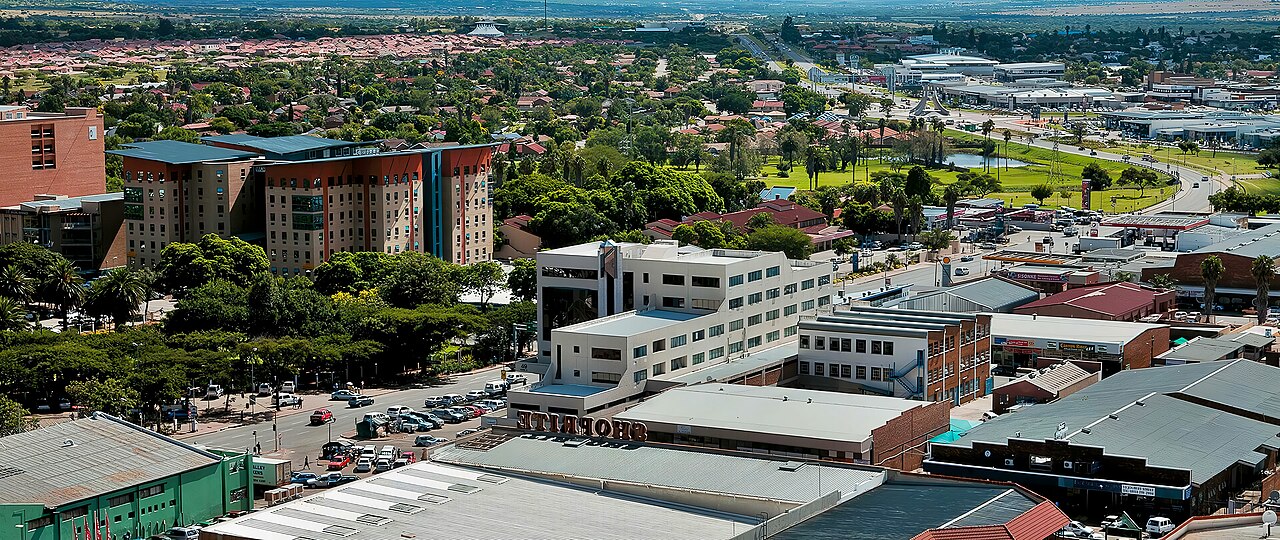
Polokwane is the capital of South Africa's Limpopo province. A regional administrative, commercial and transport centre, it links agriculture, mining and education and serves as a gateway to northern tourism.
Overview
Polokwane is the administrative capital of South Africa's Limpopo province. Located on the high interior plateau of the country, the city functions as a regional hub for government, commerce and services. It grew from a frontier settlement into a significant urban centre that supports surrounding agricultural and mining districts.
Image gallery
10 Images




Geography and climate
Polokwane sits on a relatively high plateau with warm, wet summers and cool, dry winters. Summer months commonly bring thunderstorm rainfall, while winter days are mild and nights can be cold, occasionally with frost in outlying areas. The surrounding landscape includes mixed farming areas and savanna that support cattle, crops and game reserves.
History and name
The town originated in the late 19th century and for many years was known by an Afrikaans name. In the early 21st century the official name was changed to Polokwane, a Northern Sotho name often rendered as "place of safety," reflecting a broader move to restore indigenous place names and recognise the region's multilingual heritage.
Economy and infrastructure
The local economy combines retail and services in the urban core with agriculture and mining in the surrounding district. Major national routes, including the N1, provide road links to Johannesburg and beyond, and the city is served by a regional airport and rail connections. Urban infrastructure includes a modern stadium and other facilities that have hosted national and international events.
Culture and demographics
Polokwane's population reflects Limpopo's linguistic diversity: Northern Sotho (Sepedi), Afrikaans and English are widely spoken alongside Venda, Tsonga and other languages. The city supports museums, cultural centres and tertiary training institutions, while markets and festivals celebrate crafts, cuisine and local music traditions.
Transport, sport and tourism
Polokwane acts as a gateway for tourists travelling to northern game reserves and national parks. Polokwane Stadium was among the venues used during South Africa's hosting of major international football events, and the city provides accommodations and services for visitors exploring the region.
Governance and development
As the provincial capital, Polokwane houses key provincial departments and municipal services. Like many growing urban centres, it faces challenges linked to urbanisation, infrastructure maintenance and economic development, and local authorities pursue planning and investment to improve service delivery and create opportunities.
Notable role
- Capital of Limpopo province and centre for provincial administration.
- Regional commercial and transport hub serving northern South Africa.
- Gateway for tourism to nearby game reserves and cultural attractions.
Related articles
Author
AlegsaOnline.com Polokwane — Capital of Limpopo, South Africa Leandro Alegsa
URL: https://en.alegsaonline.com/art/77820