
Polotsk: historic city on the Dvina River in Vitebsk Region, Belarus
Polotsk is an ancient city on the Western Dvina in Vitebsk Region, Belarus. A medieval East Slavic center, it retains notable churches, museums, and regional transport links.

Overview
Polotsk is a historic city in northern Belarus, situated on the banks of the Western Dvina (often called the Daugava). It serves as the administrative center of Polotsk District within Vitebsk (Vitsebsk) Region and today has a population of around 79,000. The city’s name appears in several languages; for example, Belarusian: По́лацк, Russian: Полоцк, and Polish: Połock. Its riverside location shaped Polotsk’s economic and cultural development from medieval times to the present.
Image gallery
10 Images


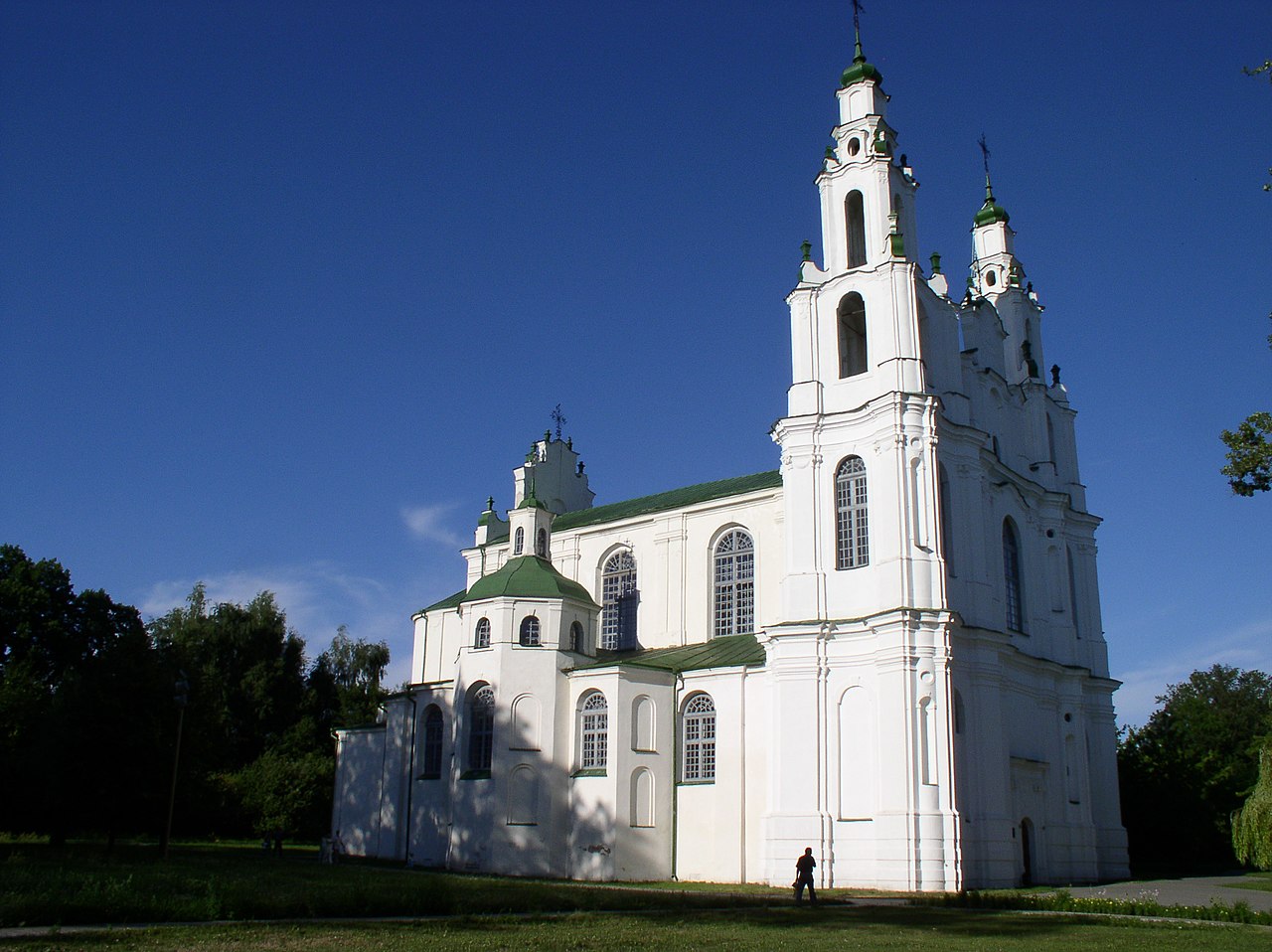
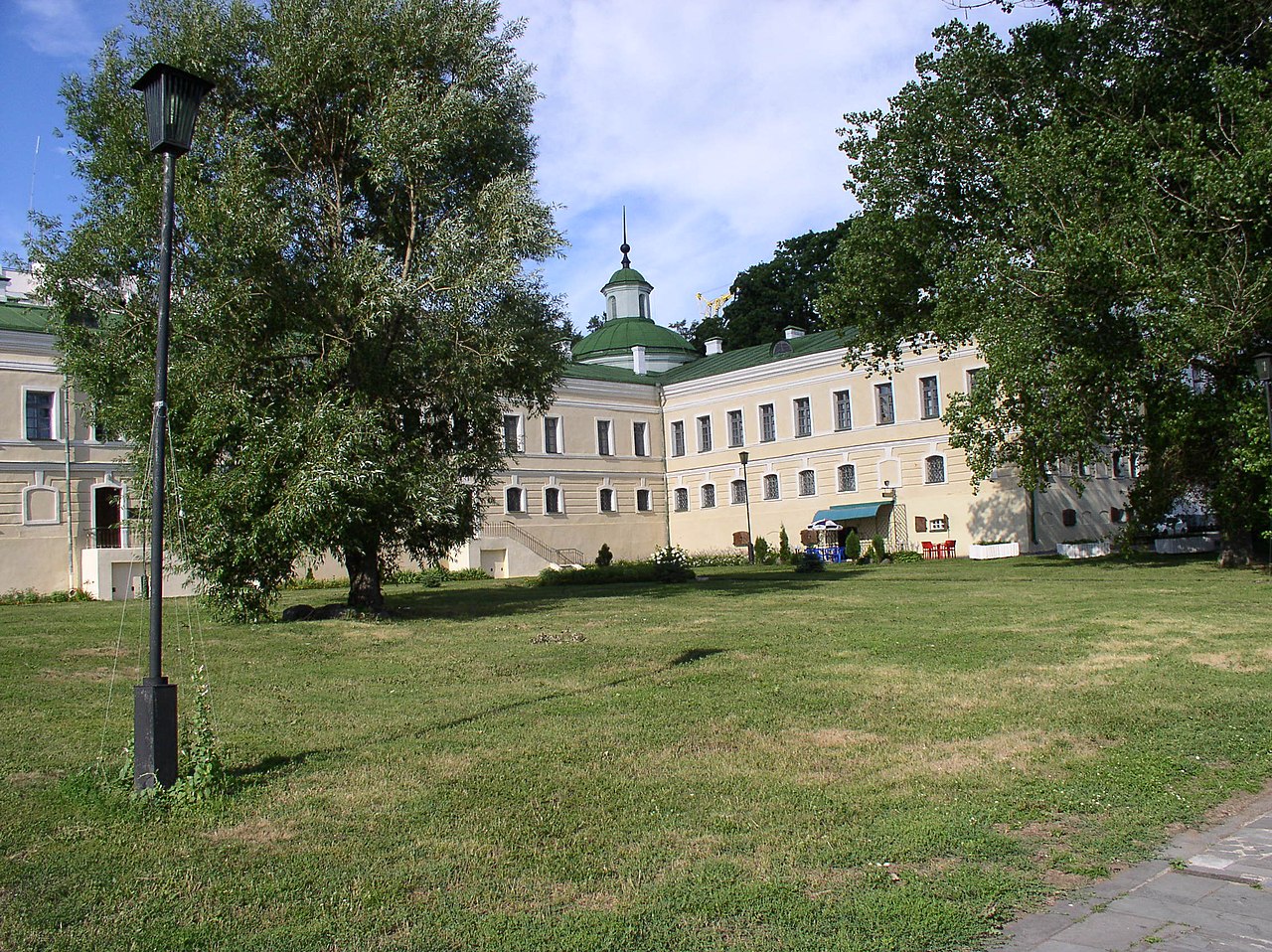


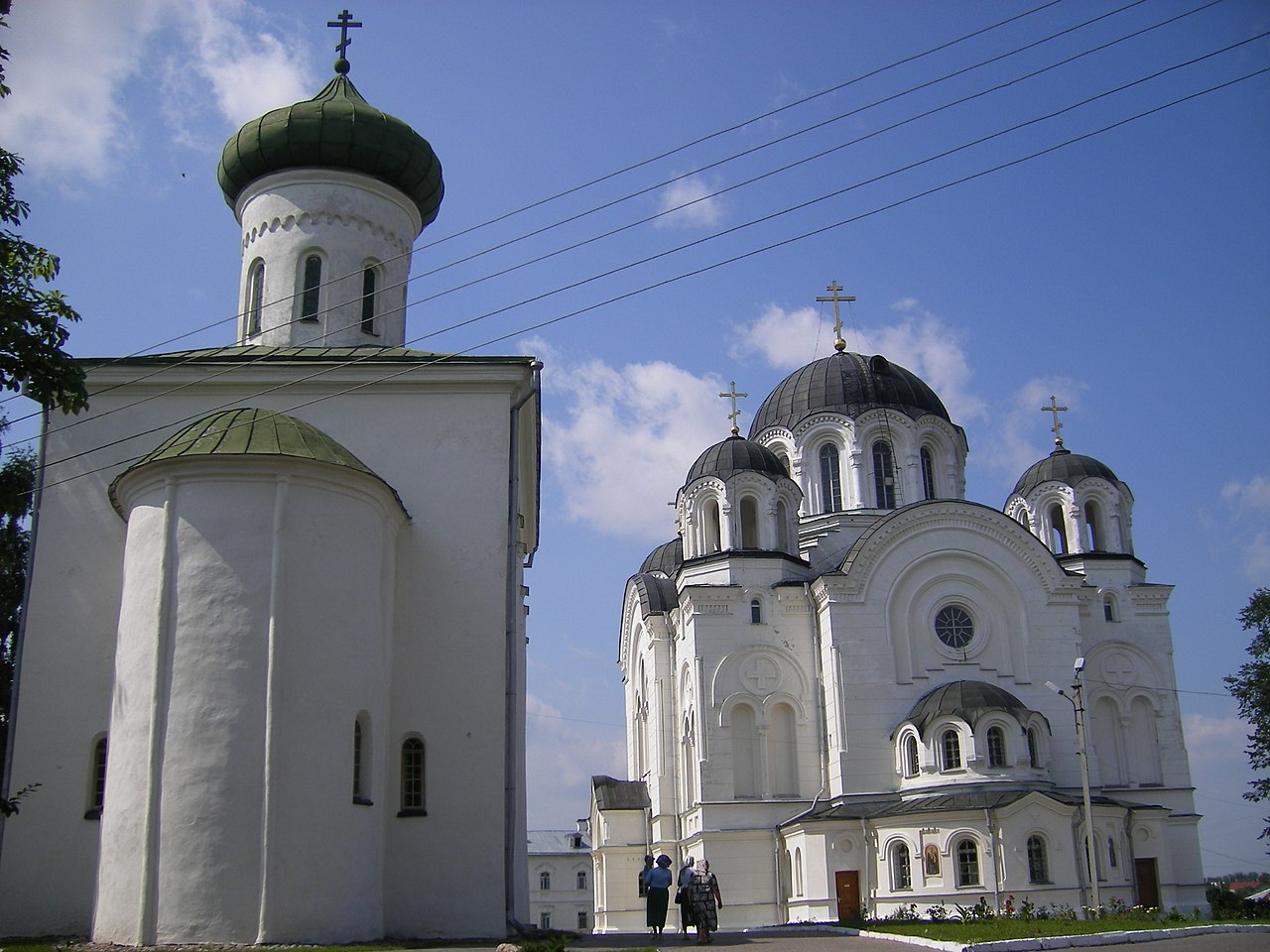
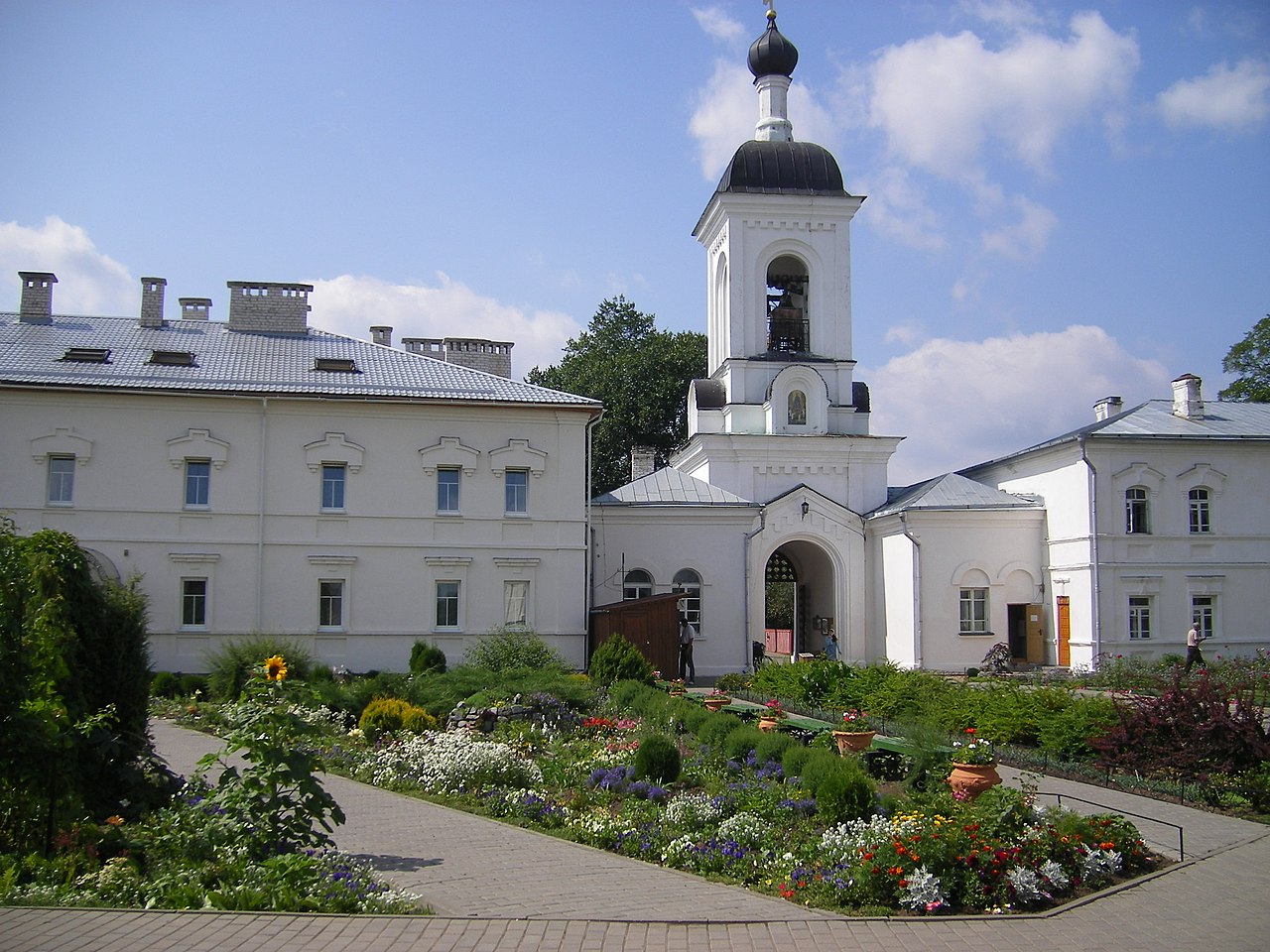
Historical significance
Polotsk emerged as an important center in the early medieval period and was the capital of the Principality of Polotsk, one of the principal East Slavic political entities. Over centuries the city played a role in regional trade, religious life and the shifting politics of Eastern Europe. Many surviving monuments testify to this long past: churches, bell towers, and sections of medieval fortifications mark the urban landscape. While archaeological research has revealed layers of settlement, many well-preserved buildings date from later centuries and reflect different architectural influences.
Landmarks and culture

Polotsk’s most recognizable landmarks include its historic cathedrals and monastic complexes, local museums that preserve regional art and archives, and museums dedicated to notable native figures. The city hosts cultural events tied to Belarusian history and literature and maintains institutions for education and the arts. Typical attractions for visitors and scholars alike are the cathedral complexes, old town streets, and municipal collections that illustrate local crafts and religious art.
Transport and economy
The city is served by Polotsk Airport and by regional rail and road connections that link it to other centers in Belarus and neighbouring countries. During the Cold War the area also included military facilities such as the Borovitsy air base, which is often mentioned in accounts of the period’s strategic infrastructure (Cold War-era references). Local industry today includes food processing, light manufacturing and services that support tourism and administration.
Notable facts and distinctions
Polotsk is often cited for its role in the medieval formation of East Slavic culture and for preserving an unusually rich sequence of historical layers within a modest urban footprint. Visitors can explore several distinct aspects of the city’s past and present:
- Religious architecture and historic cathedrals that reflect centuries of ecclesiastical life.
- Museums and archives that document local history, literature and decorative arts.
- Riverside landscapes along the Western Dvina that shaped trade and settlement patterns.
For further reading on local history, language forms and regional geography, the city is frequently referenced in studies of Belarusian urban development and medieval East Slavic polities. General guides and specialist works provide more detailed treatments of Polotsk’s archaeology, architecture and social history.
For language- and place-name references see the local forms: Belarusian, Russian, Polish, and general country-level information at Belarus. Additional material about 20th-century military sites is available under Cold War topics (see sources).
Related articles
Author
AlegsaOnline.com Polotsk: historic city on the Dvina River in Vitebsk Region, Belarus Leandro Alegsa
URL: https://en.alegsaonline.com/art/77825
Sources
- un.int : Occidental spelling according to the Belarus Permanent Mission to the United Nations.
- belarus.by : Occidental spelling according to the official Belarus website.
- nationsonline.org : Occidental spelling according to "Nations Online" website.
- maps.google.com : Spelling according to Google Maps.