
Ponce, Puerto Rico: History, Culture and Civic Profile
Ponce is a major southern Puerto Rican city known as La Perla del Sur, noted for its civic monuments, museums, colonial architecture and role as a regional administrative and cultural hub.
Ponce is a principal city on the southern coast of Puerto Rico, often described as a major cultural and economic center outside the San Juan metropolitan area. Commonly called La Perla del Sur (the Pearl of the South) and La Ciudad Señorial (the Majestic City), Ponce functions as an administrative, commercial and cultural hub for the island's southern region. Municipal population figures have varied over time; sources report different counts depending on census year and municipal boundaries.
Image gallery
10 Images


Origins and historical development
The city takes its name from Juan Ponce de León y Loayza, descendant of the Spanish colonial era; the family's legacy links the settlement to broader Iberian colonial history. The locality grew from a small settlement into an important 18th- and 19th-century commercial center, driven by agriculture—especially sugar, coffee and related industries—trade and port activity. Prosperity in those centuries is reflected in the city’s grand civic buildings and distinctive urban plan.
Geography and climate
Located on Puerto Rico's southern shore, Ponce sits where coastal plains meet interior hills. The climate is tropical and typically drier than the island's northern coast, with warm temperatures year-round and a rainier season in summer and early autumn. Its harbor, road network and a regional airport have long supported the city’s links to other parts of the island and to maritime routes.
Culture, landmarks and institutions
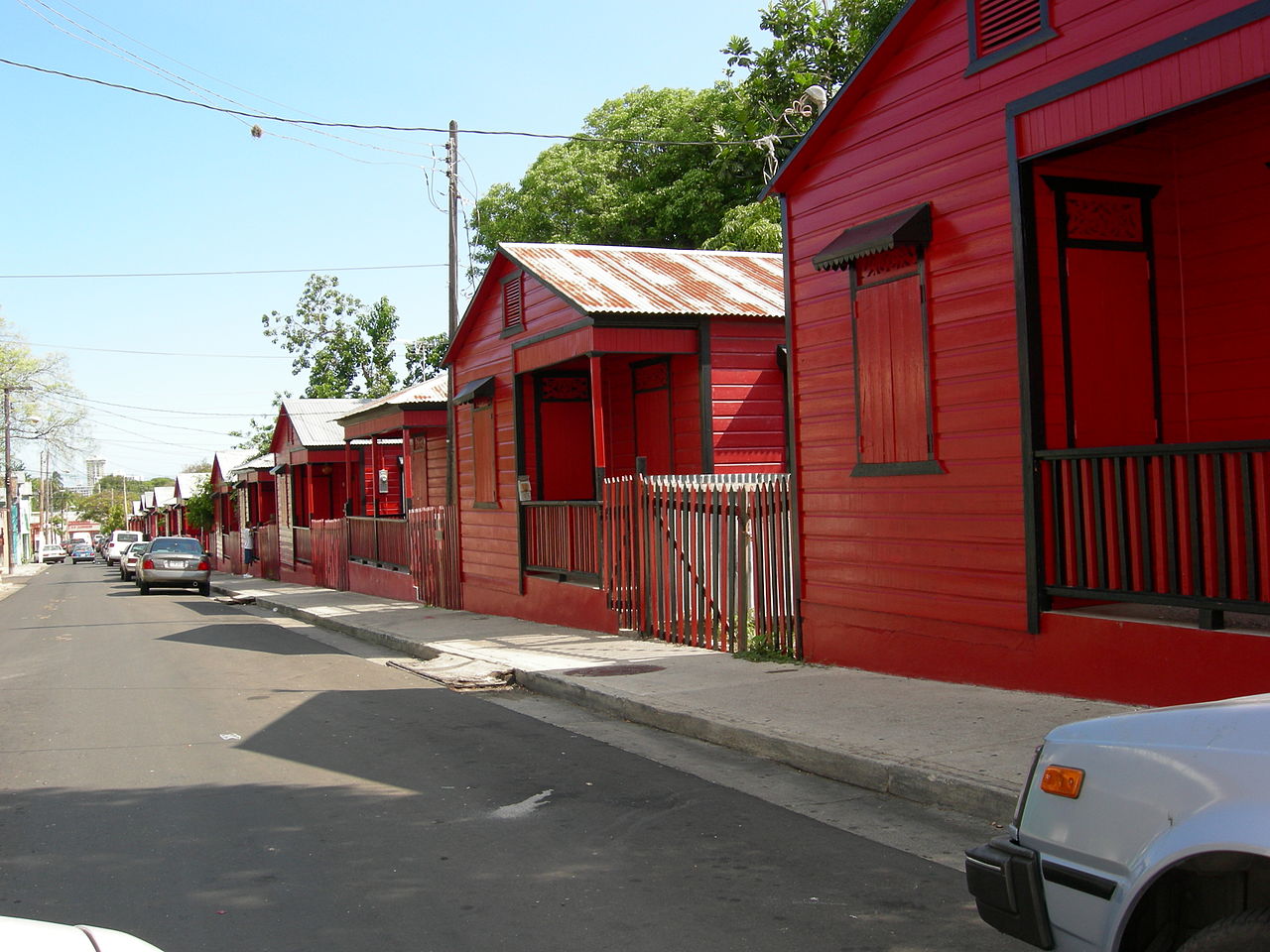
Ponce is notable for a concentration of historical buildings, museums and public spaces. Prominent landmarks include the Parque de Bombas, a distinctive former firehouse now a museum; the Catedral de Nuestra Señora de la Guadalupe in the main plaza; the Museo de Arte de Ponce, known for its collection of European and Caribbean art; and Castillo Serrallés, an example of early 20th-century affluence. The city’s festivals, such as the annual carnival traditions, celebrate local music, cuisine and crafts and draw visitors from across the island.
- The Parque de Bombas, an iconic red-and-black structure.
- Museo de Arte de Ponce, with notable art collections and exhibitions.
- Castillo Serrallés and other preserved mansions reflecting 19th–20th century wealth.
- La Guancha boardwalk and a historic central plaza that host cultural events.
Economy, governance and preservation
Ponce serves as a regional center for government services, commerce, light manufacturing and tourism. Port and transport facilities support local industry, while municipal policies have emphasized historic preservation and urban revitalization. The city’s civic monuments and neighborhoods are subject to conservation efforts intended to maintain architectural heritage and support cultural education.
Modern significance
Beyond its monuments and museums, Ponce has been the scene of important social and political events in Puerto Rico’s modern history, and continues to be a focal point for southern island life. For readers seeking official information and more detailed municipal data consult local and historical resources linked below.
Further reading and official pages: Puerto Rico information, San Juan references, metropolitan area studies, Spanish colonial context, conquistador history, biography of Juan Ponce de León.
Questions and answers
Q: What is Ponce?
A: Ponce is the second largest city in Puerto Rico outside of the San Juan metropolitan area.
Q: Where is Ponce located?
A: Ponce is located in the southern part of the island.
Q: How many people live in Ponce?
A: 186,475 people live in Ponce.
Q: What are some other names for Ponce?
A: Ponce is also called La Perla del Sur (The Pearl of the South) and La Ciudad Señorial de Puerto Rico (Majestic City of Puerto Rico).
Q: Who was Juan Ponce de León y Loayza?
A: Juan Ponce de León y Loayza was the grandson of Spanish conquistador Juan Ponce de León, after whom the city was named.
Q: Why is Ponce called "La Perla del Sur"?
A: Ponce is called "La Perla del Sur" because it is a beautiful and important city in the southern part of Puerto Rico.
Q: What is the significance of Ponce's other name, "La Ciudad Señorial de Puerto Rico"?
A: "La Ciudad Señorial de Puerto Rico" means "Majestic City of Puerto Rico" and highlights Ponce's history and grandeur as an important city in Puerto Rico.
Related articles
Author
AlegsaOnline.com Ponce, Puerto Rico: History, Culture and Civic Profile Leandro Alegsa
URL: https://en.alegsaonline.com/art/77927
Sources
- puertorico.com : "Puerto Rico - Ponce, Puerto Rico"