
Pokémon Red and Blue: the original Generation I role-playing games
Pokémon Red and Blue are the original pair of role‑playing games that launched the Pokémon franchise in the 1990s, introducing catching, trading, and battling across the Kanto region.
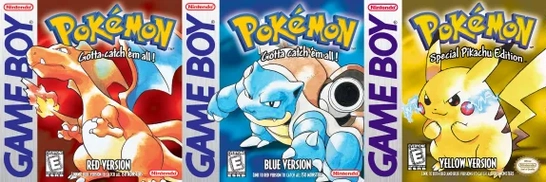
Pokémon Red and Pokémon Blue are the pair of companion role‑playing games that introduced the Pokémon franchise to a global audience. Developed by Game Freak and published by Nintendo, these titles are the first commercially released entries in the broader Pokémon series and were distributed for the Game Boy. They established many conventions that define the series: a world of collectible creatures, strategic turn‑based battles, and progress tied to exploration and growth.
Image gallery
6 Images



Core gameplay and mechanics
Players assume the role of a young trainer who travels the Kanto region to capture, train, and battle creatures called Pokémon. Progress is measured by defeating Gym Leaders, challenging the Elite Four and the Champion, and completing the in‑game creature catalogue known as the Pokédex. Battles use a turn‑based system with type matchups that reward planning and team composition. Capturing Pokémon relies on weakening wild creatures and using Poké Balls, while leveling up and evolving expand options and abilities.
Features, version differences, and multiplayer
Red and Blue were released as paired versions with slightly different Pokémon available in each — a deliberate design choice that required players to trade to see every species. Trading and player versus player battles used the Game Link Cable, making social interaction a built‑in element. Other notable features included a rival character who progressed alongside the player, item use, status conditions, and basic held‑item mechanics that influenced battle outcomes.
- Regional exclusives and version trading encouraged cooperation.
- 151 original Pokémon established an early bestiary.
- Simple, accessible RPG systems suitable for handheld play.
Development, release, and early reception
The games first appeared in Japan in 1996 (originally as Red and Green) and later reached international markets: North America in 1998 and Europe and Australia in 1999. In many territories the partner titles were released as Red and Blue. These early releases laid the commercial foundation for a multimedia expansion that included an animated television series, merchandise, and trading cards. Contemporary reviews praised the combination of collection, exploration, and multiplayer, though critics noted graphical and technical limits tied to the original handheld hardware.
Legacy, related releases, and remakes
Pokémon Red and Blue are widely credited with starting one of the most enduring video game franchises. A special edition, Pokémon Yellow, followed and more closely reflected elements of the animated series. The original generation later inspired remakes — most notably Pokémon FireRed and LeafGreen for the Game Boy Advance — which updated graphics, interfaces, and connectivity. The first generation titles and their immediate spin‑offs form the franchise's foundation and are still referenced in later games.
For historical and cultural context: the original Japanese releases were titled Red and Green and appeared in Japan, while the international rollouts brought the games to North America, Europe, and Australia. The paired release strategy and link‑based trading are often highlighted when discussing how Pokémon cultivated social play. For more on the series' beginnings and the team behind the titles, see developer histories and retrospective coverage of the first video games.
Author
AlegsaOnline.com Pokémon Red and Blue: the original Generation I role-playing games Leandro Alegsa
URL: https://en.alegsaonline.com/art/77673
Sources
- pokemon.co.jp : "ポケットモンスター 赤・緑"
- nintendo.co.jp : "ポケットモンスター赤・緑"
- pokemon.co.jp : "ポケットモンスター 青"
- nintendo.co.jp : "ポケットモンスター青"
- nintendo.com : "Game Boy's Pokémon Unleashed on September 28!" · web.archive.org
- nintendo.co.uk : "Pokémon Red Version"
- nintendo.co.uk : "Pokémon Blue Version"
- pokemonfan.net : "The Anime"
- sev.prnewswire.com : "Pokémon Franchise Approaches 150 Million Games Sold"