
Pokémon (media franchise)
Pokémon is a multimedia franchise about collectible creatures that are caught, trained, traded and battled. It includes video games, an anime, a trading card game, manga, merchandise and a global fan community.
Overview
Pokémon is a long-running entertainment franchise built around fictional creatures known as Pokémon, which players can capture, train, breed, trade and battle. The concept was created by Satoshi Tajiri and developed in cooperation with a small team and later companies that grew with the property. The brand is managed by The Pokémon Company, which coordinates marketing, licensing and cross-media releases.
Image gallery
10 Images





Core concepts and gameplay
At its core, Pokémon combines collection, strategy and role-playing mechanics. Individual species have characteristic types (for example Fire, Water or Grass), statistics, predictable move sets and, in many cases, evolutionary lines. Standard gameplay elements include exploring a region, encountering wild Pokémon, capturing them with Poké Balls, training them to gain experience, and assembling a team to challenge in-game trainers and competition. A type-based system of strengths and weaknesses encourages tactical choices and team composition.
Generations, regions and species
The main series of video games is released in generations; each introduces a new region, story, and a batch of new species and gameplay features. Regions often draw on real-world geography and culture for names and design cues. Over the franchise's history the roster has expanded to include hundreds of species, and the games frequently add mechanics—such as new battle formats, abilities and forms—that refresh competitive and casual play.
Media formats and adaptations
- Video games — main series role-playing titles on Nintendo hardware, plus numerous spin-offs across platforms.
- Anime — a long-running televised series and feature films that follow recurring characters and adapt material from the games for a broader audience.
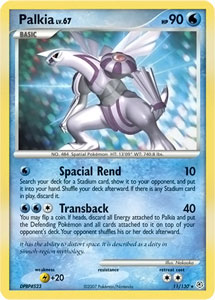
- Trading card game — a collectible card game with international organized play and regular expansion sets.
- Manga, novels, toys, stage shows and mobile apps that expand the setting and reach varied audiences.
Companies, development and distribution
The franchise has been developed and published by multiple entities over time. Game development has most prominently involved teams such as Game Freak and collaborators, while distribution and broader commercial support have included partnerships with companies like Nintendo. The ecosystem of creators, licensees and retailers works together under coordination by The Pokémon Company to manage releases and merchandising worldwide.
Cultural impact and commercial significance
Pokémon is one of the most recognisable entertainment brands globally. Its mascot, Pikachu, has become a widely known cultural icon. The video game series ranks among the best-selling of all time and the franchise is frequently compared with other major properties such as Mario in terms of cultural reach and commercial scale. Beyond sales, Pokémon has influenced game design—with mechanics such as creature collection and trading adopted by many other titles—and spawned active fan communities, speedrunning and competitive scenes.
Community, competitive play and events
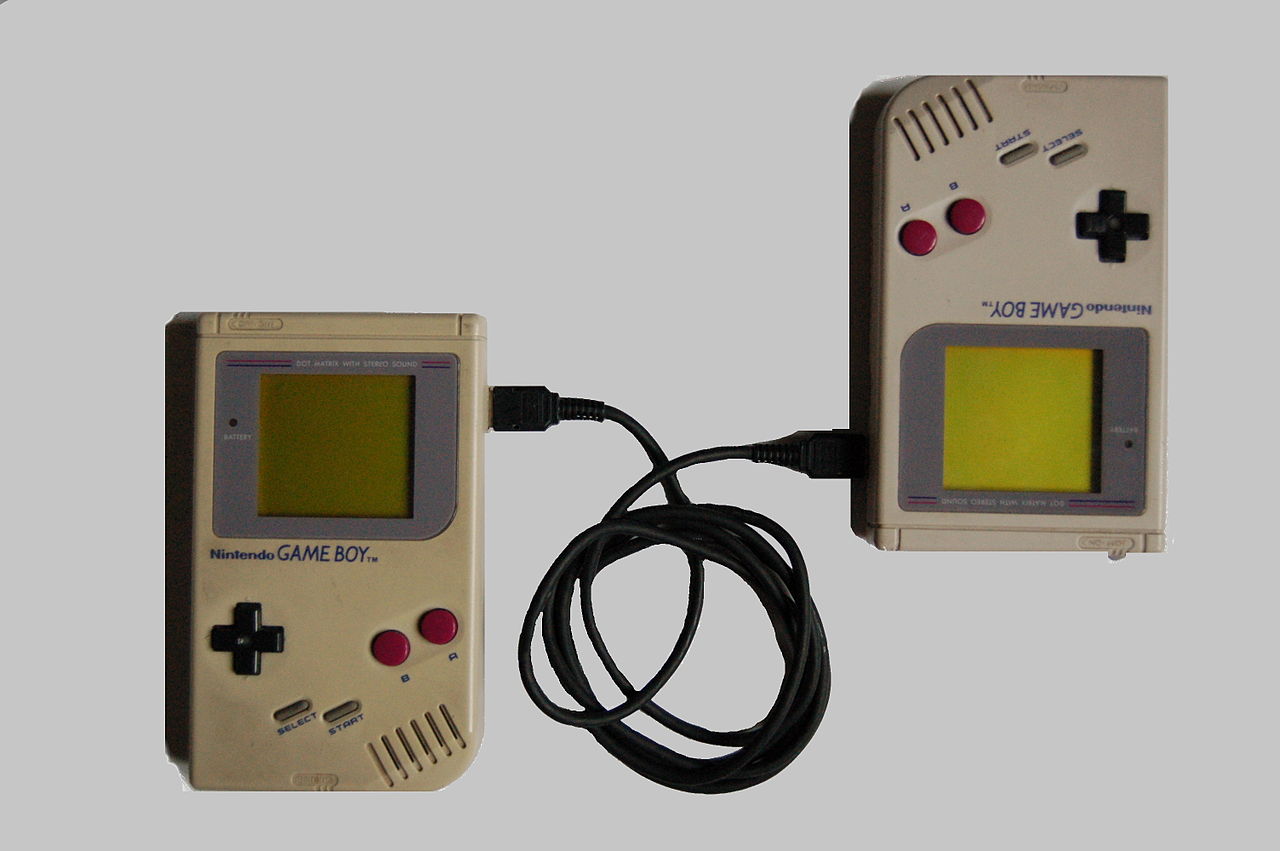
From the beginning, social features were central: trading and battling with other players encouraged interaction. Over time the competitive component has professionalised, with official rulesets, tournaments and fan-run events. Community engagement also extends to fan art, tournaments, conventions, and online discussion, making the franchise an enduring participatory culture.
Criticism and ongoing developments
Like any major franchise, Pokémon has faced criticism—on issues such as representations in media, in-game monetisation in some spin-offs, and the environmental or ethical implications of treating creatures as collectable. Developers and licensees have responded with updates, community programmes and changes to business practices. Recent years have also seen expansion into mobile gaming, online services and cross-platform experiences that continue to evolve the property's reach.
Legacy
Pokémon's combination of approachable design, strategic depth and social systems has given it a longevity that spans decades. It remains an influential model for transmedia storytelling, licensed merchandising and community-driven play, with new releases and adaptations regularly introducing the brand to successive generations of players and viewers.
Questions and answers
Q: What is Pokémon?
A: Pokémon is a media franchise owned by The Pokémon Company, based on the concept of hatching, catching, playing with, staying with, befriending, defending, raising, trading, training, and battling with hundreds of different creatures.
Q: Who created the concept of Pokémon?
A: The concept of Pokémon was made by Satoshi Tajiri, the creator of Pokémon.
Q: In how many regions are there Pokémon games?
A: There are eight regions in the Pokemon games.
Q: How many different types of Pokémon are there?
A: There are 913 different Pokémon.
Q: What is the most famous Pokémon?
A: Most people know Pikachu, an electric mouse Pokémon, which is the mascot of the company.
Q: What types of media represent the Pokémon franchise?
A: The Pokémon franchise is represented in many types of media, including video games, a still-running anime series, manga, and a trading card game.
Q: Which video game series has sold more copies than every other series except Nintendo's Mario series?
A: The Pokémon video games have sold more copies than every other series except Nintendo's Mario series.
Related articles
Author
AlegsaOnline.com Pokémon (media franchise) Leandro Alegsa
URL: https://en.alegsaonline.com/art/77680
Sources
- commons.wikimedia.org : Pokémon
- gamespot.com : "UK paper names top game franchises" · web.archive.org
- gamedaily.com : Top 10 Weirdest Looking Pokemon