
Plymouth, Montserrat
Former capital and principal port of Montserrat. Founded in the 18th century and named for Plymouth, England; largely destroyed and buried by the Soufrière Hills volcanic eruptions in the 1990s.
Overview
Plymouth was the principal town and administrative centre of the Caribbean island of Montserrat. Established in the 18th century and named after Plymouth in England, it served as the island's capital and main seaport for many decades. Its harbour, civic buildings and commercial streets made it the focal point for government, trade and cultural life on the island.
Image gallery
10 Images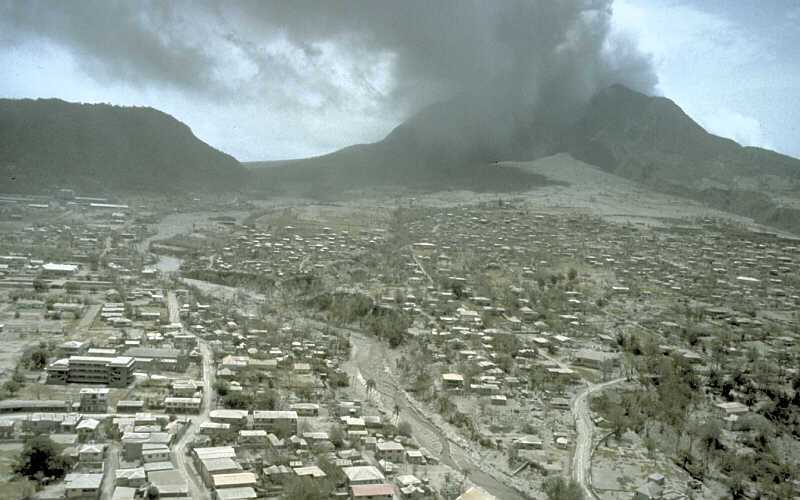





Characteristics and features
The town combined colonial-era architecture, public offices and port facilities. Government institutions, courts and commercial warehouses clustered near the waterfront, while residential neighbourhoods and markets lay inland. Plymouth functioned as both the centre of local administration and the island’s busiest maritime gateway.
History and development
Plymouth grew during the 18th and 19th centuries as Montserrat developed under British administration. Over time it evolved from a small colonial settlement into the island’s dominant town, supporting government services, shipping, small-scale commerce and social life. Its role reflected Montserrat's wider economic shifts and its position among the Leeward Islands in the Caribbean.
Destruction and aftermath
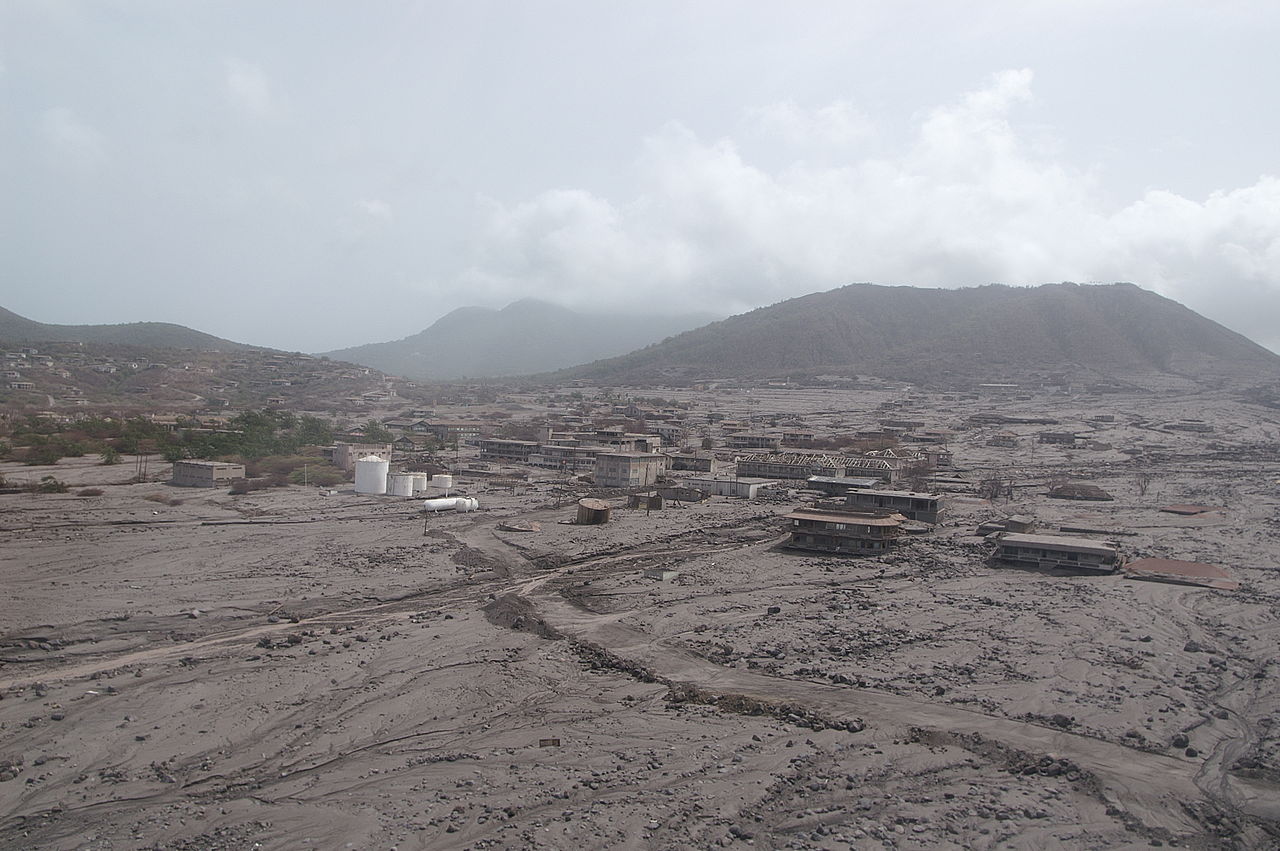
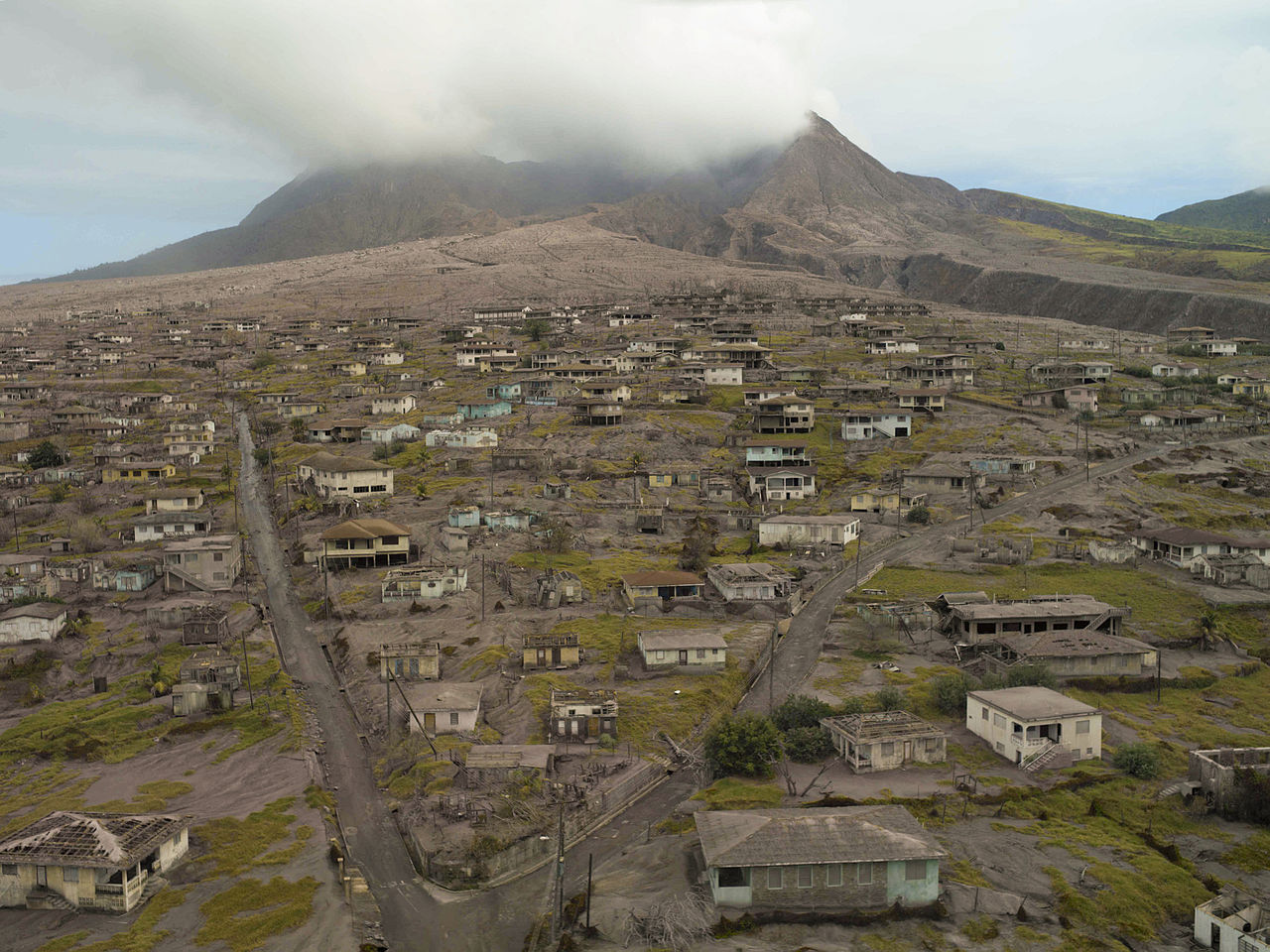
In the 1990s the nearby Soufrière Hills volcano became active. A series of eruptions in 1995–1997 produced pyroclastic flows and heavy ashfall that devastated large parts of southern Montserrat. Plymouth was heavily damaged and ultimately buried by volcanic material in 1997, making it unsafe for habitation and forcing the evacuation of residents and the relocation of many administrative functions to the northern part of the island.
Legacy and current status
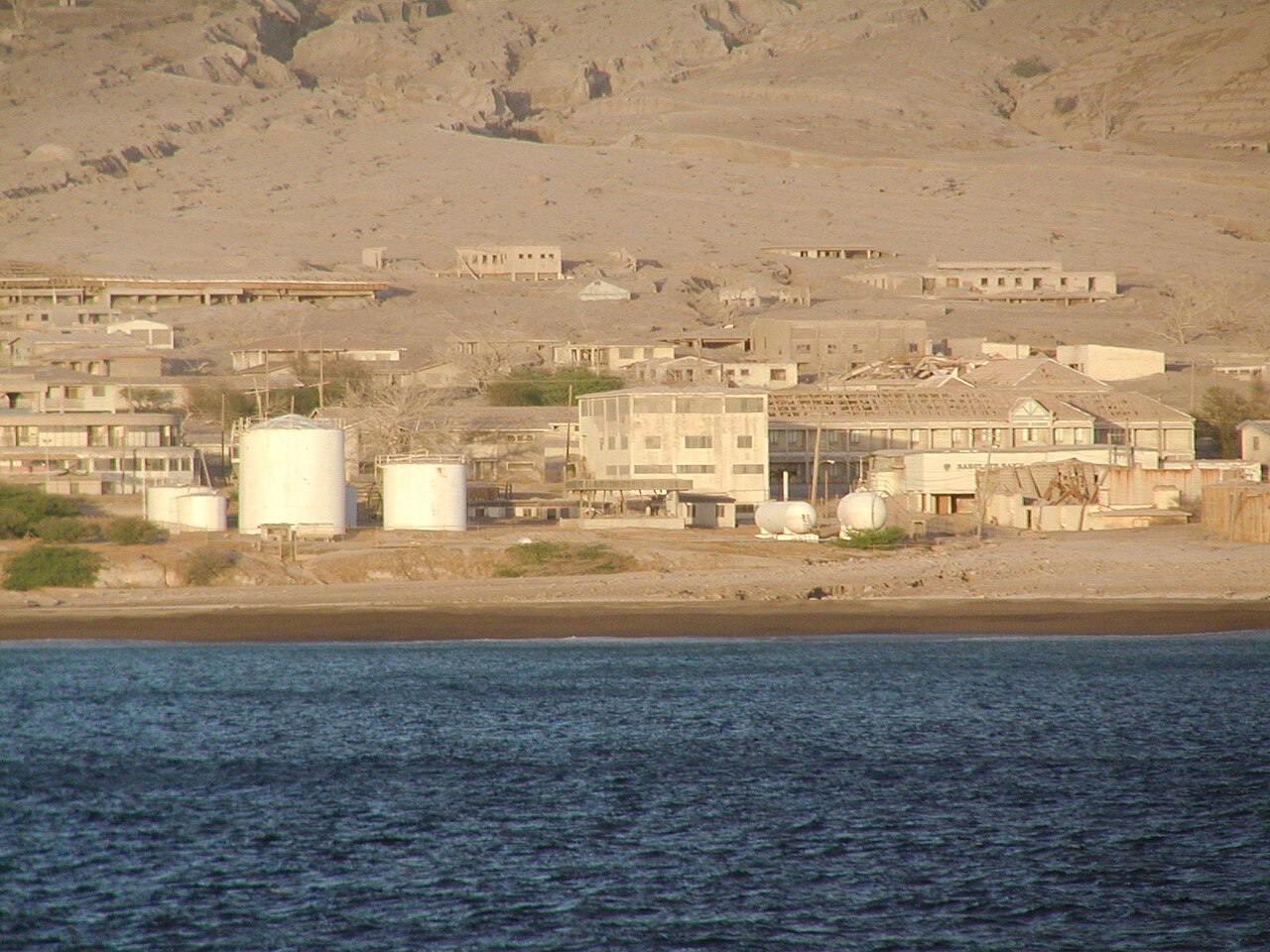
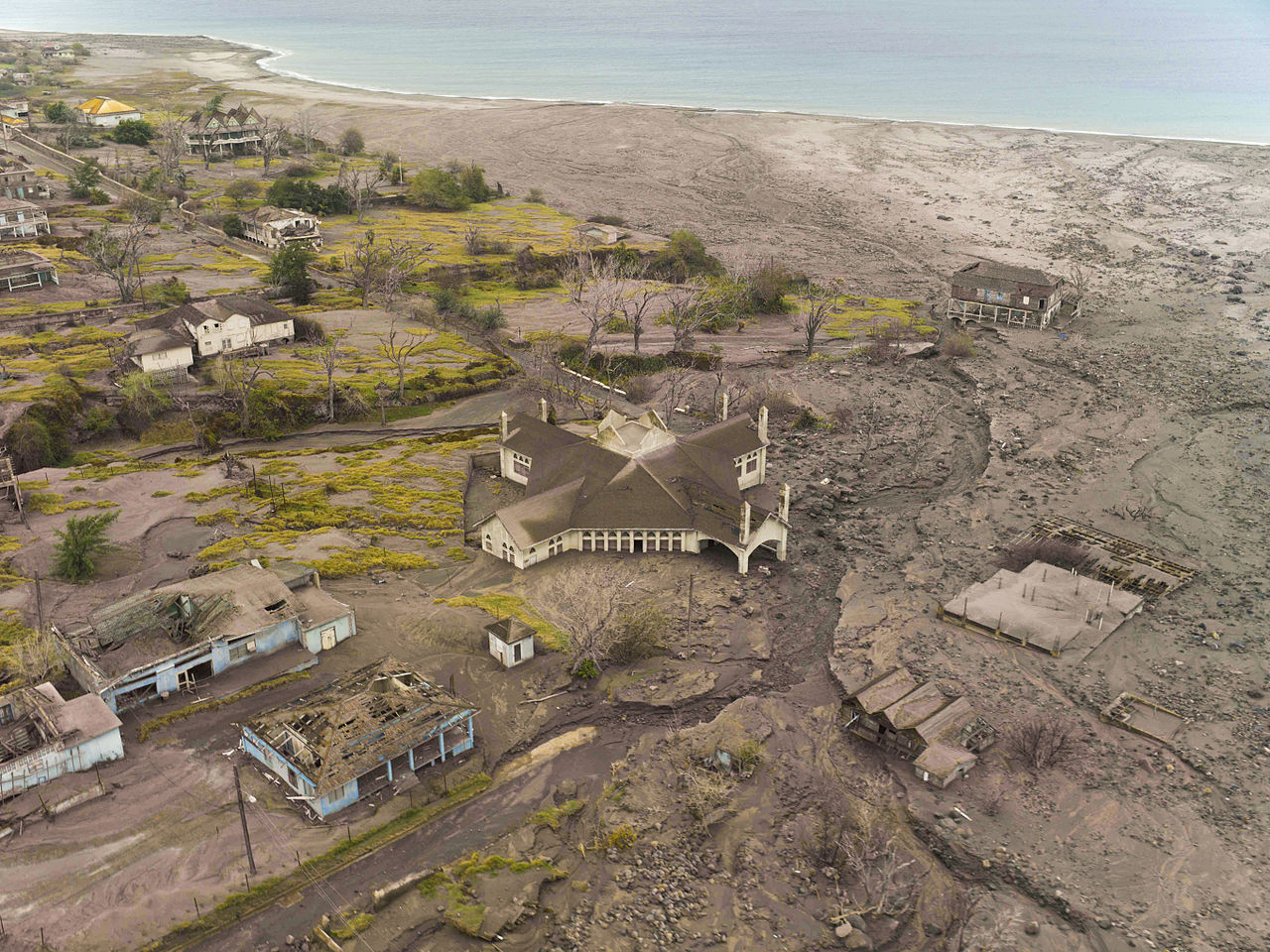
Today Plymouth remains within an exclusion zone and is commonly described as a modern ghost town: streets and buildings lie buried under layers of ash and mud, and access is restricted for safety. For years the town continued to appear in official records as the territory's capital even though government operations were conducted from temporary centres elsewhere on Montserrat. The loss of Plymouth is a defining event in the island’s recent history and illustrates the long-term societal impact of volcanic disasters.
Notable facts
- Plymouth was one of the few contemporary towns to be largely rendered uninhabitable by volcanic eruption in modern times.
- The Soufrière Hills eruptions reshaped Montserrat’s population distribution and economy, with recovery and redevelopment focused in safer northern areas.
- The site has been studied by volcanologists and emergency planners as an example of volcanic risk and displacement.
Related articles
Author
AlegsaOnline.com Plymouth, Montserrat Leandro Alegsa
URL: https://en.alegsaonline.com/art/77536