
Pohang, South Korea
Coastal city in North Gyeongsang Province noted for its deep‑water port, steel industry (POSCO), research university (POSTECH), two districts Buk‑gu and Nam‑gu, and cultural and coastal attractions.
Pohang is a coastal city on the east coast of South Korea, located in North Gyeongsang Province. It functions as a principal seaport for the Daegu–Gyeongbuk region and has grown from a modest fishing and farming area into a major industrial and educational center. For general reference and municipal services see official resources.
Image gallery
10 Images


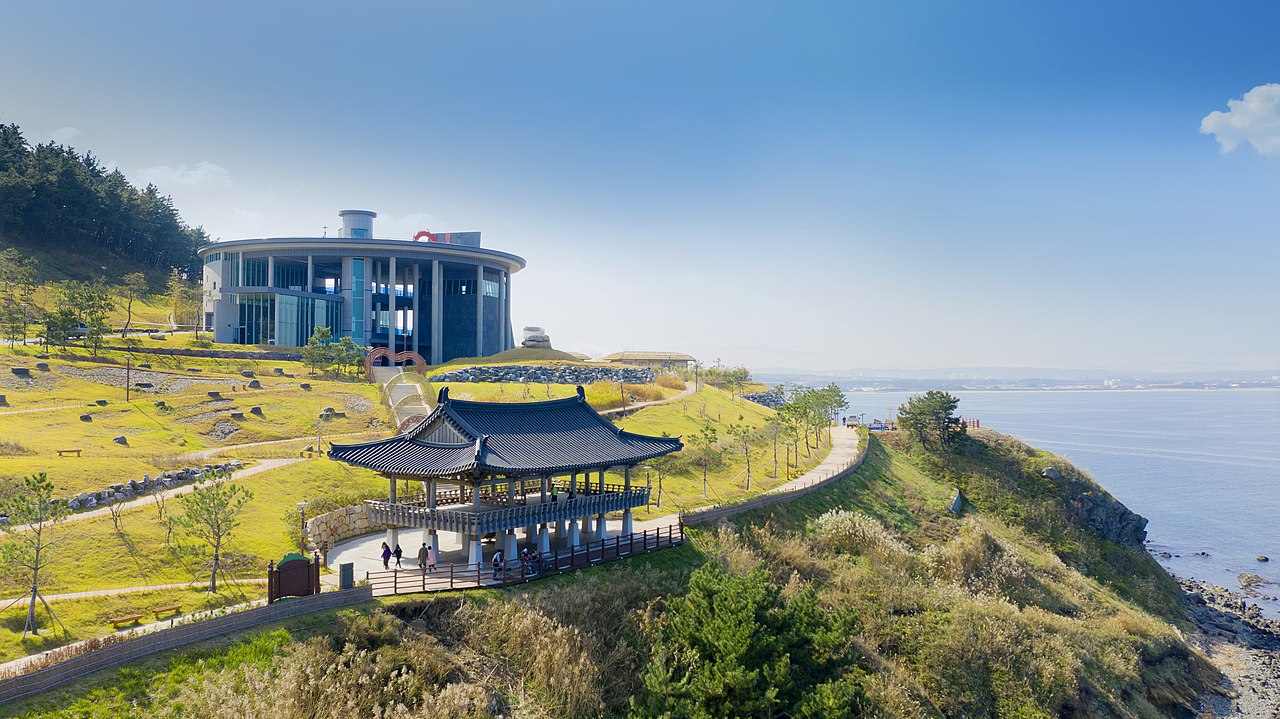


Geography and administration
The city is divided administratively into two primary districts: Buk‑gu (Northern Ward) and Nam‑gu (Southern Ward). Set along a varied coastline, Pohang includes working harbors, beaches and rocky headlands. It is among the larger South Korean municipalities by land area and serves as a regional hub for surrounding towns and rural areas.
History and development
Pohang's modern expansion accelerated in the mid‑20th century with national industrialization policies. The establishment and growth of a large steelworks transformed the local economy, sparking population growth and the development of transport links, housing and port facilities. Historic fishing communities and agricultural villages were gradually integrated into the expanding city fabric.
Economy and institutions
Pohang is best known for its heavy industry—particularly steelmaking—and for its port activities, which handle bulk cargoes, raw materials and finished goods. The city is also home to research and higher‑education institutions, including a major science and technology university, which contribute to R&D and local innovation. Manufacturing, ship‑related services and logistics remain important employers.
Culture, education and attractions
The city combines industrial landscapes with cultural and natural attractions. Notable places include sunrise viewpoints, local seafood markets, coastal parks and museums that interpret the region's maritime and industrial heritage. Annual festivals and community events reflect both traditional coastal life and the presence of an international workforce and student population.
Transport and practical notes
Pohang is connected by road and rail to inland cities and by sea to domestic and selective international ports. The port and related logistics facilities support both local industry and regional trade. Visitors often use Pohang as a base for coastal sightseeing, visiting sunrise points, beaches and markets; travelers should consult local transport timetables and tourist information before planning journeys.
- Administrative wards: Buk‑gu and Nam‑gu
- Major economic sectors: steel, shipping, logistics, education
- Common visitor sites: sunrise spots, seafood markets, industrial heritage museums
Questions and answers
Q: Where is Pohang located?
A: Pohang is located in North Gyeongsang Province in South Korea.
Q: What is Pohang known for?
A: Pohang is known for being a main seaport in the Daegu-Gyeongbuk region.
Q: How many wards does Pohang have?
A: Pohang has two wards, Buk-gu (Northern Ward) and Nam-gu (Southern Ward).
Q: Which ward of Pohang has the largest population?
A: It is not specified which ward of Pohang has the largest population.
Q: Is Pohang the largest city in Gyeongbuk?
A: It is not specified if Pohang is the largest city in Gyeongbuk, but it does have the largest population in the province.
Q: How does Pohang’s land size compare to other South Korean cities?
A: Pohang has the 3rd widest land of all South Korean cities.
Q: What makes Pohang important in the region?
A: Pohang’s status as a main seaport in the Daegu-Gyeongbuk region makes it an important transportation hub for the area.
Related articles
Author
AlegsaOnline.com Pohang, South Korea Leandro Alegsa
URL: https://en.alegsaonline.com/art/77603