
Pieter de Grebber (c.1600–1652/1653) — Dutch Golden Age painter
Dutch Golden Age painter from Haarlem, active early 17th century; known for religious and portrait paintings, trained in a family workshop and influenced by Haarlem drawing traditions.
Pieter de Grebber (circa 1600 – 1652 or 1653) was a Dutch painter and draughtsman active in Haarlem during the early 17th century. He belonged to a family workshop and is generally grouped with artists of the Dutch Golden Age. Surviving records are incomplete, and some dates and attributions remain uncertain, but he is remembered for carefully drawn compositions, clear figure groups and an emphasis on narrative clarity.
Image gallery
5 Images


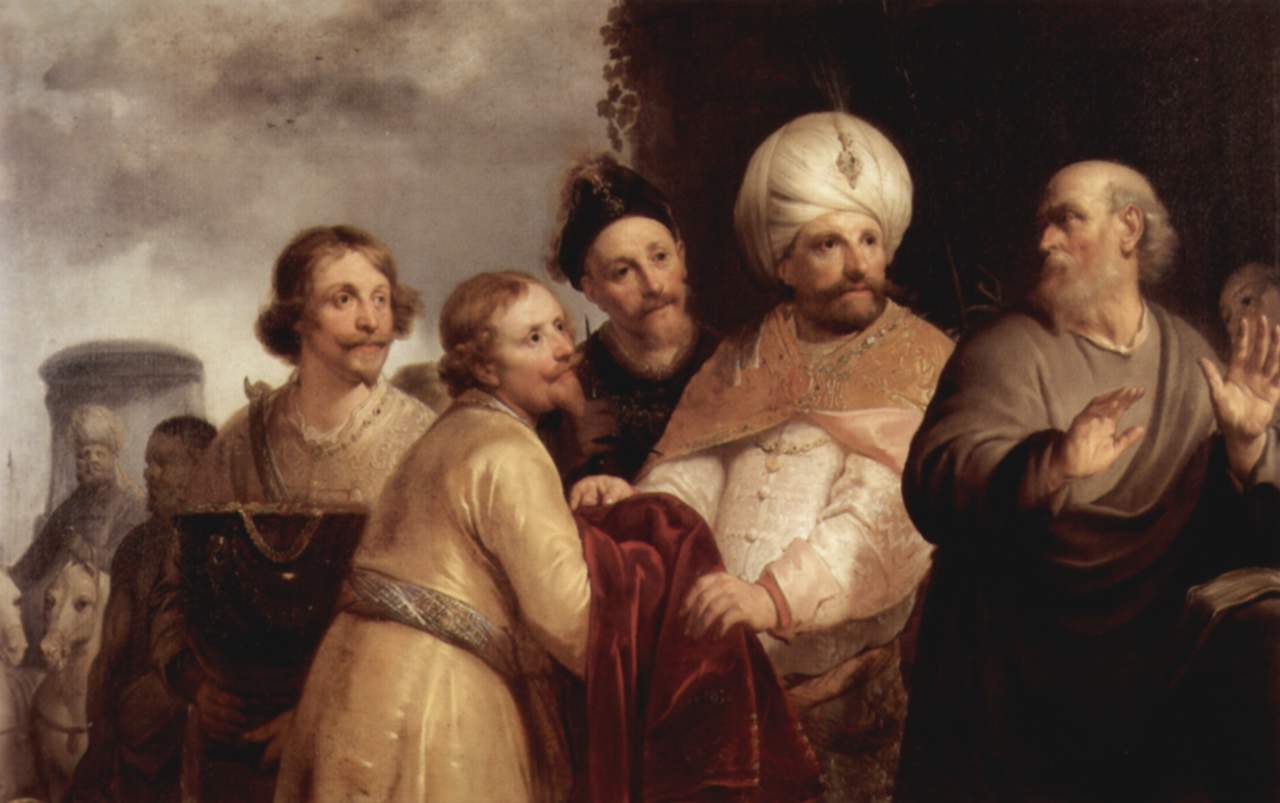
Training and family background
De Grebber was the eldest son of Frans Pietersz de Grebber and received his earliest instruction in his father's workshop. He is also reported to have studied with Hendrik Goltzius, an influential Haarlem engraver and draftsman, which would have exposed him to strong linear draftsmanship and classical ideals. The family workshop tradition helped shape his technical competence and workshop practice.
Style and typical subjects
Pieter de Grebber produced history paintings and portraits with an emphasis on clear storytelling and measured composition. His manner is marked by controlled drawing, restrained color and an orderly arrangement of figures rather than dramatic Baroque extravagance. Common themes include:
- Biblical and devotional scenes
- Portraiture and family likenesses
- Allegorical and moralizing subjects
Career and legacy
Active mainly in Haarlem, de Grebber contributed to the local artistic milieu that linked late Renaissance drawing traditions with northern classicism. Some of his works survive in public and private collections and his drawings have been valued for their clarity of line. Art historians place him among the competent and reliable provincial painters of his generation, whose work illustrates the diversity of practice within the period.
Notable facts and distinctions
Though not among the most famous names of the era, de Grebber represents the continuation of workshop-based training and the importance of draughtsmanship in Dutch painting. His career highlights the role of family workshops and local networks in sustaining artistic production during the 17th century.
Related articles
Author
AlegsaOnline.com Pieter de Grebber (c.1600–1652/1653) — Dutch Golden Age painter Leandro Alegsa
URL: https://en.alegsaonline.com/art/76850