
Phitsanulok Province, Thailand
Phitsanulok is a historic province in lower northern Thailand, centered on the city of Phitsanulok along the Nan River. It is known for temples, national parks, agricultural production and an educational hub.
Phitsanulok province lies in the lower northern region of Thailand and is centered on the city of Phitsanulok, the provincial capital. The province occupies a transitional zone between Thailand’s central plain and the northern highlands. Its location along the Nan River has shaped settlement, agriculture and communications for centuries, and the city remains a regional centre for commerce, education and transport.
Image gallery
10 Images





Geography and environment
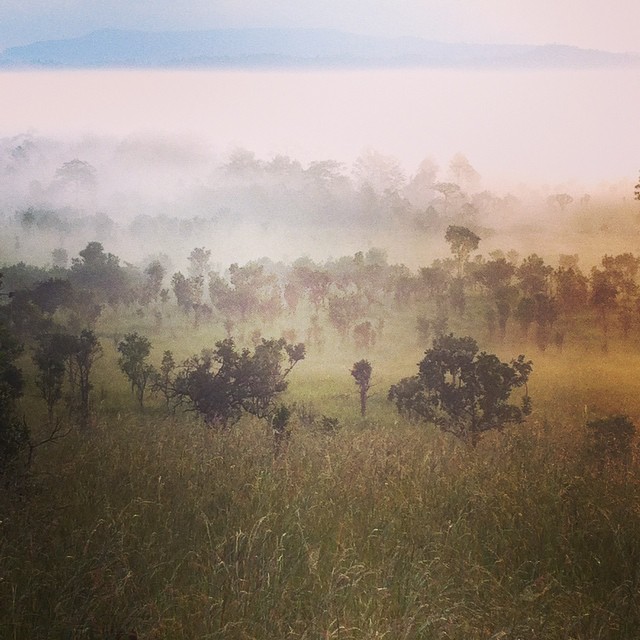
The landscape includes river plains, rolling hills and forested highlands to the west. Major waterways such as the Nan River provide irrigation and have supported rice cultivation for many generations. Protected areas conserve representative forest, grassland and watershed ecosystems; Thung Salaeng Luang National Park is notable for its highland meadows, waterfalls and seasonal wildlife.
Climate
Phitsanulok has a tropical monsoon climate with a distinct rainy season and a drier, cooler season in late autumn and winter. Temperatures and rainfall vary with elevation: lowland plains are hotter and wetter, while higher areas experience cooler temperatures and more variable rain.
History and cultural significance
Phitsanulok has been important since the Sukhothai and Ayutthaya eras, serving at times as a military and administrative centre. The city and province feature several historic temples and monuments that reflect the region’s long Buddhist and political heritage. Local traditions and festivals mark the agricultural cycle and religious calendar.
Landmarks, culture and education
The province is home to major temples, most famously Wat Phra Si Rattana Mahathat, which houses the venerated image known as Phra Buddha Chinnarat. Religious festivals, market life and vernacular architecture contribute to local culture. Phitsanulok is also an educational centre, with Naresuan University providing higher education and research for the region.
Economy and transport
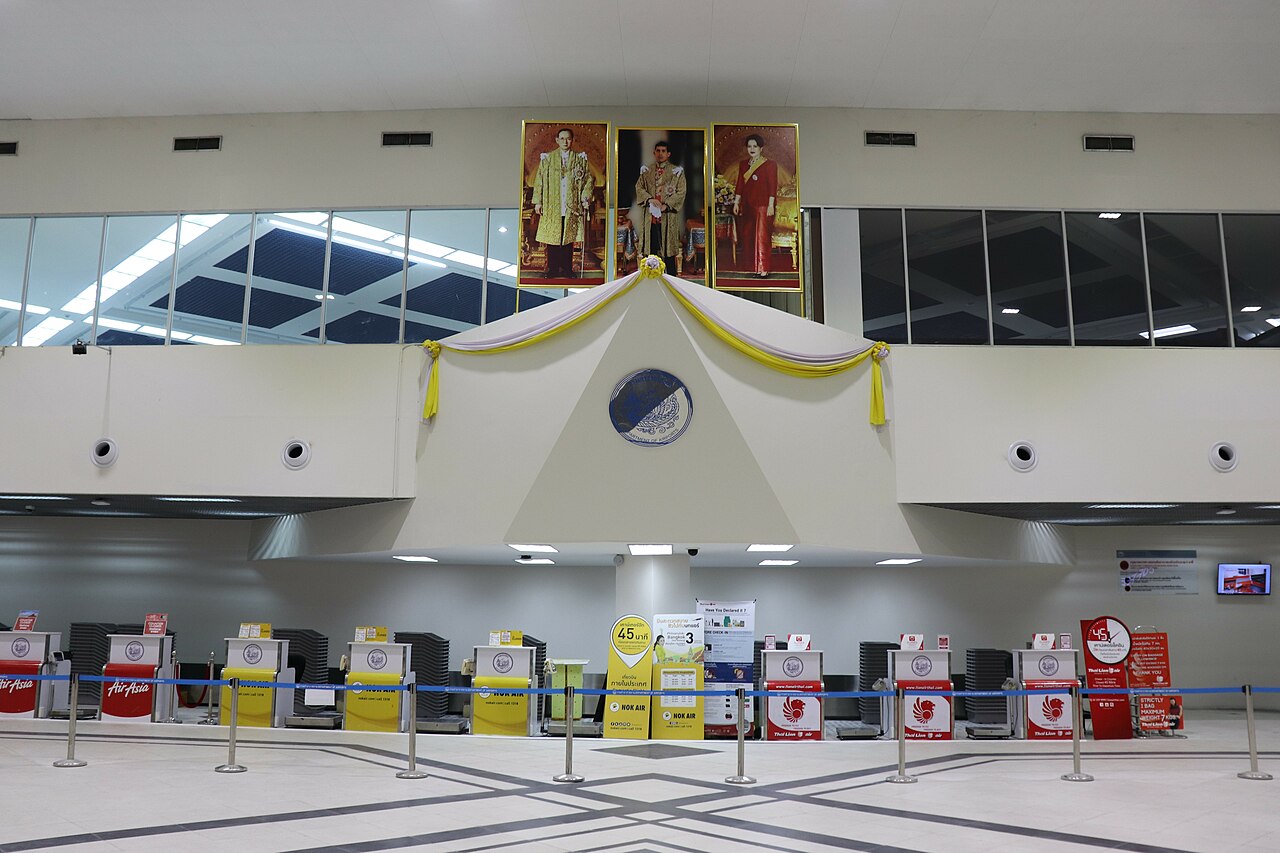
Agriculture—particularly wet-rice farming—remains a backbone of the provincial economy, supported by irrigation networks. Other economic activities include food processing, light manufacturing, trade and services. Phitsanulok sits on major road and rail routes linking northern and central Thailand and is served by a regional airport, making it a logistics and market hub.
Tourism and conservation
Visitors are drawn to temples, riverside market life and natural attractions such as waterfalls, national parks and forested hills. Conservation efforts focus on protecting watershed forests, maintaining biodiversity and promoting sustainable tourism that supports local communities.
Administratively the province is divided into districts and subdistricts that manage local services and development. The population is predominantly ethnic Thai and Buddhist, with local dialects and customs shaped by northern and central Thai influences. Phitsanulok combines historical depth, religious heritage and natural landscapes with a modern role in education, agriculture and transportation.
Related articles
Author
AlegsaOnline.com Phitsanulok Province, Thailand Leandro Alegsa
URL: https://en.alegsaonline.com/art/76520
Sources
- phitsanulok.go.th : phitsanulok.go.th/
- phitsanulok.go.th : phitsanulok.go.th/psl9.html/
- sukhothai.ru.ac.th : sukhothai.ru.ac.th
- phitsanulok-watyai.blogspot.com : phitsanulok-watyai.blogspot.com/
- commons.wikimedia.org : Phitsanulok Province