
Bacterial vaginosis: causes, symptoms, diagnosis, and treatment
Bacterial vaginosis: causes, symptoms, diagnosis, and treatment — clear overview of how imbalanced vaginal bacteria cause thin, odorous discharge, how BV is diagnosed and treated, pregnancy risks, recurrence and prevention.
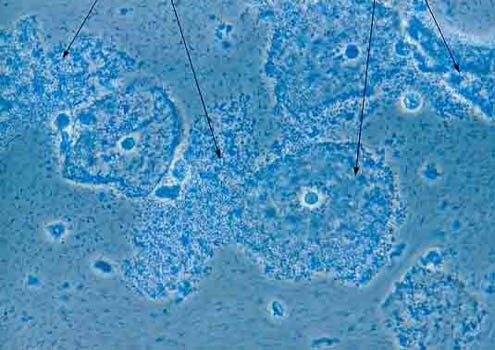
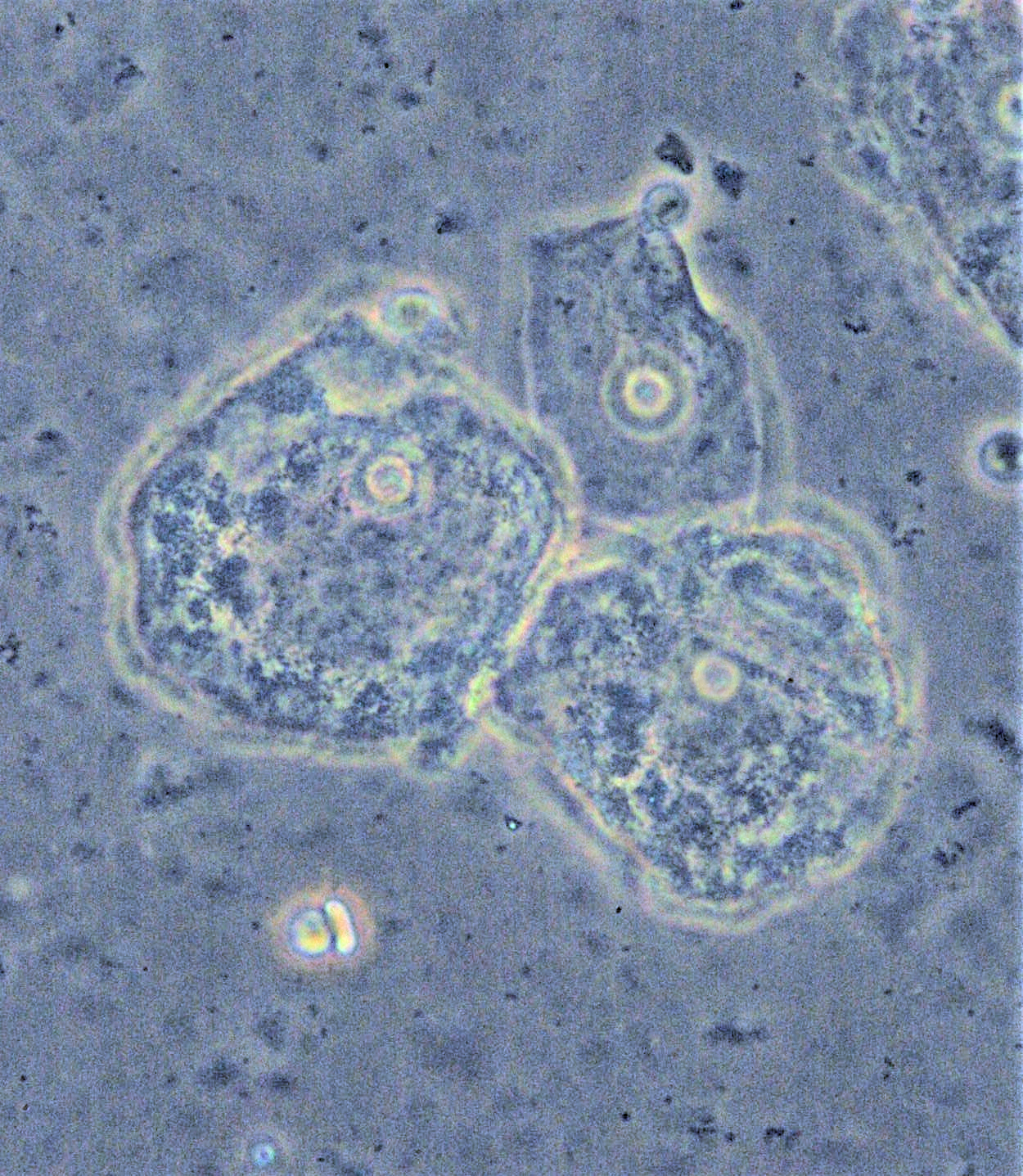
Bacterial vaginosis (BV) is a condition that arises when the normal balance of microorganisms in the vagina is disrupted, allowing certain bacteria to multiply excessively. It is considered a common disease of the lower female reproductive tract.
Image gallery
5 Images


Signs and symptoms
Many people with BV have no complaints, but when symptoms occur they most often involve an increase in vaginal discharge. This discharge is typically thin and may be white or gray. A characteristic, often noticeable feature is a strong, fish-like odor, which can be more pronounced after sexual intercourse. Some individuals report discomfort or a burning sensation with urination.
Cause and mechanism
BV results from a shift in the vaginal microbiome: the normally dominant protective bacteria (such as lactobacilli) decline, and a variety of other species expand. The exact mix of organisms can vary, and the condition is not usually caused by a single pathogen. Factors that change the genital environment — for example, douching, new or multiple sexual partners, or antibiotic use — can increase the likelihood of developing BV.
Complications
When present during pregnancy, BV has been associated with an increased risk of delivering prematurely. It can also raise the chance of acquiring or transmitting some sexually transmitted infections, and may complicate certain gynecologic procedures, although many affected people experience only mild or no symptoms.
Diagnosis and treatment
Healthcare providers diagnose BV based on symptoms, an examination, and tests of vaginal fluid (looking at pH, microscopic appearance, and odor after adding a solution). Effective treatments are available—commonly prescribed antibiotics reduce the overgrowth of bacteria and relieve symptoms. Because recurrence is common, follow-up is sometimes recommended if symptoms return.
Prevention and when to seek care
- Avoiding practices that disturb the vaginal flora, such as unnecessary douching, may lower risk.
- Seek medical advice if you notice a sudden change in discharge, a new unpleasant odor, or pain with urination, so a provider can determine the cause and recommend appropriate treatment.
Tags
Related articles
Author
AlegsaOnline.com Bacterial vaginosis: causes, symptoms, diagnosis, and treatment Leandro Alegsa
URL: https://en.alegsaonline.com/art/8145
Sources
- ncbi.nlm.nih.gov : "Microbiota and Pelvic Inflammatory Disease"
- doi.org : 10.1055/s-0033-1361822
- worldcat.org : 1526-8004
- pubmed.ncbi.nlm.nih.gov : 24390920
- nichd.nih.gov : "What are the treatments for bacterial vaginosis (BV)?" · web.archive.org