
Pertussis (Whooping Cough): Causes, Course, Prevention, and Public Health
Pertussis, or whooping cough, is a highly contagious respiratory infection caused by Bordetella pertussis. This article explains symptoms, stages, complications, diagnosis, treatment and vaccine-based prevention.
Pertussis, commonly called whooping cough, is an acute respiratory infection caused primarily by the bacterium Bordetella pertussis. It spreads easily by respiratory droplets and can affect people of any age, but it is most dangerous in young infants. The illness is best known for prolonged bouts of coughing that may end with a high-pitched "whoop" or vomiting; however, the whoop is not always present, especially in older children and adults.
Image gallery
3 Images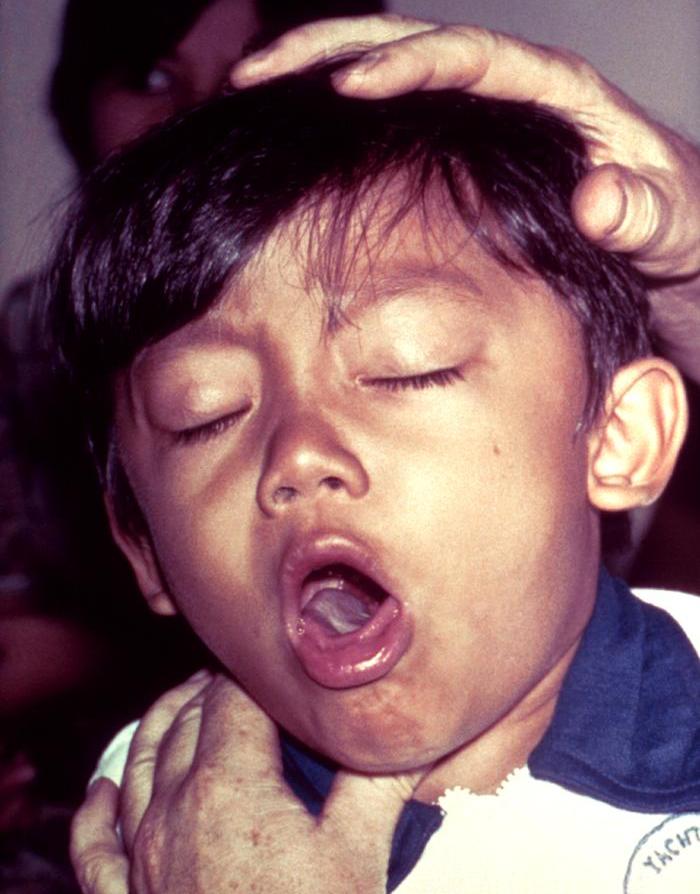


Typical course and clinical features
The disease classically follows three stages. The catarrhal stage resembles a common cold with mild cough, runny nose and low-grade fever. The paroxysmal stage, which can last several weeks, is marked by sudden, repeated coughing fits (paroxysms) that may produce the characteristic whoop, cause vomiting, or lead to shortness of breath and temporary breathing pauses in infants. The convalescent stage is a gradual recovery during which coughing decreases but may persist for many weeks. Complications such as pneumonia, seizures, or brain injury are most likely in the youngest infants and in people with weakened immune systems.
Diagnosis and treatment
Diagnosis is based on clinical history and can be confirmed by laboratory tests: polymerase chain reaction (PCR), bacterial culture from nasopharyngeal specimens, or serology in later stages. Early antibiotic treatment with macrolides (for example, azithromycin) reduces contagiousness and can shorten the infectious period, but it has limited effect on established coughing paroxysms. Close contacts of confirmed cases are often offered antibiotic prophylaxis to prevent spread.
Prevention and vaccines
Vaccination is the primary prevention strategy. Childhood immunization schedules use acellular pertussis vaccines (combined with diphtheria and tetanus antigens: DTaP) and booster doses (Tdap) are recommended for adolescents and adults. Immunity from both infection and vaccination wanes over time, which contributes to periodic outbreaks. Maternal vaccination during each pregnancy protects newborns through transferred antibodies until the infant can be vaccinated. Public health guidance and vaccine schedules vary by jurisdiction; see vaccination guidance and further information.
History and public health importance
Pertussis has affected human populations for centuries and was a major cause of infant death before widespread vaccination. Whole‑cell pertussis vaccines introduced in the 20th century greatly reduced illness and mortality. Later acellular formulations reduced side effects and are now widely used, though concerns about waning immunity and changing bacterial strains have led to continued surveillance and research. Outbreaks continue to occur, particularly where vaccination coverage is low or among populations with waning immunity, making pertussis a continuing public health priority.
- Key points: highly contagious; most severe in infants; vaccine-preventable but immunity wanes.
- Prevention: routine vaccination, maternal immunization, timely antibiotic treatment and contact prophylaxis.
- When to seek care: persistent episodes of coughing, apnea or poor feeding in infants, or cough with vomiting—especially after exposure to pertussis.
Related articles
Author
AlegsaOnline.com Pertussis (Whooping Cough): Causes, Course, Prevention, and Public Health Leandro Alegsa
URL: https://en.alegsaonline.com/art/75993