
Autism spectrum (Autism Spectrum Disorder)
A concise overview of the autism spectrum: core features, diagnostic history, common supports, distinctions such as Asperger and Rett, and social and clinical perspectives.
The autism spectrum (commonly called autism or autism spectrum disorder, ASD) describes a range of neurodevelopmental differences that affect social communication, behavior, and sensory processing. Individuals on the spectrum show great variety: some need substantial daily support while others live independently and may excel in specialized skills. The term encompasses conditions historically labelled separately, such as autism and Asperger syndrome, though diagnostic systems have changed in recent years.
Image gallery
10 Images

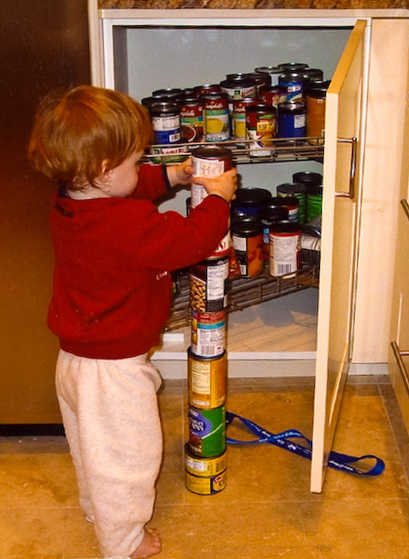


Characteristics
Core features usually include challenges with social interaction and communication, alongside restricted or repetitive patterns of behavior and interests. Sensory sensitivities and differences in motor coordination are common. Cognitive profiles vary widely: some people have intellectual disability, others have average or above-average intelligence and particular strengths in attention to detail or systemizing.
- Social communication differences (eye contact, conversational reciprocity)
- Restricted, repetitive behaviors or intense interests
- Sensory sensitivities (hypersensitivity or hyposensitivity)
- Frequent co-occurring conditions: anxiety, ADHD, epilepsy, sleep or feeding difficulties
History and classification
Descriptions of autistic behavior date from the mid-20th century, notably work by Leo Kanner and Hans Asperger. Diagnostic manuals evolved over decades; many countries now use a single diagnosis, ASD, that covers a continuum of presentations. Certain conditions once grouped with autism, such as Rett syndrome, are understood to have distinct genetic causes and are treated separately in clinical practice.
Diagnosis, support and outcomes
Diagnosis typically involves developmental history, behavioral observation, and multidisciplinary assessment. Early identification and individualized supports—speech and language therapy, behavioral interventions, occupational therapy, educational accommodations—can improve outcomes. Supports are tailored to needs and strengths rather than a one-size-fits-all approach.
Social perspectives and notable facts
Alongside clinical care, many autistic self-advocates emphasize neurodiversity, seeking acceptance, accommodations, and recognition of strengths as well as challenges. Prevalence estimates vary by region and methodology; awareness and diagnostic practices have increased identification. Because the spectrum is broad, public policy, education, and healthcare aim to provide flexible supports that respect individual differences.
Related articles
Author
AlegsaOnline.com Autism spectrum (Autism Spectrum Disorder) Leandro Alegsa
URL: https://en.alegsaonline.com/art/7583