
Autism (Autism Spectrum Disorder)
Overview of autism spectrum disorder: defining features, early signs, causes, prevalence, diagnostic categories, interventions, and the neurodiversity perspective.
Autism, commonly referred to as autism spectrum disorder (ASD), is a developmental condition that affects how a person perceives and interacts with the world. The term "spectrum" reflects broad variation in strengths, challenges and support needs: some autistic people have intellectual disability and limited spoken language, while others have average or above-average intelligence and communicate fluently. Clinical categories historically included labels such as Asperger syndrome, atypical autism and childhood autism, though modern diagnostic systems now describe autism as a single spectrum of conditions with differing presentations.
Image gallery
10 Images

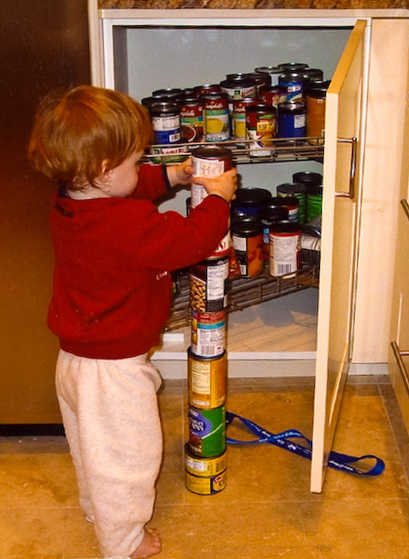


Core characteristics
Autism is most commonly identified by differences in three interrelated areas. These differences appear early in development and affect daily functioning to varying degrees:
- Social communication and interaction: challenges with back-and-forth conversation, interpreting facial expressions or gestures, and forming typical social relationships. Some resources describe how a person relates to their environment in social contexts.
- Restricted, repetitive patterns of behavior: repetitive movements, insistence on sameness, rigid routines, and intensely focused interests.
- Sensory and motor differences: unusual responses to sounds, textures or lights, and variations in coordination or motor planning.
Diagnosis and early development
Signs of autism are often noticeable in the first two to three years of life, though some children show subtler features that become apparent later. Professionals use developmental history, observation and standardized tools to evaluate social communication and behavior across contexts. Diagnostic approaches aim to describe where an individual falls along the spectrum and what supports they need, rather than only assigning a categorical label. The range of traits and abilities among autistic people means assessments consider language level, cognitive profile and co-occurring conditions such as anxiety or epilepsy.
Causes and prevalence
Autism arises from early brain development involving complex interactions of genetic and non-genetic factors. Research indicates many genes can influence risk, and certain prenatal or early-life influences may also play a role; however, single causes are uncommon and mechanisms remain under study. Estimates of how common autism is vary by region and by how studies are conducted—international agencies have provided figures such as about one in 160 children as a global estimate—while more recent screening and diagnostic practices often find higher identified prevalence in some places.
Supports, interventions, and outcomes
There is no medical "cure" for autism, but a range of interventions and supports can improve communication, learning and quality of life. Common approaches include developmental and behavioral therapies, speech and language therapy, occupational therapy for sensory and motor needs, educational accommodations, and tailored supports for daily living and employment. Medications may be used to address specific co-occurring symptoms such as severe anxiety, attention differences or sleep problems. Effective planning is individualized and often involves families, educators and multidisciplinary teams.
Social perspectives and notable distinctions
Views about autism span medical, social and cultural perspectives. Many autistic self-advocates and allies emphasize acceptance and the value of cognitive diversity, expressing that supports should reduce barriers rather than erase identity; this viewpoint is commonly associated with the concept of neurodiversity. Public awareness has grown, and ongoing work focuses on inclusion in education, employment and healthcare. For historical context and diagnostic criteria discussions see resources on specific subtypes and terminology, including how older terms like Asperger syndrome relate to current practice and how clinicians describe social and communication differences (social interaction, communication) in assessment materials.
Because autism is heterogeneous, life trajectories differ greatly: some people need substantial daily support, while others live independently and contribute in a wide range of professions and communities. Early recognition, respectful accommodations and community acceptance are key factors that influence well-being and opportunities for autistic people throughout life.
Questions and answers
Q: What is autism?
A: Autism is a disorder that affects brain development and is part of a group of disorders called autism spectrum disorder (ASD).
Q: What are the main areas of difficulty for people with autism?
A: The main areas of difficulty for people with autism are in social interaction, verbal and nonverbal communication, restricted or repetitive behaviors and interests, and motor communication.
Q: How common is autism?
A: About one in every 160 children has an autism spectrum disorder.
Q: Is there a cure for autism?
A: No, there is no known cure for autism. Many autistic people do not want a cure; they want it to be accepted as a difference which is known as neurodiversity.
Q: At what age does someone usually show signs of having ASD?
A: The signs of ASD usually develop in the child's first two to three years of age.
Q: How does someone with ASD act differently than other people?
A: Someone with ASD may find it difficult to talk to other people and look them in the eyes, they may only talk to themselves, rock backwards and forwards, laugh at their own thoughts, not like being touched or any type of change, and find it very difficult to learn new behaviors such as going to school.
Related articles
Author
AlegsaOnline.com Autism (Autism Spectrum Disorder) Leandro Alegsa
URL: https://en.alegsaonline.com/art/7584
Sources
- autismspeaks.org : "What is Autism?"
- continuakids.com : "Developmental Milestones"
- who.int : "Questions and Answers About Autism Spectrum Disorders (ASD)"
- autismushamburg.de : "Was ist Autismus"
- continuakids.com : "Detecting Early Signs Of Autism"
- autismspeaks.org : "Speech Therapy"
- autism.org.uk : National Autistic Society
- highspeedtraining.co.uk : "Autism in Females"
- apps.who.int : "ICD-10 Version: 2016"
- cdc.gov : "Facts About ASD"
- dx.doi.org : "The Broader Autism Phenotype in Infancy: When Does It Emerge?"
- doi.org : 10.1016/j.jaac.2013.12.020
- worldcat.org : 0890-8567
- cdc.gov : "Vaccines Do Not Cause Autism"
- autismspeaks.org : "How Is Autism Diagnosed?"