
Pedro Lemebel — Chilean essayist, chronicler and cultural activist
Concise overview of Pedro Lemebel, a Chilean writer and performer known for queer visibility, blunt chronicles, political provocation, and his 2014 National Literature Prize nomination.
Pedro Lemebel (21 November 1952 – 23 January 2015) was a prominent Chilean writer, performer and cultural provocateur. Born in Santiago, he became widely known for first-person chronicles, essays and a singular novelistic voice that foregrounded marginal lives and queer experience. Openly gay, Lemebel combined literary work with public performances and activism, challenging social norms in Chile throughout the late 20th and early 21st centuries.
Lemebel wrote in a style often described as crónica — a hybrid of journalism, memoir and literary reflection — marked by sharp irony, street language and empathy for people on the social margins. He used personal narrative and cultural commentary to address political repression, class divisions and homophobia. His best-known novel, Tengo miedo torero, brought his lyrical yet confrontational voice to a wider readership and illustrated his ability to mix tenderness with social critique.
Image gallery
2 Images
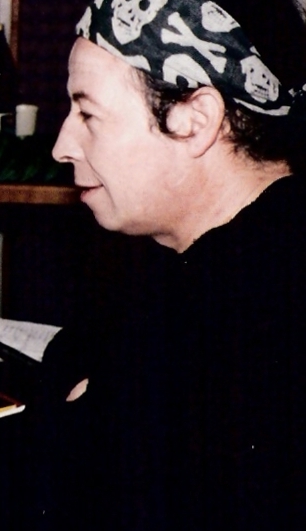
Career, public actions and recognition
Beyond books, Lemebel engaged in performance art and collaborative interventions. In the 1980s and 1990s he worked with avant-garde groups, staging provocative pieces that confronted dictatorship-era conservatism and drew attention to LGBT issues. He was shortlisted for Chile's National Literature Prize in 2014, an acknowledgment of his cultural impact and influence on contemporary Chilean letters.
Style, themes and influence
- Use of the crónica form to blend reportage, personal testimony and literary flourish.
- Direct engagement with politics, especially critiques of authoritarianism and social exclusion.
- Celebration of popular speech, urban textures and queer identity as sources of aesthetic power.
- Interdisciplinary work spanning writing, visual and performance art.
Lemebel's life and work remain reference points in discussions of LGBTQ visibility and cultural dissent in Latin America. His public persona and literary output expanded the possibilities for queer narratives in Spanish-language literature and inspired subsequent generations of writers and artists. He died of laryngeal cancer on 23 January 2015 at age 62.
For further reading on his life and texts, consult available biographies and collections of his chronicles and essays. Scholarly and popular discussions often place Lemebel among the most influential Chilean cultural figures of his era, notable both for artistic innovation and civic provocation. See also entries on Chilean literature and Latin American queer writing for broader context.
Related resources: Chilean literary context, essay and chronicling traditions, and archival materials linked through institutional collections and retrospectives.
Related articles
Author
AlegsaOnline.com Pedro Lemebel — Chilean essayist, chronicler and cultural activist Leandro Alegsa
URL: https://en.alegsaonline.com/art/75421
Sources
- latercera.com : "Muere el escritor nacional Pedro Lemebel a los 62 años"