
Pedro Calderón de la Barca
Spanish Golden Age dramatist (1600–1681), renowned for La vida es sueño, religious autos sacramentales, and baroque theatrical poetry exploring honor, fate, and illusion.
Overview
Pedro Calderón de la Barca (1600–1681) was one of the leading playwrights of the Spanish Golden Age. He is especially remembered for his philosophically charged dramas and for developing the auto sacramental, a short allegorical drama performed in connection with religious festivals. Calderón's work combines complex metaphysical themes with the theatrical demands of the seventeenth-century Spanish stage.
Image gallery
7 Images


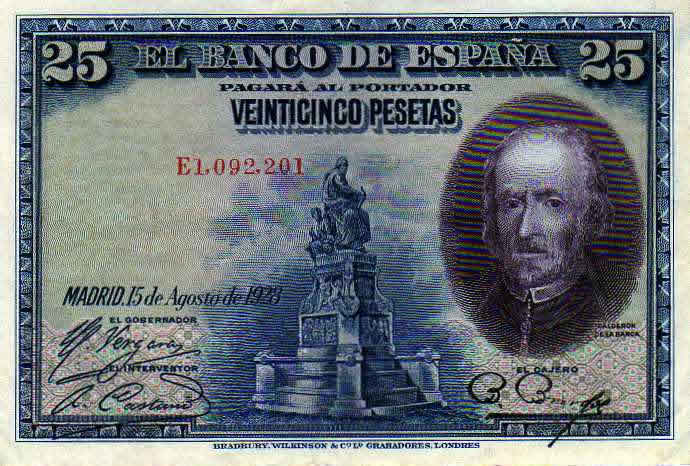

Life and education
Born in Madrid on January 17, 1600, Calderón received a Jesuit education at the Colegio Imperial and later studied law at Salamanca. He came from a family involved in public administration, and his early formation blended scholastic learning, classical literature, and a familiarity with court life. Those influences shaped the moral and intellectual concerns that appear throughout his plays.
Major works and forms
Calderón wrote for both court theaters and public playhouses. His best-known secular dramas include La vida es sueño (Life Is a Dream), which examines freedom, fate, and the nature of reality, and El alcalde de Zalamea (The Mayor of Zalamea), which explores honor and justice in a provincial setting. In the religious sphere he produced a substantial body of autos sacramentales, pageant-like allegories that dramatize theological themes tied to the Eucharist.
Style and themes
Characteristically baroque, Calderón's poetry is marked by rhetorical density, symbolic imagery, and philosophical reflection. Common themes include honor, illusion versus reality, divine providence, and human responsibility. His stagecraft often uses spectacle and ritualized action to reinforce moral or theological points, while dialogue and verse create psychological depth for central figures.
Historical importance and legacy
Calderón consolidated and extended the dramatic innovations of predecessors such as Lope de Vega, bringing a more introspective and metaphysical tone to Spanish theater. His influence persisted in Spanish literature and drama, and several of his plays remain in the repertoire for their philosophical interest and dramatic power. Modern scholarship studies his work for its artistry and its insights into seventeenth-century Spanish religious and social values.
Further reading and resources
Related articles
Author
AlegsaOnline.com Pedro Calderón de la Barca Leandro Alegsa
URL: https://en.alegsaonline.com/art/75417