
Payphone
A payphone is a public-access telephone that requires payment to place calls. Once ubiquitous in public spaces, payphones declined with mobile phones but still serve emergencies, accessibility and specialised uses.
A payphone is a public-access telephone that requires payment before or during a call. It provides a means for people without a private telephone to make voice calls from streets, transit hubs, airports and other public locations. The basic function is to connect a caller to the public switched telephone network via a device that records payment or verifies prepayment before the call is completed. For a general definition see telephone.
Image gallery
10 Images

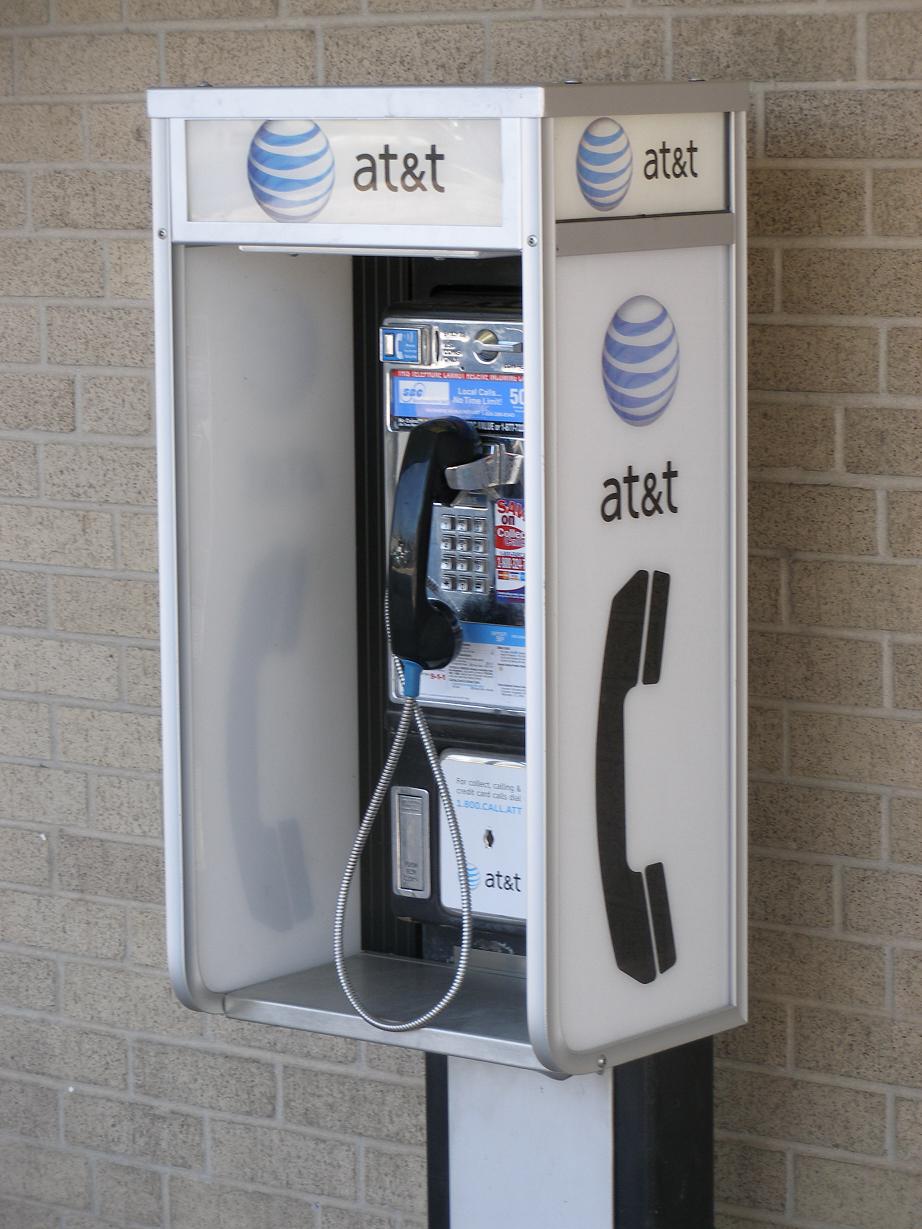


Design and components
Typical payphone hardware includes a handset, cradle, dialing interface (rotary dial or push-button keypad), a payment mechanism, coin return, and an internal connection to the telephone exchange. The housing is normally made to resist weather and vandalism and may include a small booth or windscreen for privacy. Modernized units can incorporate a card reader, a small display, and circuitry to handle digital billing and network interfaces. Common physical features are durable materials, tamper-resistant fastenings, and clear instructions for rates and emergency dialing.
Payment methods and operation
Historically most payphones were coin-operated, but many later models accepted a variety of payment options. These include coins (coin mechanisms), telephone or prepaid cards, and electronic payments such as credit and debit cards (credit cards, debit cards). In some systems, calls to emergency services are free and do not require payment. The typical call process is: insert coins or present a card, lift the handset, dial the number, and either the call proceeds or additional payment is requested for longer connections.
History, peak use and decline
Payphones expanded widely during the 20th century as a public utility enabling communication away from home. Their presence was especially strong in urban centres, railway stations and public buildings. With the rapid adoption of mobile phones at the end of the 20th century and into the 21st, use of payphones declined sharply. The rise of mobile telephony and changes in consumer habits are the principal factors in this change, and many payphones were removed from streets and replaced by other infrastructure.
Persistent roles and regulation
Although much reduced in number, payphones continue to serve several important roles. They provide telephone access for people who do not own a personal mobile device, offer a backup during mobile network outages, and provide a point of contact in emergencies. In some countries or regions, telecommunications regulators require operators to maintain a minimum payphone network for accessibility, safety and universal service reasons. Public-safety officials and community groups sometimes advocate preserving or relocating payphones to meet these needs.
Variations, repurposing and cultural significance
Payphone installations vary from wall-mounted units to enclosed booths and decorative kiosks. As demand fell, some decommissioned booths were repurposed for other public services: Wi‑Fi hotspots, charging stations, information points or even small libraries and art projects. Payphones and booths also occupy a place in literature, film and collective memory as symbols of urban life and public infrastructure. The image of a person using a booth often evokes a particular era of communication.
Maintenance, security and access
Operators face ongoing costs for maintenance, repairs and protection against vandalism and theft. Because payphones serve diverse populations, accessibility features such as wheelchair access and tactile buttons are sometimes included or required. In remote or disaster-prone areas, payphones may be designed to remain functional when other local networks fail. For more on the competitive and technological context surrounding payphones and handsets see mobile phones.
Where they are found
- Public streets and town centres.
- Transport hubs: train and bus stations, ports and airports.
- Institutions: hospitals, courthouses and large public buildings.
- Rural or remote areas with limited mobile coverage.
Further technical and historical information can be explored through general telecommunications references and industry resources, including discussions of telephony, payment systems such as coin mechanisms and card payment, broader electronic payment topics (electronic payment) and the effects of mobile competition on public telephony.
Related articles
Author
AlegsaOnline.com Payphone Leandro Alegsa
URL: https://en.alegsaonline.com/art/75294