
Australopithecus bahrelghazali: the Chad hominin 'Abel' and its significance
Australopithecus bahrelghazali is a fossil hominin known from a partial jaw found in Chad, dated to about 3.6 million years ago. Its features and location prompted debate about early hominin range and taxonomy.
Overview
Australopithecus bahrelghazali is a Pliocene hominin known from limited remains discovered in central Africa. The specimen, commonly called "Abel," consists primarily of a partial lower jaw with teeth. It was announced in the 1990s and attracted attention because it came from an area far west of the East African sites that supply most australopithecine material. The find is usually described in the literature as a fossil representative of an australopithecine hominin and has been dated to the mid-Pliocene.
Image gallery
5 Images


Discovery and dating
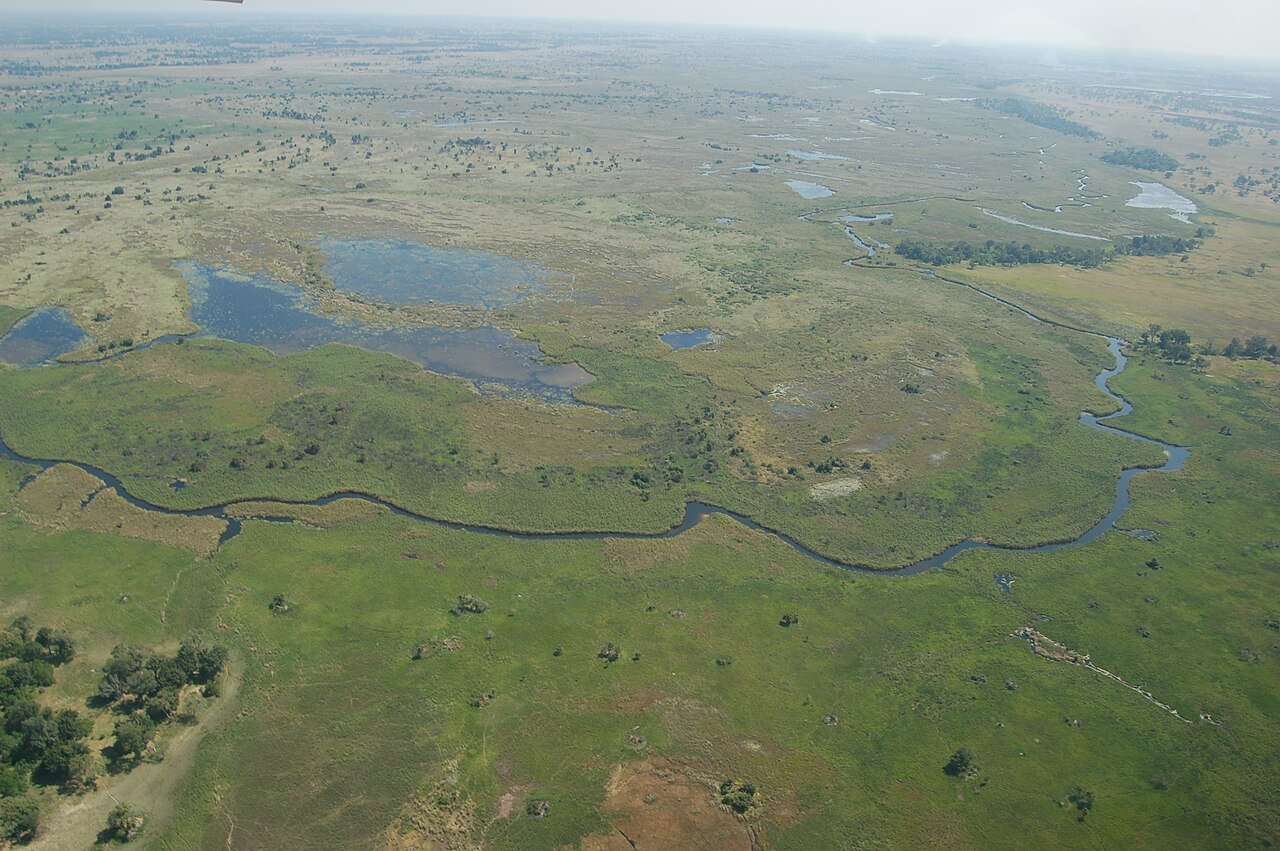
The specimen was discovered in 1995 during surveys in the Bahr el Ghazal region near Koro Toro in Chad. Fieldwork there extended the known geographic range of early hominins beyond the Rift Valley. Dating of the sediments associated with the specimen employed beryllium isotope techniques, giving an age estimate of roughly 3.6 million years. This radiometric approach has been reported in primary publications as a means to place the remains in the Pliocene time frame rather than the later Pleistocene.
Anatomy and classification
The preserved material is limited, so anatomical conclusions are cautious. The jaw (mandible) and its dentition show affinities with other australopithecines in overall size and dental pattern, but some researchers emphasized subtle differences in tooth shape and jaw proportions. Those differences led to the proposal of a distinct species name, Australopithecus bahrelghazali, while other specialists argue the variation falls within the range of known species such as Australopithecus afarensis. The fragmentary nature of the specimen means classification remains debated.
Significance and implications
The most important consequence of the find was biogeographic: it demonstrated that hominins were present in parts of central Africa during the Pliocene, not just in eastern and southern Africa. That expanded the picture of early hominin habitats and dispersal. Some paleoanthropologists interpret the Chad specimen as evidence that populations with australopithecine-like anatomy occupied woodlands and riverine environments across broader regions.
Debate and current perspective
Discussion continues about whether Abel represents a separate species or a regional variant. Critics point out the small sample size and urge caution, noting that single specimens are hard to assign definitively. Proponents highlight the combination of morphological traits and the remote locality as reasons to treat it as distinct. Ongoing fieldwork and new discoveries could clarify the status of Australopithecus bahrelghazali and refine our understanding of early hominin diversity.
Further reading and resources
- Original discovery reports and subsequent analyses: see summaries linked through research portals such as Chad fieldwork summaries.
- Dating and geochronology methods used for the site, including discussions of Pliocene chronologies and beryllium isotope techniques.
- Taxonomic debates and comparative anatomy overviews are available from specialist reviews and paleontology databases: species discussions.
Related articles
Author
AlegsaOnline.com Australopithecus bahrelghazali: the Chad hominin 'Abel' and its significance Leandro Alegsa
URL: https://en.alegsaonline.com/art/7526