
Paul Kruger (1825–1904), Boer leader and president of the South African Republic
Stephanus Johannes Paulus Kruger, known as Paul Kruger, was a Boer statesman and long-serving president of the South African Republic, remembered for leadership during the Boer resistance to British imperial pressure.
Overview
Stephanus Johannes Paulus Kruger (10 October 1825 – 14 July 1904) was a central political and symbolic figure among Afrikaner settlers in southern Africa. Elected president of the South African Republic, he led a government that sought to preserve Boer republican institutions as the region underwent rapid economic and social change. Widely known as "Oom Paul," Kruger combined conservative Calvinist beliefs, rural origins and a skill for political organization.
Image gallery
10 Images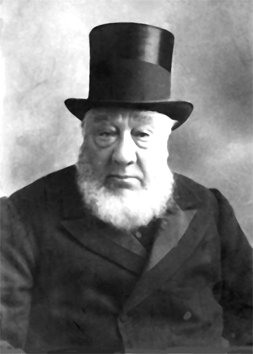




Early life and rise
Born to a farming family of Dutch‑derived Afrikaners, Kruger served in local commandos, worked as a field cornet and magistrate, and rose through local politics in a society shaped by migration, frontier conflict and competition with British imperial interests. He was prominent in the resistance that ended British annexation after the First Boer War (1880–1881) and helped restore republican self‑government.
Presidency and politics
Kruger served multiple terms from the 1880s into 1900. His presidency coincided with the discovery of major gold deposits on the Witwatersrand, which accelerated immigration, stimulated economic growth and created tensions between the Boer government and foreign workers and investors known as Uitlanders. Kruger defended the republic's franchise rules and pastoral interests while attempting diplomatic outreach to European powers. Episodes such as the Jameson Raid heightened international attention and domestic insecurity.
Conflict and the Second Boer War
Tensions with Britain over control, rights of foreigners and strategic interests culminated in the Second Boer War (1899–1902). Kruger was the political head of the Boer cause, though military operations were largely conducted by a network of commando leaders. As British forces advanced, Kruger left the republic and traveled to Europe to seek support and recognition; his foreign tour raised his international profile but failed to secure effective intervention.
Exile, death and memorials
Kruger spent his remaining years in exile and died in Europe in 1904. His name became a rallying symbol for many Afrikaners and later an element of South African national memory. Places and institutions—most prominently Kruger National Park—bear his name, and monuments to him were erected both within southern Africa and abroad. At the same time, historians note that his administration defended the privileges of white farmers and sustained policies that marginalized indigenous African people and other non‑Boer residents.
Assessment and legacy
Assessments of Kruger are complex and contested. Supporters emphasize his defense of republican independence and his role in forging Afrikaner solidarity. Critics stress conservative social policies and racial exclusions that reflected and reinforced inequalities of the era. His career illustrates broader themes of 19th‑century southern African history: the effects of mineral wealth, imperial rivalry, competing sovereignty claims and the origins of modern Afrikaner nationalism.
Notable facts
- Popularly known as "Oom Paul" (Uncle Paul) among supporters.
- His international prominence grew after incidents such as the Jameson Raid and other diplomatic crises.
- Monuments and place names commemorating Kruger reflect a long and contested remembrance in South African public life.
- He remains a subject of study in works on the Boer Wars, colonial governance and the formation of 20th‑century South Africa.
For introductory surveys and primary documents on the period, see general histories of 19th‑century South Africa and collections concerning Boer republican institutions. Further reading should balance contemporary accounts with later scholarship that situates Kruger within changing historical interpretations.
Contextual links: the leadership office he held is often described simply as president; the polity he led is commonly named the South African Republic; his followers are identified as the Boers; and the larger conflict of 1899–1902 is the Second Boer War.
Related articles
Author
AlegsaOnline.com Paul Kruger (1825–1904), Boer leader and president of the South African Republic Leandro Alegsa
URL: https://en.alegsaonline.com/art/75146