
Paul Dukas (1865–1935): French composer and teacher
Paul Dukas was a French composer and influential teacher known for meticulous craftsmanship, orchestral color, and works such as The Sorcerer's Apprentice and the ballet La Péri.
Paul Abraham Dukas (October 1, 1865 – May 17, 1935) was a French composer and educator whose relatively small output exerted an outsized influence on French music around the turn of the 20th century. Dukas combined rigorous classical forms with vivid orchestration and a careful, exacting approach to composition. His name is widely recognized beyond concert halls because of a single orchestral piece that entered popular culture.
Among his best-known works is the tone poem L'apprenti sorcier (The Sorcerer's Apprentice), which later reached an enormous audience through its appearance in Disney's film Fantasia. Other surviving pieces include a Symphony in C, the opera Ariane et Barbe-bleue, and the ballet La Péri. Dukas wrote chamber and piano music as well, but he also destroyed or refused to publish a large number of early works, leaving a deliberately compact catalogue prized for its refinement.
Image gallery
5 Images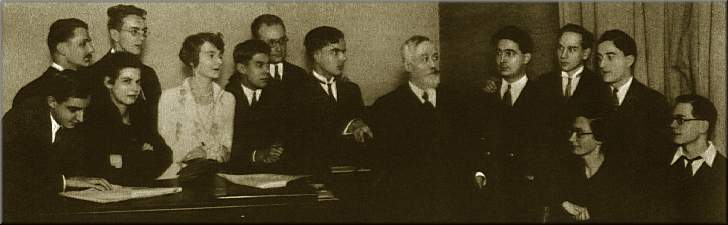


Style and craft
Dukas was admired for his mastery of orchestral color, a precise sense of form, and a harmonic language that bridged late Romanticism and early modern tendencies. Critics and contemporaries noted his fastidious revision process; he frequently revised pieces and was known to suppress compositions he felt were imperfect. This pursuit of perfection shaped his reputation as both a demanding artist and a teacher.
Career and teaching
Active as a critic, examiner, and instructor, Dukas played a significant part in Paris musical life. He taught and mentored younger musicians and served on the faculty and committees of institutions such as the Paris Conservatoire, influencing standards of composition and orchestral technique. His role as a teacher complemented his work as a composer and as an advocate for musical excellence across France (Conservatoire and public institutions).
Legacy and selected works
- L'apprenti sorcier (The Sorcerer's Apprentice) – tone poem
- Symphony in C
- Ariane et Barbe-bleue – opera
- La Péri – ballet-pantomime
- Piano and chamber pieces, various orchestral works
Dukas's modest but carefully wrought output remains valued for its craftsmanship, orchestral imagination, and the high standards it helped uphold in French musical education and performance practice.
Related articles
Author
AlegsaOnline.com Paul Dukas (1865–1935): French composer and teacher Leandro Alegsa
URL: https://en.alegsaonline.com/art/75121
Sources
- music.vt.edu : "Paul Dukas"
- classical.net : "Paul Dukas"