
Pattali Makkal Katchi (PMK)
Pattali Makkal Katchi (PMK) is a regional political party in Tamil Nadu, India, founded in 1989 by Dr. S. Ramadoss. It is known for its advocacy for the Vanniyar community, social justice and coalition politics.
Overview
Pattali Makkal Katchi (PMK) is a regional political party based in the northern districts of Tamil Nadu, India. Founded on 16 July 1989 by Dr. S. Ramadoss, the PMK describes itself as a socio-democratic organisation focused on social justice, rural welfare and greater political representation for communities it represents. It has been a significant player in state politics through both electoral contests and street-level mobilization.
Image gallery
8 Images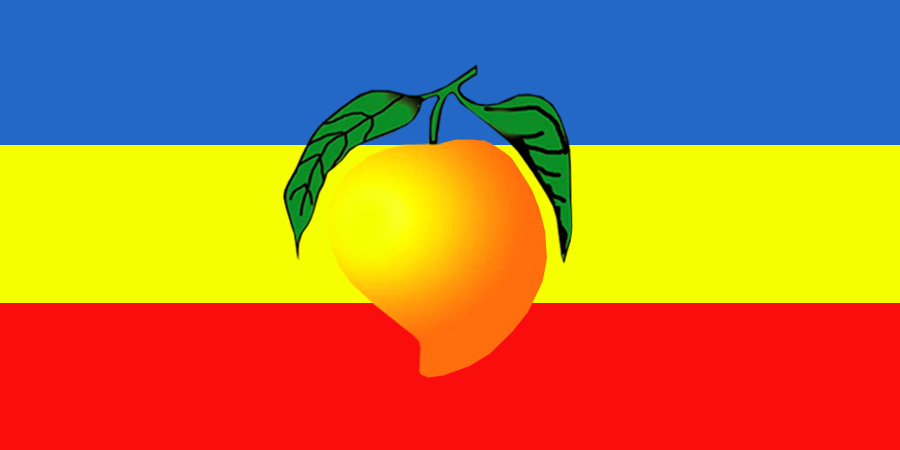




Origins and development
PMK grew out of a larger social movement organised by the Vanniyar Sangam, which campaigned for caste-based reservations and economic opportunities for the Vanniyar community in the 1980s. Over time it formalised into a political party to contest local, state and national elections. The party has alternated between independent runs and alliances with larger state and national formations to maximise its influence.
Structure and support base
The party's leadership has included its founder Dr. S. Ramadoss and his son Anbumani Ramadoss, who served as a Union Minister of Health and Family Welfare. PMK's core support is concentrated in rural and semi-urban areas of northern Tamil Nadu, drawing primarily from the Vanniyar community but also from other groups sympathetic to its agenda. It maintains organisational units at district and constituency levels and operates youth and local wings to mobilise voters.
Electoral alliances and role in politics
PMK has taken part in several pre-poll coalitions. It has allied with both national and state parties at different times, notably joining the Bharatiya Janata Party-led National Democratic Alliance in the 2014 Lok Sabha elections. In that contest Anbumani Ramadoss won the Dharmapuri parliamentary seat, reflecting the party's ability to secure representation through strategic partnerships. PMK's shifting alliances illustrate its pragmatic approach to advancing regional priorities within broader coalitions.
Policies and public profile
PMK's platform emphasises reservation policies, rural development, public health and education, and measures it frames as combating social injustice. Its interventions often centre on targeted welfare schemes and demands for increased state attention to historically underrepresented communities. At times the party's activism and protests have generated controversy, a common feature of regional parties that mobilise around identity and resource claims.
Key facts and notable points
- Founded: 16 July 1989 by Dr. S. Ramadoss.
- Notable leaders: Dr. S. Ramadoss; Anbumani Ramadoss (former Union Health Minister).
- Electoral strategy: regional base plus periodic alliances with larger parties such as the BJP for parliamentary influence.
As a regional party, PMK illustrates how community-based organisations transform into electoral forces that shape state politics through both grassroots mobilisation and participation in coalition governments.
Related articles
Author
AlegsaOnline.com Pattali Makkal Katchi (PMK) Leandro Alegsa
URL: https://en.alegsaonline.com/art/75077