
Austin (Chicago community area)
Austin is a large and diverse community area on Chicago's West Side. It blends dense residential neighborhoods, commercial corridors and challenges from disinvestment with ongoing local revitalization efforts.
Overview
Austin is one of the 77 official community areas of Chicago, located on the city's West Side. It is notable for its geographic size and large residential population compared with many other community areas. The neighborhood includes a mix of single-family blocks, multiunit buildings and business corridors that serve local residents.
Image gallery
9 Images
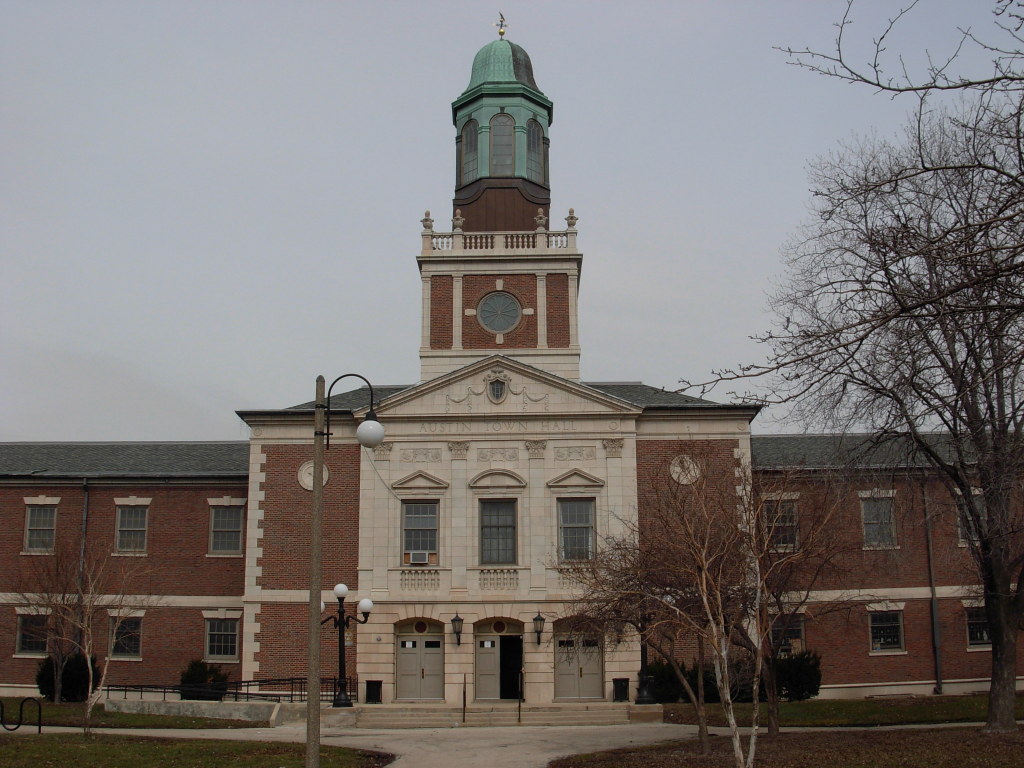


Geography and borders
Austin sits along the western edge of the city and touches several suburbs. To the northwest it meets Elmwood Park and it shares borders with the suburbs of Cicero and Oak Park. Within Chicago, Austin is part of the broader West Side region and connects to adjacent community areas via commercial streets and transit lines. For general orientation, many descriptions refer to Austin simply as a West Side neighborhood community.
Built environment and population
The area contains a variety of housing types, from early-20th-century bungalows and rowhouses to mid-century apartments. Commercial corridors provide groceries, restaurants and small businesses that reflect the neighborhood's diversity. Demographically, Austin has long been home to a mix of ethnic and socioeconomic groups; in recent decades its population has included a large African American community alongside other residents.
History and development
Austin developed as part of Chicago's outward growth in the late 19th and early 20th centuries. Much of the initial expansion was tied to streetcar lines and rail service that made the West Side accessible to workers and families. Over time, parts of Austin were annexed into the city and built up with residential subdivisions and commercial nodes that remain important today.
Transport, services and economy
Residents rely on a combination of city transit, regional rail, buses and major streets for commuting and errands. Local institutions—schools, community centers and small businesses—anchor daily life. Like many large urban community areas, Austin contains a mix of stable blocks and commercial stretches that serve both local needs and transit users.
Community life, challenges and renewal
Austin faces challenges common to many urban neighborhoods, including periods of disinvestment, vacancy and economic strain in parts of the area. At the same time, neighborhood groups, faith-based organizations and civic partners work on crime prevention, housing preservation and economic development. Efforts to stabilize and revitalize commercial corridors, preserve historic homes and expand local services continue to shape the community's future.
Tags
Related articles
Author
AlegsaOnline.com Austin (Chicago community area) Leandro Alegsa
URL: https://en.alegsaonline.com/art/7438
Sources
- books.google.com : The Chicago 77: A Community Area Handbook