
Amsterdam, New York
City in Montgomery County, New York, on the Mohawk River. Historically an industrial center with Dutch roots, now a small regional city with riverfront neighborhoods and community revitalization efforts.
Amsterdam is a small city in Montgomery County, within the state of New York in the United States. It had a population of 18,620 at the 2010 census. The city's name reflects early Dutch influence and reference to Amsterdam, the Netherlands. Located in the Mohawk Valley, Amsterdam occupies both banks of the Mohawk River and serves as a local service and manufacturing center for the surrounding rural region.
Image gallery
10 Images


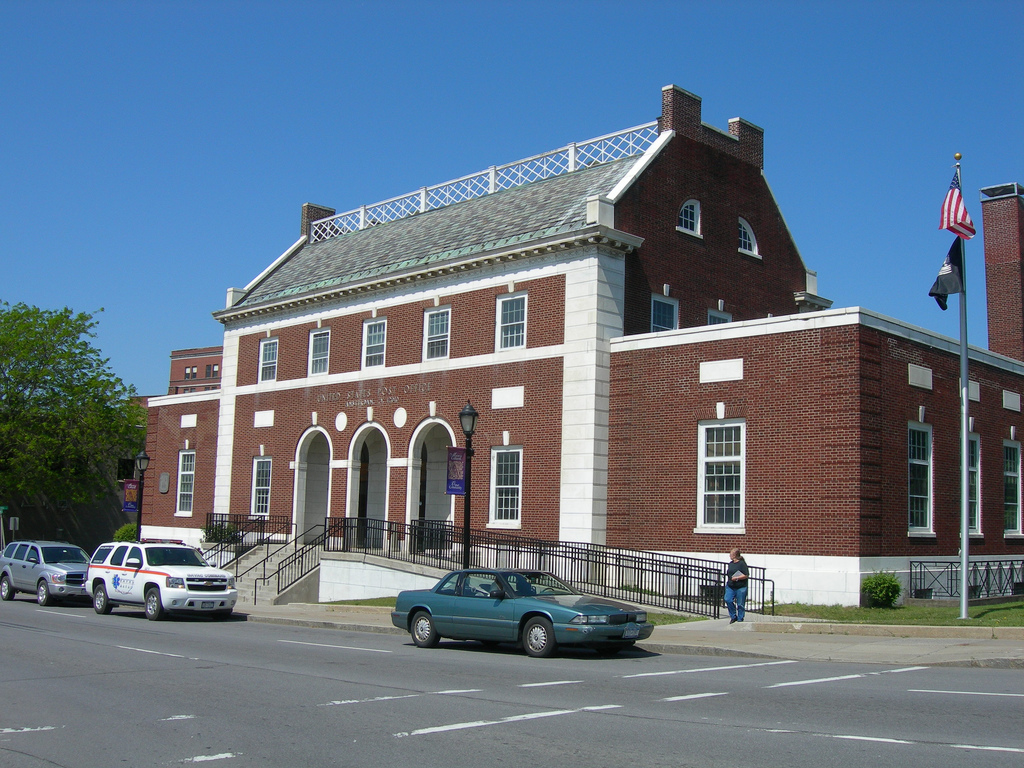

Geography and neighborhoods
The municipal boundaries of the city are largely surrounded on three sides—north, east and west—by the separate Town of Amsterdam. The urban area developed on both sides of the Mohawk River, with the greater share of residential and commercial areas on the north bank. The Port Jackson area on the river's south side is within the city limits and illustrates the city's river-oriented layout. Major regional roads, including a nearby corridor of the New York State Thruway (I-90), provide connections to larger cities in the region, and the river and historic canal alignments have shaped local industry and transport.
History and development
Amsterdam grew from 18th‑ and 19th‑century settlement in the Mohawk Valley and expanded rapidly as waterpower, canals and later railroads supported mills and factories. During the 19th and early 20th centuries the city developed a strong manufacturing base, particularly in textiles and related industries, which shaped its neighborhoods and built environment. Like many small industrial cities in the northeastern United States, Amsterdam experienced economic restructuring and population shifts in the mid to late 20th century, followed by local efforts at historic preservation and economic diversification.
Today the city retains several examples of 19th‑ and early 20th‑century architecture and industrial buildings; some have been adaptively reused for housing, small businesses and community uses. Public investment and civic initiatives have focused on riverfront access, downtown revitalization and maintaining neighborhood services.
Economy, transport and culture
- Economy: a mix of remaining light manufacturing, retail, education and local services.
- Transport: regional highways and freight rail links support commerce; proximity to the I‑90 corridor aids commuting and goods movement.
- Community life: local festivals, historic districts and recreational access to the Mohawk River contribute to civic identity.
For more information about the city's civic institutions, history and current initiatives, consult municipal resources and local historical organizations. A useful starting point for official and historical information can be found through county and state reference materials on regional history.
Tags
Related articles
Author
AlegsaOnline.com Amsterdam, New York Leandro Alegsa
URL: https://en.alegsaonline.com/art/3679
Sources
- www2.census.gov : "2016 U.S. Gazetteer Files"