
Parapsychology: study of reported psychic phenomena, research, and debate
Parapsychology examines reported psychic or anomalous experiences — such as ESP, psychokinesis, apparitions and near-death phenomena — and the scientific, historical and cultural debates around them.
Overview
Parapsychology is the field that investigates reports of information transfer or influence that proponents say occur outside the usual sensory channels and known physical mechanisms. It addresses claims about extrasensory perception, mental influence on physical systems, apparitions and other anomalous experiences reported across cultures. Some writers describe these phenomena collectively as paranormal or "psi" phenomena.
Image gallery
10 Images

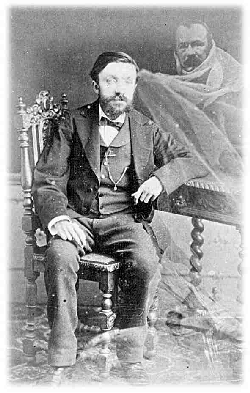
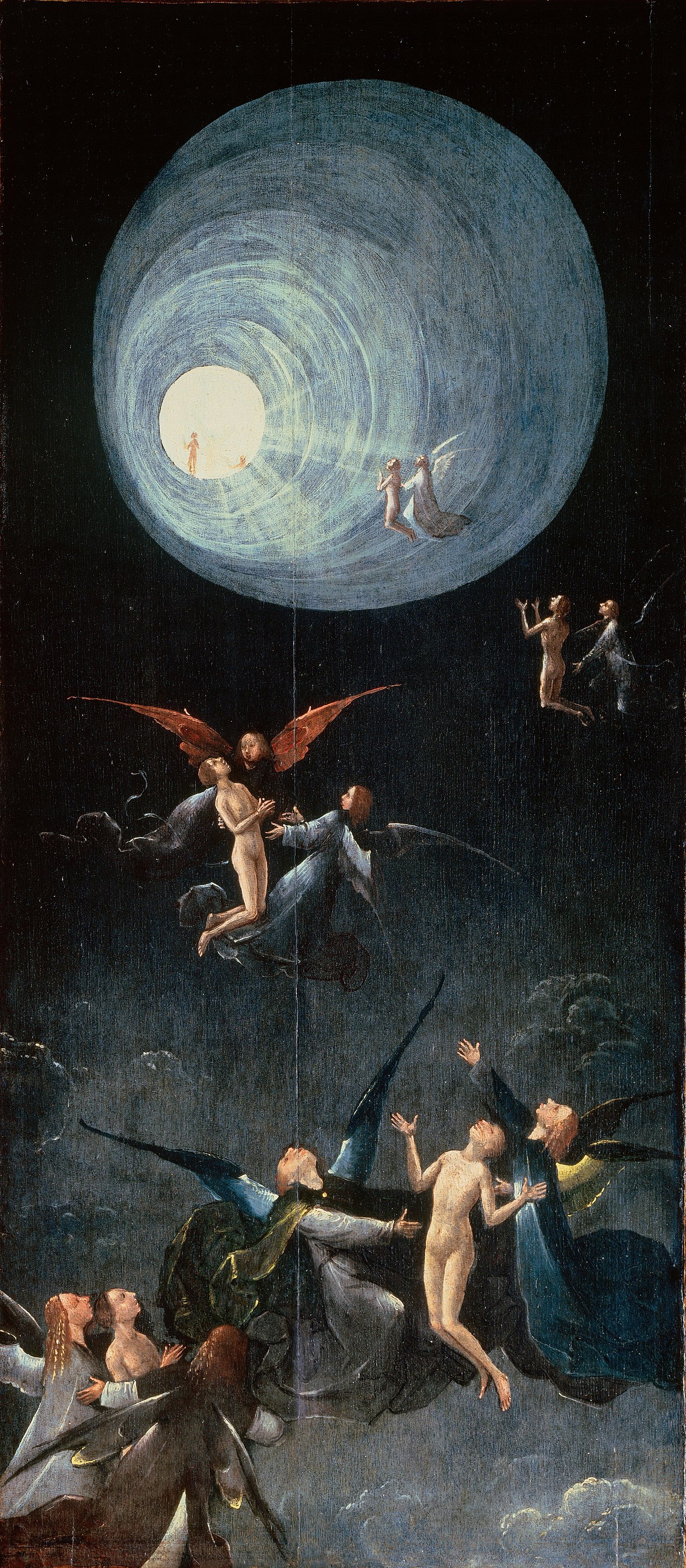

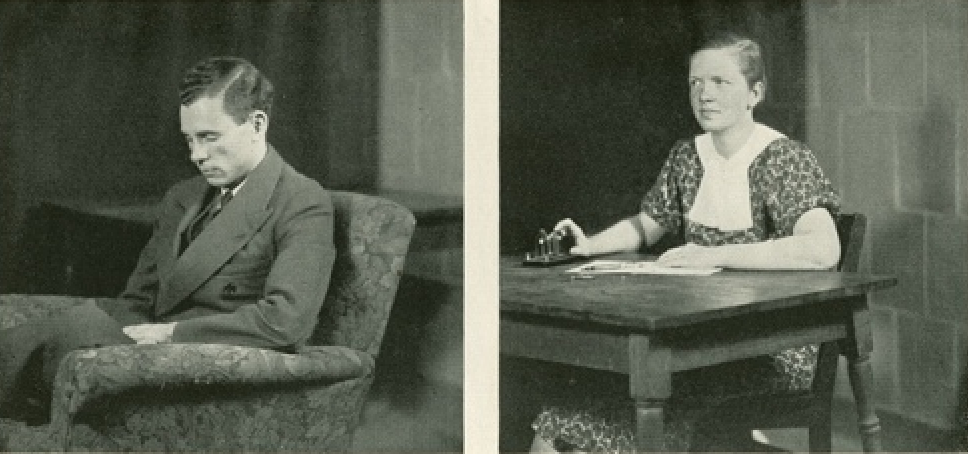


Typical phenomena studied
- Extrasensory perception (ESP) — alleged reception of information without use of the five senses, including telepathy between people.
- Psychokinesis (PK) — claimed influence of the mind on matter, often studied under the name psychokinesis or micro-PK.
- Anomalous experiences — events such as past life experiences, near-death experiences, apparitions and other subjective episodes that participants regard as extraordinary.
Research methods and examples
Researchers in parapsychology have used laboratory experiments, statistical studies and case investigations. Controlled tests include forced-choice guessing tasks, card-guessing and electronic random-event generators, and sensory-reduction experiments such as the Ganzfeld procedure. Fieldwork examines reports of hauntings, mediumship and spontaneous psychic claims. Advocates often emphasize statistical anomalies found in meta-analyses; critics point to replication failures and methodological concerns.
History and development
The systematic study of such claims dates from the late 19th and early 20th centuries with organizations established to investigate spiritualist and anomalous reports. Early contributors from psychology and philosophy took an interest in mediumship and alleged psychic phenomena. During the 20th century, laboratory programmes and university-affiliated laboratories advanced experimental approaches, while others focused on case documentation and theory.
Reception, criticism and notable views
Parapsychology remains controversial. Mainstream science generally regards the field skeptically because reliable, repeatable evidence and a convincing mechanism consistent with established science have not been widely accepted. Critics cite methodological flaws, publication bias and the difficulty of reproducing headline claims. Still, some scientists and commentators — including well-known figures who have publicly urged open-minded study — argue for continued investigation of reported anomalies.
Cultural importance and distinctions
Regardless of scientific opinion, parapsychological topics have had substantial cultural impact: they appear in literature, film, religious discussion and popular beliefs. It is important to distinguish scientific parapsychology— which attempts controlled study — from occult, religious or entertainment practices that make metaphysical or faith-based claims. Readers encountering reports should weigh evidence, consider alternative explanations such as cognitive biases or fraud, and note the persistent gap between anecdote and reproducible experimental proof.
Further reading and resources often include both skeptical critiques and sympathetic summaries; for balanced inquiry consult academic reviews and well-documented case compilations.
See also: paranormal overview, sensory limits, telepathy studies, mind–matter debate, definitions of matter, psychokinesis experiments, past-life accounts, near-death research.
Questions and answers
Q: What is parapsychology?
A: Parapsychology is the study of psychic events.
Q: What kind of events does parapsychology study?
A: Parapsychology studies psychic events, which involve the exchange of information between a person and their environment, without the use of the five senses.
Q: What are some examples of psychic events studied by parapsychology?
A: Some examples of psychic events studied by parapsychology include extrasensory perception (such as telepathy), influence of mind on matter (psychokinesis), anomalous experiences (such as past life experiences and near death experiences) and apparitions.
Q: How long have psychic events been reported?
A: Psychic events have been reported for a very long time.
Q: What did Nobel laureate Brian Josephson say about the evidence for parapsychology and the paranormal?
A: Brian Josephson said that many scientists are not yet swayed by the evidence for parapsychology and the paranormal.
Q: Why do some scientists feel uncomfortable about ideas such as telepathy according to Brian Josephson?
A: According to Brian Josephson, some scientists feel uncomfortable about ideas such as telepathy, and their emotions sometimes get in the way when making evaluations.
Q: What was the year when Brian Josephson made his statement about the evidence for parapsychology and the paranormal?
A: Brian Josephson made his statement about the evidence for parapsychology and the paranormal in 2005.
Related articles
Author
AlegsaOnline.com Parapsychology: study of reported psychic phenomena, research, and debate Leandro Alegsa
URL: https://en.alegsaonline.com/art/74581
Sources
- books.google.com.au : Parapsychology in the twenty-first century: essays on the future of psychical research
- nature.com : The Believing Brain
- psiexp.ss.uci.edu : Judgement under Uncertainty: Heuristics and Biases