
Paracetamol (acetaminophen): uses, mechanism, safety and history
Paracetamol (acetaminophen) is a widely used analgesic and antipyretic for pain and fever. This article summarizes names, chemistry, mechanism, clinical uses, formulations, safety, overdose management and historical context.
Overview
Paracetamol, also known as acetaminophen in some countries, is a common over-the-counter analgesic and antipyretic used to relieve mild to moderate pain and to reduce fever. It is widely used for everyday conditions such as influenza and common colds and appears alone or in combination in many medicines.
Image gallery
10 Images





Name, chemistry and basic properties
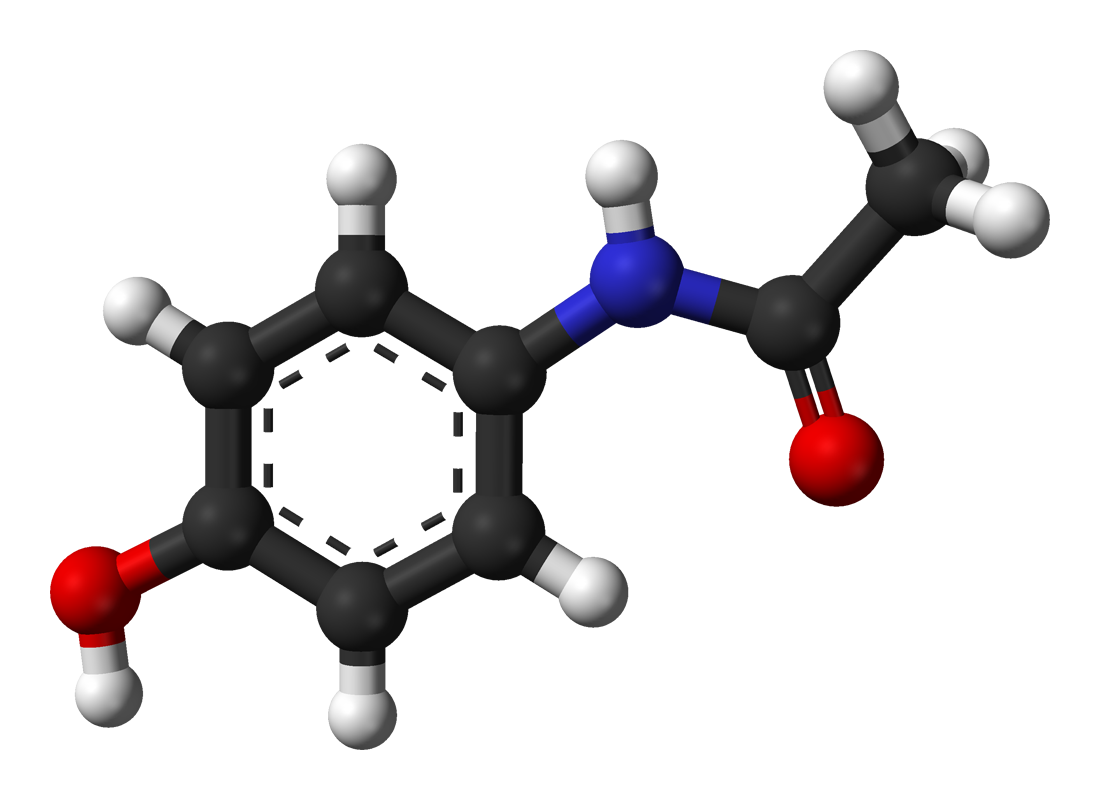
The names paracetamol and acetaminophen derive from the chemical N-acetyl-para-aminophenol (often abbreviated APAP). It is pharmacologically distinct from salicylates and nonsteroidal anti-inflammatory drugs such as salicylic acid and ibuprofen, although there is overlap in their clinical uses. Paracetamol has relatively little peripheral anti-inflammatory activity at usual doses compared with many NSAIDs.
Pharmacology and mechanism
Paracetamol acts mainly within the central nervous system, affecting pathways involved in pain perception and temperature regulation. In the liver it is metabolised principally by conjugation (to glucuronide and sulfate), while a smaller portion is oxidised by cytochrome enzymes to a reactive intermediate known as NAPQI. Under normal circumstances NAPQI is detoxified by glutathione; if this pathway is overwhelmed, as in overdose, the reactive metabolite can damage liver cells.
Onset and duration vary with formulation and route, but relief commonly begins within about 30–60 minutes after oral dosing and may last several hours. Paracetamol is available in multiple formulations, including tablets, liquids, suppositories and intravenous preparations used in hospital care.
Clinical uses and common formulations
Paracetamol is used for headaches, musculoskeletal pain, toothache, mild postoperative pain and for reducing fever. It is marketed as a single-ingredient product and as part of combination medicines for colds and flu, and is sometimes combined with opioids for stronger analgesia in prescription products. For guidance on specific preparations and regulatory status consult authoritative drug information and product labels.
Dosage, special populations and pregnancy
Recommended dosing varies by age, weight and regulatory region; caregivers and patients should follow product labeling or professional advice. In children, dosing is typically weight-based and formulations for paediatric use are widely available. Paracetamol is commonly recommended in pregnancy when analgesia or fever reduction is needed and when used at recommended doses, but pregnant people should consult their healthcare provider for personalised advice.
Safety, overdose and interactions
- Hepatotoxicity: The principal serious risk is dose-related liver injury following acute overdose or chronic excess use. Concomitant chronic alcohol use or medicines that induce liver enzymes can increase this risk.
- Antidote: N-acetylcysteine is an effective antidote if given in a timely manner after a significant overdose and is used widely in clinical practice.
- Drug interactions: Paracetamol may interact with other medicines; for example, regular high use can alter anticoagulant control in some patients taking drugs such as warfarin. Advice from a clinician or pharmacist is recommended when combining medicines.
- Allergic reactions and skin reactions: Serious skin reactions are uncommon but reported; any signs of severe cutaneous or allergic reaction require urgent evaluation.
Because many combination cold and flu preparations contain paracetamol, unintentional cumulative dosing is a common cause of excess intake; consumers should check labels carefully when taking multiple products.
Comparisons with other analgesics
Paracetamol is often chosen when NSAIDs (such as ibuprofen) are contraindicated or where an anti-inflammatory effect is not required. It lacks the antiplatelet effects of aspirin and generally causes less gastrointestinal irritation than many NSAIDs, which can make it preferable for some patients. Clinical choice depends on the type of pain, comorbidities and risk factors.
History and public health relevance
Paracetamol was first synthesised in the 19th century, with chemists such as Harmon Northrop Morse among the early investigators, and it became much more widely used in the mid-20th century. It appears on the World Health Organization’s List of Essential Medicines (since 1977), reflecting its importance in basic healthcare. Its adoption occurred alongside and in relation to other analgesics such as salicylates and ibuprofen.
For further information about therapeutic use, fever management and headache treatment consult respected clinical sources and national guidance (fever management, headache treatment, pain control, cold remedies, influenza). Historical and regulatory notes can be found in specialised references (historical notes, drug information).
When used as directed, paracetamol is an effective and generally safe option for relieving pain and reducing fever. Nonetheless, awareness of dosing limits, potential liver risks and the presence of the active ingredient in combination products is essential to safe use.
Questions and answers
Q: What is Paracetamol?
A: Paracetamol is a type of analgesic drug used to relieve pain, reduce fever, and treat some types of headaches.
Q: What is the chemical name of Paracetamol?
A: The chemical names of the compounds used in Paracetamol are N-acetyl-para-aminophenol and para-acetyl-amino-phenol.
Q: Why is Paracetamol sometimes referred to as APAP?
A: Paracetamol is sometimes referred to as APAP because it is shortened from its chemical name, N-acetyl-para-aminophenol.
Q: Who invented Paracetamol and when?
A: Paracetamol was invented by Harmon Northrop Morse in the year 1878.
Q: When did drugs made with Paracetamol become common?
A: Drugs made with Paracetamol became common in the 1950s.
Q: What other types of drugs are commonly used aside from Paracetamol?
A: Other types of drugs commonly used aside from Paracetamol are those containing salicylic acid or Ibuprofen.
Q: When was Paracetamol added to the List of Essential Medicines of the WHO?
A: Paracetamol was added to the List of Essential Medicines of the WHO in the year 1977.
Related articles
Author
AlegsaOnline.com Paracetamol (acetaminophen): uses, mechanism, safety and history Leandro Alegsa
URL: https://en.alegsaonline.com/art/74493
Sources
- pubmed.ncbi.nlm.nih.gov : 16317692
- ncbi.nlm.nih.gov : "Interrupted time-series analysis of regulations to reduce paracetamol (acetaminophen) poisoning"
- doi.org : 10.1371/journal.pmed.0040105
- pubmed.ncbi.nlm.nih.gov : 17407385
- pubmed.ncbi.nlm.nih.gov : 19169150