
Pankow (borough of Berlin)
Pankow is a borough in northeastern Berlin formed in 2001 from Pankow, Prenzlauer Berg and Weißensee. It combines residential neighborhoods, historical sites, and green spaces and played a role in East German political history.
Overview
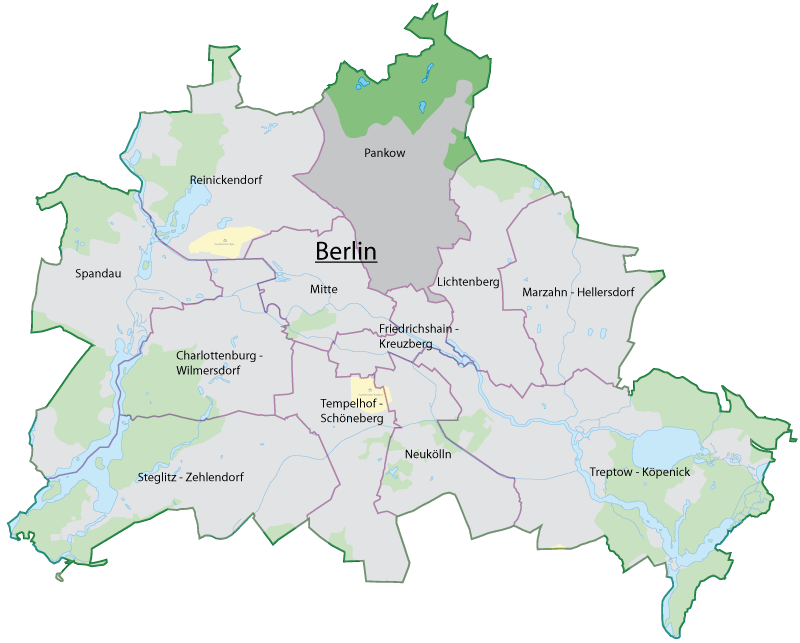
Pankow (pronounced [ˈpaŋkoː]) is a borough in the northeastern part of Berlin. The present borough was created in 2001 when the former borough of Pankow was merged with Prenzlauer Berg and Weißensee, forming one of the larger administrative districts of the city. It functions as a mixed urban area with residential quarters, parks and commercial streets. The borough is often described as combining quiet family neighborhoods with lively cultural districts.
Image gallery
6 Images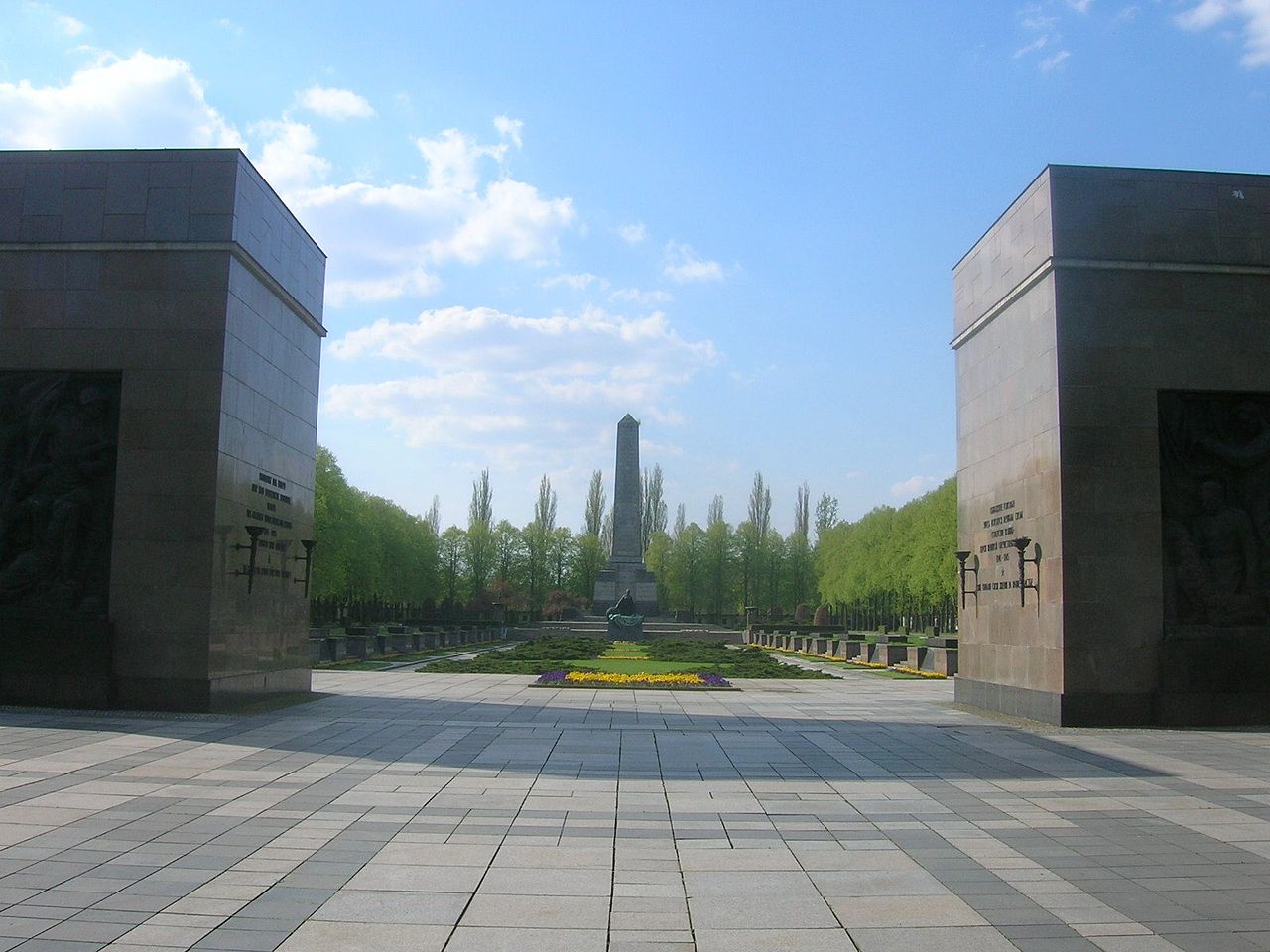


Geography and subdivisions
Pankow covers an area of about 103.07 km² (39.8 sq mi) and includes several distinct localities. Among the best-known are Prenzlauer Berg, with its cafés and renovated 19th-century buildings; Weißensee, noted for lakes and parks; and the traditional district of Pankow itself. Smaller residential and commercial quarters give the borough a varied urban texture and a mixture of building styles from prewar blocks to postwar development.
History
Pankow's history reflects Berlin's broader story of growth, upheaval and reunification. After World War II and during the early years of the German Democratic Republic, parts of Pankow—most notably the Majakowskiring area—were home to East Germany’s political leadership. In Western reporting the name "Pankow" was sometimes used as shorthand for the East German government. Since German reunification and the administrative reform of 2001, the merged borough has developed new civic institutions and preserved elements of its historic built environment.
Government and population
The borough has a population in the several-hundred-thousand range; estimates commonly cited put it around 347,100 inhabitants. Local government is led by a borough mayor and council, and the area contains municipal services, schools and cultural institutions. For information about the borough administration see the local borough page and the city of Berlin reference pages: borough information and Berlin. The office of the borough mayor has been held by representatives of different parties; a current reference lists Matthias Köhne with affiliation to the SPD in that context.
Notable sites and culture
Pankow contains a variety of cultural and religious landmarks. The Rykestrasse Synagogue in Prenzlauer Berg is often noted as one of Germany’s largest and most significant synagogues; it survived the turbulent 20th century and was restored to active use. Other attractions include local museums, theaters, parks and promenades. Neighborhoods such as Prenzlauer Berg host markets, independent shops and a vibrant café scene, while Weißensee offers notable green spaces and waterfront promenades.
Transport and role within Berlin
Well connected to central Berlin, Pankow benefits from tram, S-Bahn and U-Bahn links that support commuting and cultural exchange. Its position in the northeast of the city makes it a transitional zone between central urban districts and more suburban municipalities. The borough’s mix of historical association, everyday residential life and cultural amenities makes it a significant and diverse part of modern Berlin. For details on specific institutions and sites, consult municipal guides and the synagogue entry: Rykestrasse Synagogue.
Related articles
Author
AlegsaOnline.com Pankow (borough of Berlin) Leandro Alegsa
URL: https://en.alegsaonline.com/art/74377