
Pagolle (Pagola) — Commune in the French Basque Country
Pagolle (Basque: Pagola) is a small rural commune in the Pyrénées-Atlantiques department of southwestern France, rooted in Basque culture and traditional agriculture.
Overview
Pagolle (Basque: Pagola) is a commune located in the Pyrénées-Atlantiques department of southwestern France. Administratively part of the modern region of Nouvelle-Aquitaine, it sits within the cultural area often referred to as the French Basque Country. The settlement is small and predominantly rural, with an identity shaped by Basque language and customs.
Image gallery
1 Image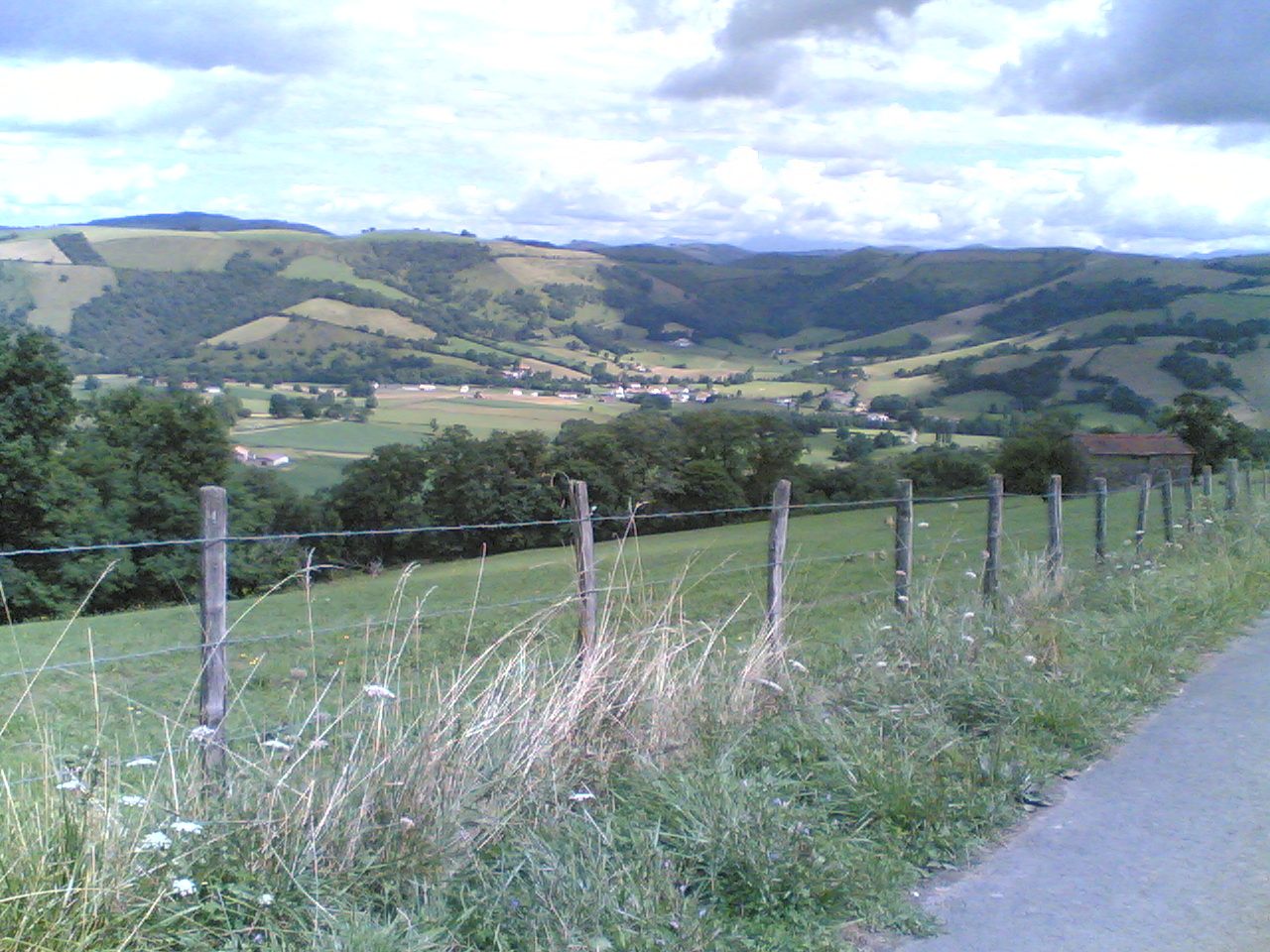
Geography and built environment
The landscape around Pagolle consists of rolling hills, pastures and small fields characteristic of the lower slopes of the Pyrenees. Local architecture commonly features traditional Basque houses: whitewashed facades, timber frames and colored shutters. A modest parish church and scattered hamlets form the built core of the commune.
History and administration
Pagolle lies within the historic province of Lower Navarre, an area with deep medieval roots in Basque history. Like other French communes, its present-day administrative status dates from reforms that followed the French Revolution. Today it is governed as a commune in the Pyrénées-Atlantiques département and contributes to intercommunal cooperation typical of rural France.
Economy and cultural life
The local economy is largely agricultural, focused on livestock and small-scale farming. Basque language and traditions remain visible: seasonal festivals, music, local cuisine and communal events mark the calendar. Visitors encounter artisanal practices, regional foods and a countryside lifestyle that has persisted despite modern pressures.
Notable facts and visiting
- Pagolle exemplifies rural Basque heritage within France, where language and customs are actively preserved.
- It is often of interest to those studying Basque culture, rural architecture, or traditional agriculture.
- Access is by local roads; nearby towns provide services and connections to larger transport networks.
While modest in size, Pagolle represents a living example of the interplay between local tradition and French administrative structures, making it a relevant point of reference for regional history and cultural studies.
Related articles
Author
AlegsaOnline.com Pagolle (Pagola) — Commune in the French Basque Country Leandro Alegsa
URL: https://en.alegsaonline.com/art/74003